

The plates that define Chișinău: what they are, where they came from, and where to eat the canonical version.
Signature dishes
-

Mămăligă cu brânză și smântână ★ 4.9
Moldova's national dish: a stiff cornmeal porridge cut with string and served with sheep's-milk brânză cheese and a spoonful of sour smântână on top.
Where to try it: La Taifas, Sălcioara
Price: 60 to 120 MDL
Cornmeal porridge replaced millet-flour porridge as Bessarabia's staple after corn arrived from Venice in the 17th century, untaxed by the Ottoman Empire and able to combat the famines of the era. The dish became the table's everyday base alongside brânză cheese and smântână sour cream, and is traditionally cut on a wooden board with a length of string rather than a knife. It is the dish that defines the Moldovan table from the village to the city restaurant.
Watch out for: Dairy
-
Plăcinte cu brânză ★ 4.9
Pan-baked thin pastry filled with fresh brânză cheese and dill: Moldova's street snack, weekend household ritual and bakery counter staple, sold by the slice everywhere.
Where to try it: La Plăcinte (Ștefan cel Mare 3), La Plăcinte (Hâncești 58), La Mamuca, Granier
Price: 15 to 40 MDL per slice
The word plăcinte comes from the Latin placenta, a flat cake, and traces back to Roman Dacia. From the 10th to the 12th century the Greek influence on Moldavian cuisine introduced fine puff and pulled-pastry techniques, which the Moldovan kitchen folded into a thin pan-fried pastry with seasonal fillings: brânză with dill in spring, sour cherries in summer, pumpkin in autumn, salted cabbage in winter. Each Moldovan region has its own plăcintă shape and crimp, and the chain La Plăcinte turned the home recipe into a sit-down restaurant category in the 2000s.
Watch out for: Gluten, Dairy, Egg
-
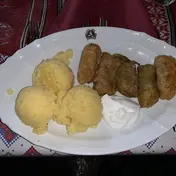
Sarmale ★ 4.9
Pork and rice rolls wrapped in cabbage or vine leaves and slow-baked: the centrepiece of Moldovan holiday tables and the wedding-week ritual dish across Bessarabia.
Where to try it: La Taifas, Sălcioara
Price: 120 to 220 MDL
Sarmale arrived in Bessarabia through the Ottoman Empire, where stuffed-leaf parcels (dolma) had been documented in Persian cookbooks by the early 1500s. The Moldovan version stuffs cabbage or vine leaves with seasoned pork and rice and braises them slowly in a cast-iron pot with smântână. They appear at almost every Moldovan family celebration and are a key dish on the post-wedding morning, served alongside zeamă to soak up the previous night's wine. Each household keeps a variation of the recipe and the smallest sarmale in the country, the size of a thumb, are rolled at Hanul lui Hanganu in Lalova.
Book food experiences in Chișinău
-
Zeamă ★ 4.9
Moldova's queen-of-the-kitchen chicken soup: a thin sour broth with homemade egg noodles, lovage and a finishing splash of fermented bran liquid or lemon juice.
Where to try it: La Taifas, Sălcioara, La Plăcinte (Hâncești 58)
Price: 80 to 150 MDL
Zeamă (also spelled zama) developed from Bessarabia's rural pantry of fermented grains and barnyard chickens. The sourness comes from fermented wheat-bran liquid called borș, sour grape juice or, in modern kitchens, lemon. The herb lovage gives zeamă its unmistakable celery-anise lift. Moldovan wedding custom names the day after the ceremony La Bors or La Zama, when a huge pot of zeamă is served before all other courses to revive the guests; the soup is reputed across Moldova to be the country's most reliable hangover cure.
Watch out for: Egg, Gluten
-
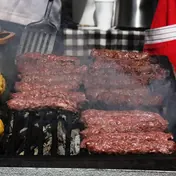
Mititei ★ 4.7
Grilled minced meat rolls, finger-sized and thumb-thick, seasoned with garlic, black pepper, thyme and a touch of baking soda for the springy bite that defines the dish.
Where to try it: Pegas Terrace & Restaurant, Sălcioara, Beer House, La Taifas
Price: 60 to 130 MDL for five
Mititei trace through the Balkans (Serbia, Greece and Turkey) into 19th-century Bucharest, where the dish is first documented in 1870 by Ulysse de Marsillac and named in 1872 by N. T. Orășanu. A popular Romanian legend credits Iordache Ionescu's tavern on Strada Covaci in Bucharest, where Uncle Iordache supposedly ran out of sausage casings and grilled the seasoned meat directly on the grates. The name means little ones, from Romanian mic, and the dish crossed the Prut into Bessarabia where it became the standard summer-grill order at Moldovan beer gardens. In Chișinău it lands on every grill from Pegas to the Beer Mania festival.
-
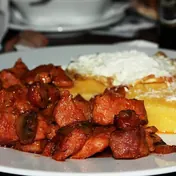
Tochitură moldovenească ★ 4.7
Cubed pork slow-cooked in its own fat with garlic, served over mămăligă with sheep's brânză on top and a fried egg, the rural-meets-restaurant Moldovan plate.
Where to try it: La Taifas, Sălcioara
Price: 150 to 280 MDL
Tochitură takes its name from the verb a topi, meaning to melt; the pork is cubed and rendered down slowly in a cast-iron pot until the fat clarifies and the meat braises in it. The dish originates in the historical principality of Moldavia and is shared across the Prut between Romania and Moldova. It is the classic restaurant version of a peasant make-do, designed to use up the cuts of a slaughtered pig before refrigeration, finished with the kitchen's eggs and the dairy from that morning's milk.
Watch out for: Dairy, Egg
-
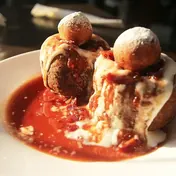
Papanași ★ 4.6
Donut-shaped fried cheese dough topped with sour cream and a crown of sour-cherry preserve: Moldova's restaurant dessert of choice, also served boiled in some homes.
Where to try it: La Taifas, Sălcioara, Pegas Terrace & Restaurant
Price: 80 to 140 MDL
Papanași arose in the rural Romanian and Moldovan countryside in the 19th century from peasant kitchens with abundant fresh cottage cheese. The name traces to the Latin pappa, an onomatopoeic word for soft food fed to children, which fits the soft cheese centre. The crown of cherry jam is a Bessarabian signature; sour cherries grow across the country and the country's cherry-liqueur tradition is the same fruit pressed differently. The dish is the standard close to a Moldovan restaurant meal.
Watch out for: Dairy, Egg, Gluten
-
Brânză cu smântână ★ 4.4
Crumbled sheep's-milk brânză cheese folded with sour smântână and a turn of pepper: the universal Moldovan starter and the table's most everyday plate.
Where to try it: La Taifas, Sălcioara
Price: 60 to 110 MDL
Sheep dairy has anchored Moldovan farming since the Dacian period, and brânză remains the country's most-eaten cheese. The pairing with smântână is older than any written record, surfacing in 19th-century travellers' accounts of Bessarabian villages as the standard first course of the day. The dish is also the Moldovan answer to a guest at the door: a quick plate that needs nothing from the larder beyond a pinch of salt, a turn of pepper and bread or mămăligă on the side.
Watch out for: Dairy
-
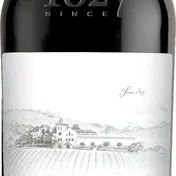
Negru de Purcari ★ 4.8
Moldova's most famous red wine: a Bordeaux-style blend of Cabernet Sauvignon, Saperavi and Rară Neagră from Purcari, served wide across Chișinău wine bars.
Where to try it: Carpe Diem Wine Shop & Bar, Invino Enoteca, Embargo, Symposium Restaurant & Wine Club
Price: 180 to 450 MDL by the glass; 800 to 2,200 MDL by the bottle
Negru de Purcari has been bottled at Château Purcari since 1827, the year Tsar Nicholas I issued a decree granting the estate the status of the first specialized winery in Bessarabia. At the 1878 Paris World Expo, French tasters mistook the dry red for a Bordeaux and awarded it a gold medal once the Moldovan origin was revealed. Queen Elizabeth II is the documented modern royal fan. The blend leads with Cabernet Sauvignon, with Saperavi from the Georgian tradition planted at Purcari and the indigenous Rara Neagra grape for length. It is the wine every Moldovan restaurant offers and the headline pour at Ziua Nationala a Vinului.
Watch out for: Sulphites

Signature Dishes in Chișinău, FAQ
What food is Chișinău known for?
Chișinău's signature dishes include Mămăligă cu brânză și smântână, Plăcinte cu brânză, Sarmale, Zeamă, Mititei. See our signature dishes chapter for where to eat each.