How Cologne came to eat the way it does: the people, migrations and accidents that shaped the plate.
Key eras
-
Roman Colonia (50 BCE - 475 CE)
Founded as Colonia Claudia Ara Agrippinensium, the city was a major Roman administrative centre with direct Rhine-based trade in wine, olive oil and spices. Roman viticultural influence planted the seeds of the Rhineland wine culture that persists today. Archaeological finds include Roman wine amphorae from Gaul and Hispania and evidence of imported fish sauce production.
-
Medieval Cathedral City (900-1500)
By the 12th century, Cologne was one of Europe's wealthiest cities. The Brauhäuser tradition emerged in the 13th century, with monastery brewers producing dark top-fermented ales. The Cathedral construction workforce (1248-1880) created a sustained demand for bread, ale and market food. Guild-regulated baking and butchery established professional food trades that still characterise the city.
-
Kölsch Invention (19th century)
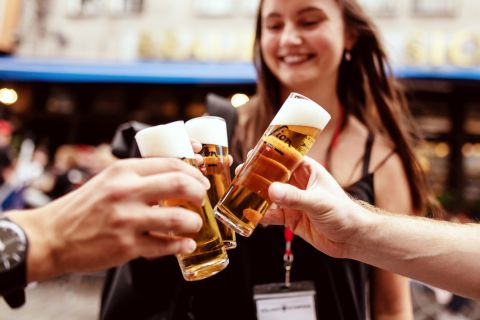
The pale, clean Kölsch style developed in the mid-19th century as Cologne brewers adapted to the new bottom-fermented lager trend by creating a lighter top-fermented alternative using cold conditioning. The Kölsch Konvention of 1986 codified the style and protected the name geographically, allowing only Cologne-area breweries to use the designation.
Taste it todayKölsch -
Post-war Brauhaus Renaissance (1950s-70s)
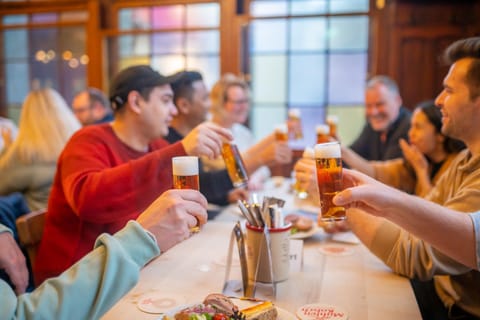
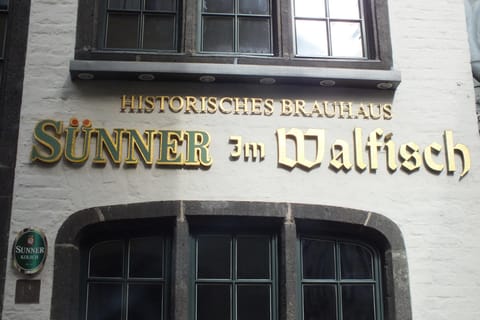
The rebuilding of Cologne after World War II destruction revived and protected the Brauhaus culture. The surviving historic Brauhäuser including Paeffgen, Sion and Malzmühle became civic institutions. The kobes (waiter) tradition and the small 0.2L Kölsch glass service were re-established as defining markers of Cologne identity.
Taste it todayKölsch Book now
Taste this chapter
Cologne & Kölsch Live: Brewery Tour with a Master Brewer, Kölsch, Culture & Insights
-
International Restaurant Wave (1980s-2000s)
The Belgian Quarter's transformation into Cologne's cosmopolitan eating district began in the 1980s with the arrival of Burmese, Tibetan and Asian kitchens. The neighbourhood's independent character attracted restaurateurs from around the world, creating the concentration of international cuisine that makes Brüsseler Strasse and Aachener Strasse Europe's most unlikely global food corridor.
-
Michelin Era (2000s-present)
Cologne first attracted significant Michelin attention in the 2000s. By 2024 the city held 12 Michelin-starred restaurants; by 2025 this adjusted to 9 with Maibeck, Neobiota and Astrein losing their stars. Ox and Klee's two-star status established the Rheinauhafen Kranhaus as a destination dining address, reinforcing Cologne's position as one of Germany's leading fine dining cities.
Immigrant influences
- Turkish
- Gastarbeiter programme brought a large Turkish community now centred on Keupstrasse in Mülheim. Mevlana and Ehrenfeld's charcoal mangals are the city's highest-quality Turkish grill operations.
- Italian
- Italian workers established the trattorias of the Neustadt. The influence persists in the Belgian Quarter's Neapolitan pizza scene and pasta restaurants like Borsalino.Taste it todayBorsalino
- Burmese, Tibetan and Asian
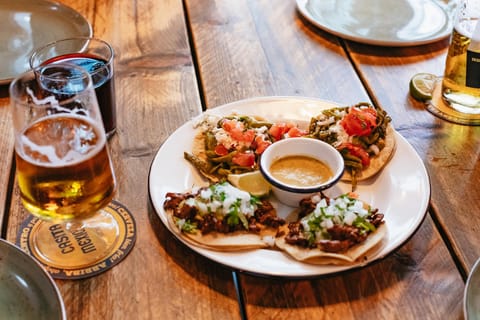
- The Belgian Quarter drew Southeast and Central Asian restaurateurs from the 1970s. Mandalay (Burmese) and Tibet Momo represent cuisines almost absent from the rest of Germany.
Signature innovations
- Kölsch Konvention 1986: The formal legal codification of Kölsch as a geographically protected designation, restricting use of the name to breweries within the Cologne area. The Konvention established the 0.2L glass, the kobes service and the top-fermented pale ale style as protected characteristics. One of only two beers in Germany with full appellation status (alongside Düsseldorfer Altbier).Taste it todayKölsch
- Belgian Quarter as food destination: The organic development of the Belgisches Viertel into Europe's most concentrated international eating district, with no planned intervention. The neighbourhood's Victorian housing stock, independent character and university proximity drew restaurateurs from Burma, Tibet, Peru, West Africa and beyond. The area now contains more distinct national cuisines per square kilometre than any comparable space in Germany.
Book food experiences in Cologne