

Tokyo
2.5 hours
Shinjuku Tokyo: Authentic Japanese Home-Style Culinary Class
Learn how to make a complete Japanese-style meal set, including classics like okonomiyaki, yakisoba, or sushi at a bustling kitchen studio in...
from¥13,300Check dates
Charcoal-grilled marinated beef and offal eaten table-side, the canonical Korean-Japanese Osaka meal. The Tsuruhashi district has the country's densest concentration of family-run yakiniku rooms.
Where to eat it: 3 restaurants across 1 city.
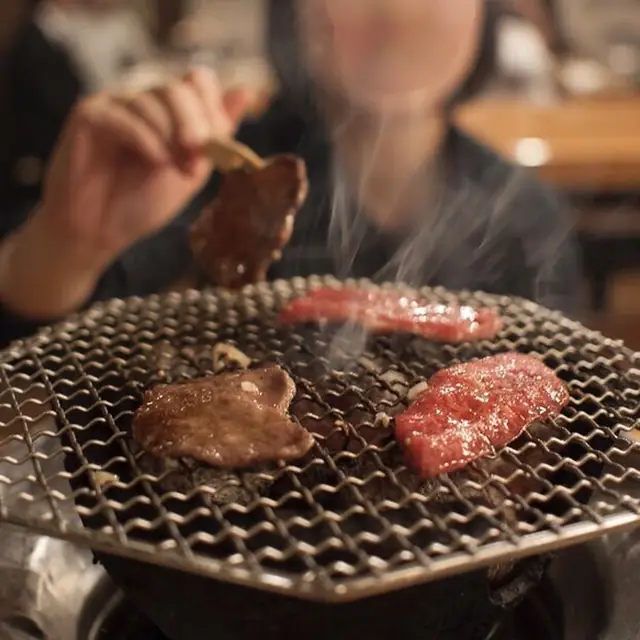
Tsuruhashi grew up around Osaka's Korean diaspora after the 1923 Kanto earthquake displaced workers and again after 1945. The black-market food stalls under the JR rail line became a permanent Korean-Japanese quarter; yakiniku as a sit-down genre was formalised here in the 1950s. The Tsuruhashi tradition keeps the meat lightly marinated and the offal varieties wider than the Tokyo branches that followed.
Tours, tastings and classes that match this page, bookable on GetYourGuide.
2.5 hours
Learn how to make a complete Japanese-style meal set, including classics like okonomiyaki, yakisoba, or sushi at a bustling kitchen studio in...
Guided tour · 3 hours
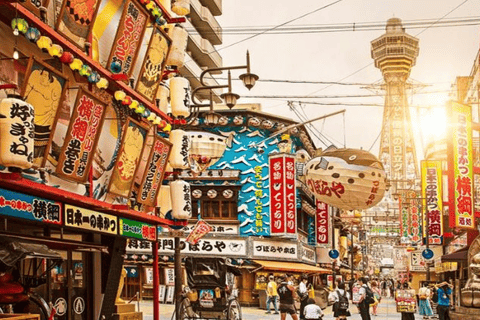
The most popular food tour in Osaka 7 years straight! Discover 15 dishes at 5 local eateries & 3 drinks. Local foodie experts will take you to the...

Guided tour · 3 hours
An expert-guided sake tasting and brewery tour in Kyoto. Your Japan trip gets better once you truly enjoy sake. In 3 hours, taste, visit a local...
Guided tour · 3 hours
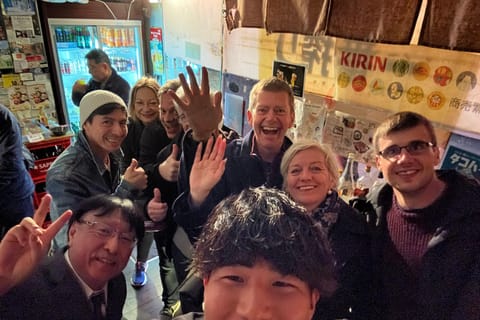
Dive into the food, culture, and local happenings of Hiroshima after dark. On this private tour, you'll get an intimate, insider's take on...
Common allergens: Soy, Sesame
Tip from the editors. Keep the marinade light; if the soy and sugar are too heavy the meat burns before it sears. The Tsuruhashi rooms barely marinate the higher-grade cuts at all.
The Namba CITY branch of Osaka's Tsuruhashi Fugetsu chain, cooking pork belly and squid okonomiyaki on a teppan counter just south of Dotonbori.
OrderClassic buta-tama, Kimchi okonomiyaki, Yakisoba
The lanes behind the Tsuruhashi market arcade hold family yakiniku restaurants serving offal over charcoal at ¥150 to ¥300 per skewer from the 1960s.
Why locals goThe main Tsuruhashi market is visited; the back alleys behind it are not on any tourist map.
Japan's largest Korean market surrounds Tsuruhashi station in alleys selling kimchi from stone crocks, Korean BBQ cut to order, japchae, makgeolli wine.
More cities are in research. Want yakiniku (tsuruhashi-style) covered somewhere specific? Tell us where you want to eat.