
Osaka
2.5 hours
Osaka Authentic Tempura & Miso Soup Japan Cooking Class
I'll be your personal chef coach and I'll teaching you Michelin-grade Japanese dishes to bring back home. Enjoy cooking Tempura and Miso soup start...
from¥15,000Check dates
Tokyo's tempura is featherlight battered seafood and seasonal vegetables fried in sesame-blended oil at high heat: served piece-by-piece across a counter, dipped in dashi-radish tentsuyu sauce, finished with salt.
Where to eat it: 1 restaurant across 1 city.
Tempura entered Edo from Portuguese missionaries in the 1500s, but the city refined the form through the 18th and 19th centuries into a fast street-cart food. Edomae tempura is distinct from the Osaka style: a thinner, paler batter, sesame oil predominant in the fry oil, and a focus on tide-fresh shrimp and small whitefish from Tokyo Bay. Tenpura Kondo and Tenmasa established the modern counter format in the late 20th century. The order at a top counter is mostly fixed: kuruma-ebi (kuruma prawn), sayori (halfbeak), kisu (sand whiting), then seasonal vegetables, finishing with tendon (tempura over rice) or tencha (tempura over tea-soaked rice).
Tours, tastings and classes that match this page, bookable on GetYourGuide.
2.5 hours
I'll be your personal chef coach and I'll teaching you Michelin-grade Japanese dishes to bring back home. Enjoy cooking Tempura and Miso soup start...
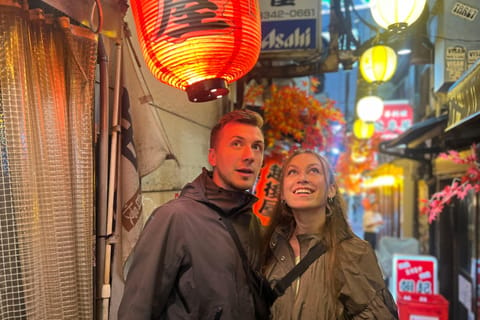
Guided tour · 3 hours
Explore Tokyo's nightlife like a local on this small-group tour through Shinjuku, learning its history and culture while enjoying 13 traditional...

Guided tour · 3 hours
An expert-guided sake tasting and brewery tour in Kyoto. Your Japan trip gets better once you truly enjoy sake. In 3 hours, taste, visit a local...
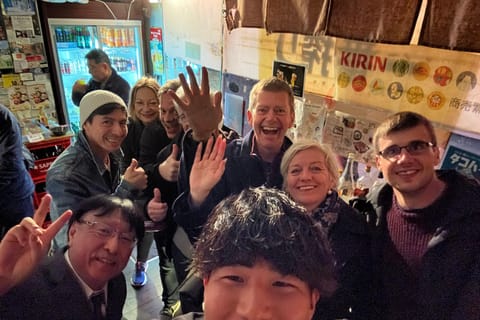
Guided tour · 3 hours
Dive into the food, culture, and local happenings of Hiroshima after dark. On this private tour, you'll get an intimate, insider's take on...
Common allergens: Gluten, Egg, Shellfish, Fish, Sesame
Tip from the editors. Ice-cold sparkling water and minimal mixing is the structural secret: the batter must shock-fry to a lacy shell. Sesame-blended oil is the Edomae signature; using only neutral oil gives Osaka-style heavier tempura.
Tsukiji Outer Market in Tokyo's Chuo ward is the food-stall labyrinth that survived after the wholesale auctions moved to Toyosu in 2018. Peak 07:00-11:00.
TipArrive by 07:30 for stalls before the tour groups; the tamagoyaki sticks at Yamacho are the canonical first bite.
More cities are in research. Want edomae tempura covered somewhere specific? Tell us where you want to eat.