
Santa Barbara
1 hour
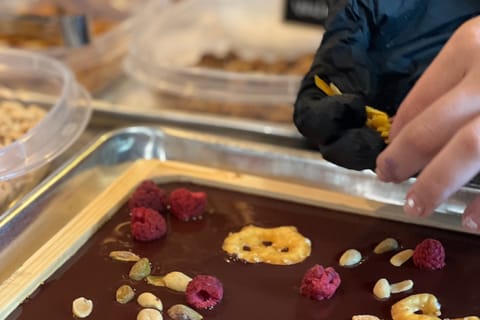
Santa Barbara: Chocolate Bar and Art Box Making Workshop
Visit a little factory in Santa Barbara for a chocolate-making experience. Enjoy designing your very own chocolate bar with a large selection of...
from$60Check dates
The defining regional barbecue of Santa Barbara County: a bottom sirloin tri-tip cut rubbed with salt, pepper, and garlic, then cooked over coast live oak coals at an adjustable iron grate raised and lowered by a hand crank. Served sliced thin alongside pinquito beans (small pink beans indigenous to the Santa Maria Valley), salsa, and grilled French bread soaked in the drippings.
Where to eat it: 1 restaurant across 1 city.
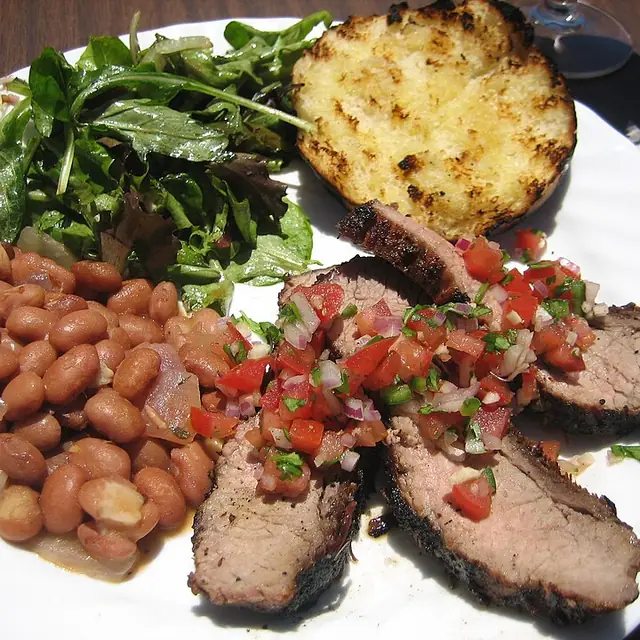
The Santa Maria barbecue tradition originates in the mid-19th century, when Californio ranchers hosted large-scale feasts for vaqueros over earthen pits of coast live oak coals. The Santa Maria Club began formal monthly Stag Barbecues in 1931. The tri-tip cut itself was popularised in the 1950s by Santa Maria butcher Bob Schutz of the Santa Maria Market, who started selling the previously overlooked bottom sirloin triangle as a roasting cut. Today the tradition is centred in Santa Maria (60 miles north) but defines Santa Barbara County's food identity.
Tours, tastings and classes that match this page, bookable on GetYourGuide.
1 hour
Visit a little factory in Santa Barbara for a chocolate-making experience. Enjoy designing your very own chocolate bar with a large selection of...

Guided tour · 2 hours
Choose a 2-hour express or 3-hour full Boston food tour. Taste clam chowder, arancini, brick oven pizza, cannoli, and more while exploring the North...
Guided tour · 2 hours
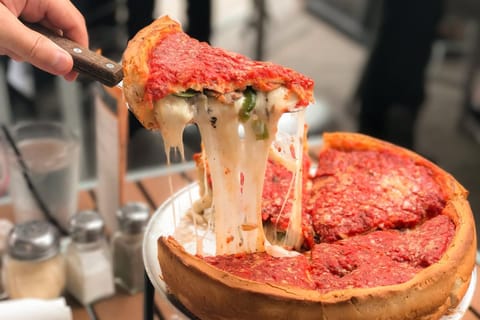
Taste some of Chicago's most iconic foods while walking through one of the Prohibition Era’s most fashionable and notorious gangster-ridden...
Guided tour · 2.5 hours
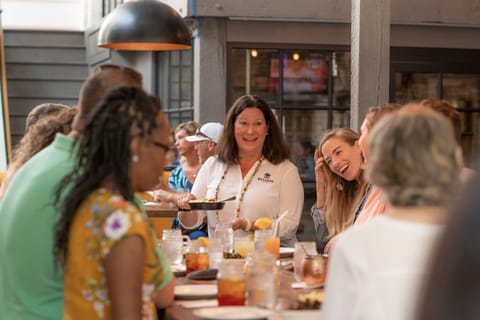
Experience the flavors of Charleston with the help of local guides. Delve into over 300 years of culinary history as you taste your way through the...
Common allergens: Gluten (French bread)
Tip from the editors. The grain of tri-tip changes direction partway through the roast; look for this inflection point while slicing and rotate the cut accordingly to keep every slice tender.
Third-generation family seafood house on the harbour dock since 1986. Award-winning clam chowder, garlic clams, bar overlooking the marina. No reservations.
SignatureNew England clam chowder, Garlic baked clams, Oysters on the half shell
More cities are in research. Want santa maria style tri-tip covered somewhere specific? Tell us where you want to eat.