
Tarihi Hocapaşa Pidecisi ★ 4.2
Tarihi Hocapaşa Pidecisi in Sirkeci, where a kıymalı pide costs under 180 lira and beats every tourist trap on the historic peninsula for the same money.
TryWood-oven pide
Turkish boat-shaped flatbread with toppings of minced lamb, sucuk and egg, pastırma and cheese, or spinach, baked in a wood-fired oven until the dough crisps and the topping bubbles.
Where to eat it: 3 restaurants across 1 city.
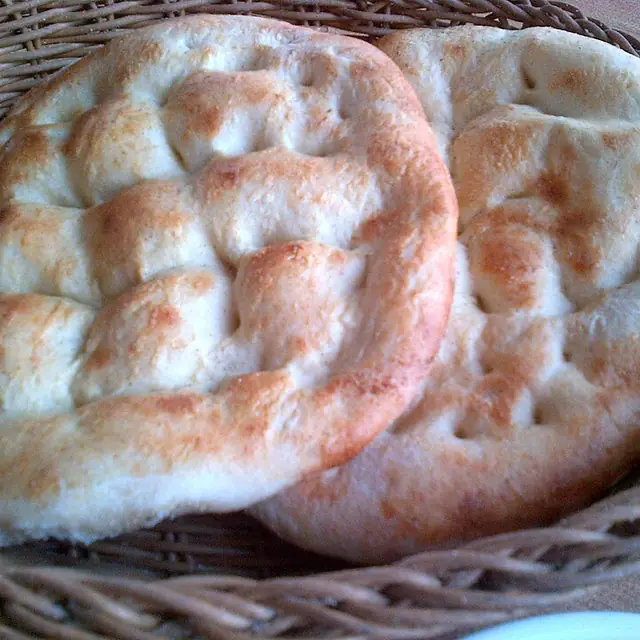
Pide is the Turkish flatbread cousin of pizza and Levantine manakish, with documented origins in Black Sea cooking from the 19th century. The boat shape (pide is named for the elongated form) developed in the wood-oven pidecisi shops of Trabzon and Karadeniz, and spread to Istanbul in the 20th century. Tarihi Hocapaşa Pidecisi and Borsam Taşfırın are the city's reference operators, with sucuklu-yumurtalı (sucuk and egg) and kıymalı (minced lamb) the canonical toppings.
Common allergens: Gluten, Dairy, Egg
Tip from the editors. The dough must be thinner than pizza and the topping spread sparingly across the centre, not edge-to-edge.
Tarihi Hocapaşa Pidecisi in Sirkeci, where a kıymalı pide costs under 180 lira and beats every tourist trap on the historic peninsula for the same money.
TryWood-oven pide
Borsam Taşfırın in Kadıköy, an 80-lira lahmacun from a stone oven, three to a person at the lunch peak, in a market-edge counter open since 1968.
TryLahmacun
Borsam Taşfırın in Kadıköy, the 1968 stone-oven lahmacun counter that turns a single 15-minute bake into the city's most reliable lahmacun under 80 lira.
TryLahmacun and pide
More cities are in research. Want pide covered somewhere specific? Tell us where you want to eat.