
Istanbul
2 hours
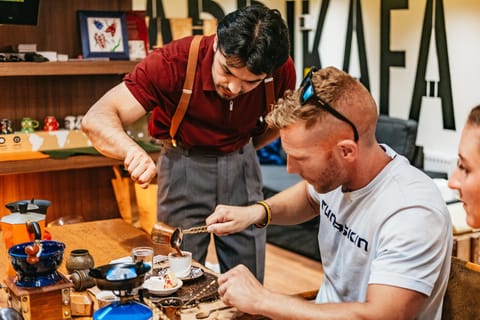
Istanbul: Turkish Coffee Making and Fortune Telling Workshop
Experience the traditions of Turkish coffee making, grind premium beans, and learn to make authentic brews in Istanbul. Enjoy a fortune-telling...
from$19Check dates
Tiny meat-filled dumplings the size of a thumbprint, boiled, served under garlic yogurt and finished with melted butter and Aleppo pepper oil.
Where to eat it: 2 restaurants across 1 city.
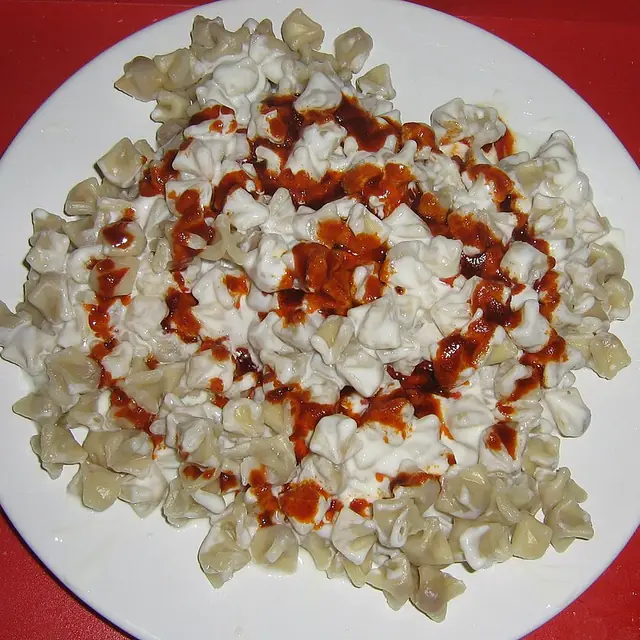
Mantı arrived in Anatolia with the Turkic migrations from Central Asia and became a Kayseri specialty by the 15th century, traditionally served at weddings and family feasts. Istanbul homes still measure cooks by whether their mantı is small enough that 40 fit on a spoon; restaurants serve a looser, larger version. The garlic-yoghurt sauce, sumac and a drizzle of melted butter with paprika and dried mint are the canonical Istanbul finishing; the dish is eaten with a spoon rather than fork.
Tours, tastings and classes that match this page, bookable on GetYourGuide.
2 hours
Experience the traditions of Turkish coffee making, grind premium beans, and learn to make authentic brews in Istanbul. Enjoy a fortune-telling...

2 hours
Make your trip to Poland complete by learning to make pierogi, delicious Polish dumplings that become popular across the world.
2 - 3 hours
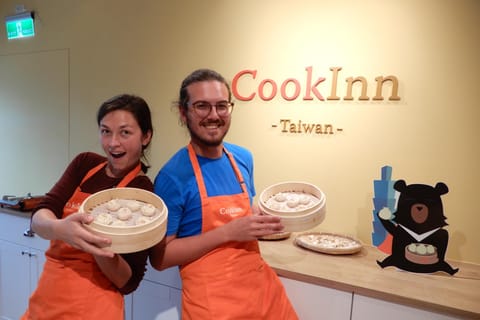
Join a fun, hands-on cooking class in Taipei to master Taiwan’s iconic dishes, meet new friends, and enjoy authentic local flavors! (Vegetarian...
Common allergens: Gluten, Dairy, Eggs
Tip from the editors. The mantı should be small enough that one bite holds three or four; if you can taste them individually, they are too big.
Chef Musa Dağdeviren's culinary-anthropology lokanta in Kadıköy market, plating regional Turkish dishes drawn from his fieldwork since 1998.
SignatureKebap of the day, Forgotten Anatolian stews, Vegetarian dolma
Civan Er's first Istanbul kitchen, off Istiklal in Beyoğlu since 2013, doing wood-oven Anatolian plates and a long-running 50 Best Discovery listing.
Book2 weeks ahead
More cities are in research. Want mantı (turkish dumplings) covered somewhere specific? Tell us where you want to eat.