History

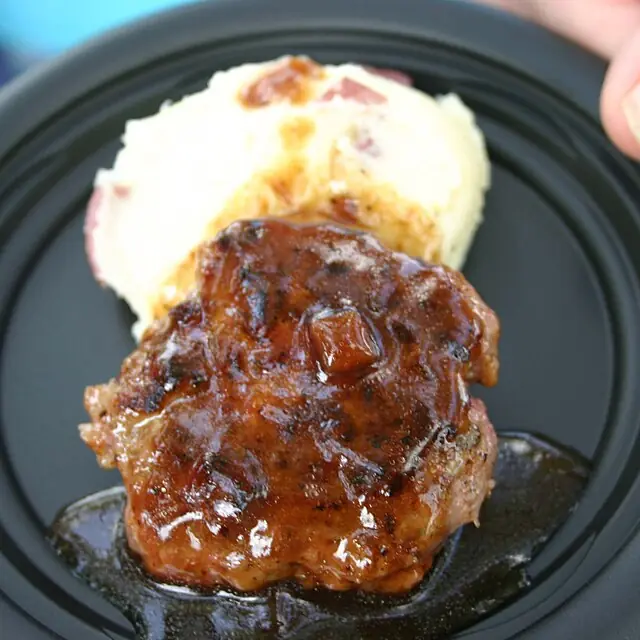
More substantial than its Swedish neighbour, kjøttkaker has anchored Norwegian everyday cooking for over a century, the unfailing centre of the kafeteria-style husmannskost meal.

Common allergens: Gluten, Dairy

Where to eat kjøttkaker

Kjøttkaker in Oslo

Asylet ★ 4.1

Traditional Norwegian$$gronland

Asylet on Grønland in Oslo's old town is the wood-panelled 1730 merchant-yard timber building, one of the city's oldest, serving kjottkaker, lutefisk and reindeer in a year-round Christmas-cosy room.

Signature: Kjottkaker with mash, Reindeer stew

Order: Kjottkaker with brown sauce and lingonberry; reindeer stew in winter.

Tip: The courtyard runs late spring through summer; the back-bar fireplace is the winter seat.

Kaffistova ★ 3.9

sentrum

Kaffistova on the ground floor of Hotell Bondeheimen on Rosenkrantz' gate has served Norwegian home cooking since 1901, with raspeballer, boknafisk, rømmegrøt and kjøttkaker on a cafeteria line.

Try: Norwegian home cooking, raspeballer and meatballs

Smalhans ★ 4.6

st-hanshaugenMon-Fri 13:00-23:00, Sat-Sun 12:00-23:00

Smalhans on Ullevålsveien at St Hanshaugen is the 2012 wine-bar bistro built around resourceful Nordic cooking, awarded a Michelin Bib Gourmand in 2015, with a long natural-wine list and a dagens husmannskost plate at 175 NOK in the late-afternoon window.

Signature pour: Norwegian still-cider with the day's dish

Wine focus: Natural Norwegian and growers' bottles, with husmannskost food

Food: Bistro mains and dagens husmannskost

More cities are in research. Want kjøttkaker covered somewhere specific? Tell us where you want to eat.

Browse all dishes →