
Kyoto
2h 30m
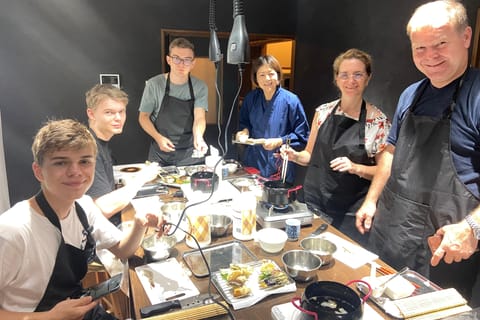
Kyoto: Japanese Washoku Bento Small Group Cooking Class
Learn how to assemble a Japanese-style lunch box during this cooking class in Kyoto. Make sushi rolls, tempura, tofu salad, and a Japanese rolled...
from¥9,500Check dates
Tokyo's everyday curry rice: a thick, mildly spiced brown gravy with beef or pork chunks, soft onion and potato, ladled over short-grain Japanese rice and topped with fukujinzuke pickle.
Where to eat it: 1 restaurant across 1 city.
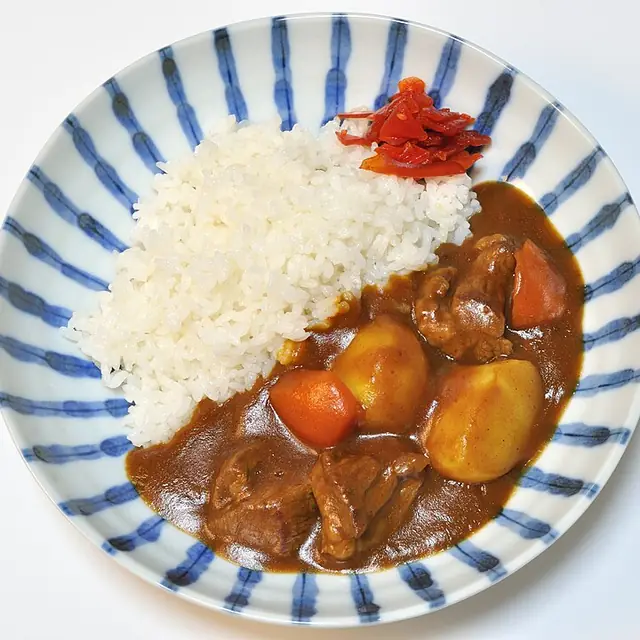
Curry rice entered Japan in the late 19th century through British naval recipes; the Imperial Japanese Navy adopted it as the standard Saturday lunch on warships in 1908 and the dish spread through dockyard towns to the rest of the country. Tokyo's CoCo Ichibanya chain (founded 1978) standardised the modern format with multi-level spice grading and a 12-page topping menu; the chain now has over 1,300 locations. Tokyo also has specialty curry-rice rooms (kare-ya) that have nothing to do with chains: thicker, darker, deeper-roux versions from neighbourhoods like Kanda and Jimbocho.
Tours, tastings and classes that match this page, bookable on GetYourGuide.
2h 30m
Learn how to assemble a Japanese-style lunch box during this cooking class in Kyoto. Make sushi rolls, tempura, tofu salad, and a Japanese rolled...

2.5 hours
Learn how to make a complete Japanese-style meal set, including classics like okonomiyaki, yakisoba, or sushi at a bustling kitchen studio in...
Guided tour · 2 hours
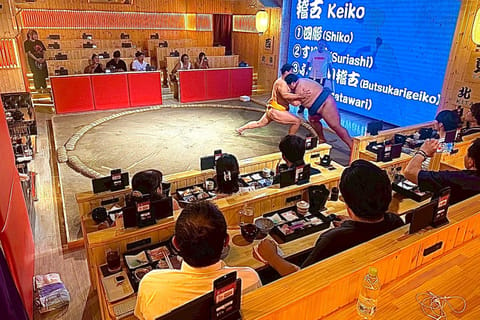
Learn the rules of sumo & how to practice it, watch demonstrations, and then have a go at wrestling yourself in Sapporo, Hokkaido. Enjoy Chanko-nabe...

Guided tour · 3 hours
Tour the sake breweries in Fushimi, Kyoto, one of Japan's three major sake producing areas! Sake tasting is available at each brewery. Enjoy the...
Common allergens: Gluten, Soy, Egg
Tip from the editors. Japanese curry roux blocks are sold in foil-wrapped trays at Asian groceries; the Vermont version is sweeter, Java spicier. The caramelised onions and the grated apple are the depth of flavour; without either, the dish reads as flat brown gravy.
CoCo Ichibanya in Tokyo's Shibuya is the Japanese curry-house chain where you build your bowl: rice size, spice level 1 to 10, toppings, all under 1,300 yen.
TryJapanese curry rice, choose-your-spice
TipPork katsu plus spinach is the canonical add-on. Spice level 5 is mid; vegetarian curry available.
More cities are in research. Want japanese curry rice (kare raisu) covered somewhere specific? Tell us where you want to eat.