
Athens
Guided tour · 3 hours
Athens: Street Food Tasting Tour
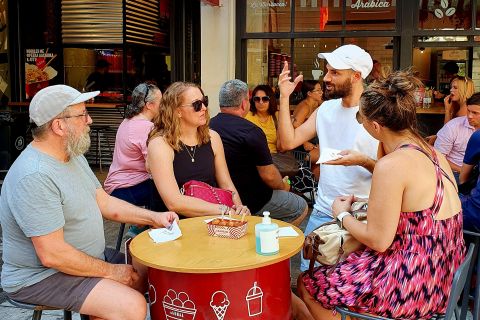
Immerse yourself in Athenian cuisine, sample the best street food with beer or wine, explore Athens, and hang out where the locals do on this guided...
from€59Check dates
Tomatoes, peppers and aubergines hollowed and stuffed with rice flavoured with herbs, pine nuts, raisins and tomato pulp, baked until the vegetables collapse and the rice absorbs the juice. The Thessaloniki summer table.
Where to eat it: 4 restaurants across 1 city.
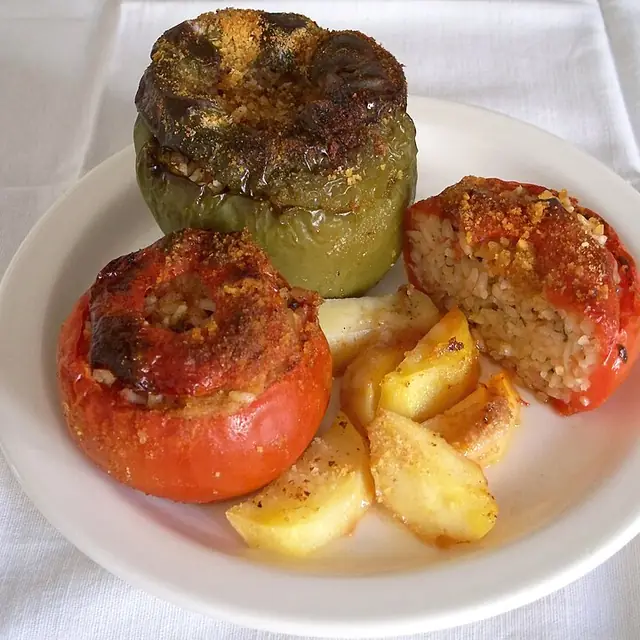
Gemista (the stuffed ones) belong to the Ottoman-rooted family of dolmades that runs across the Eastern Mediterranean. The Thessaloniki version leans heavily on Macedonian summer produce and is traditionally lathera, cooked in olive oil with no meat, eaten through the Lenten fasts and the August heat.
Tours, tastings and classes from the cities on this page, bookable on GetYourGuide.
Guided tour · 3 hours
Immerse yourself in Athenian cuisine, sample the best street food with beer or wine, explore Athens, and hang out where the locals do on this guided...
Guided tour · 7 hours
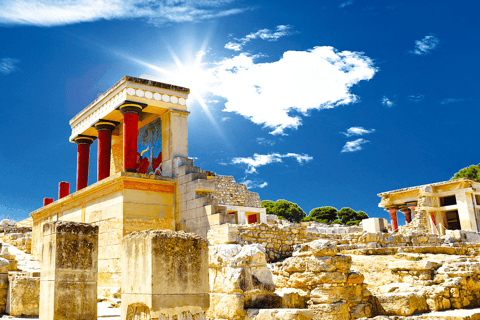
Visit Knossos Palace, Crete’s most famous archaeological site, and explore Heraklion city. Enjoy a guided tour, free time, and a walk through the Old...
Guided tour · 4 hours
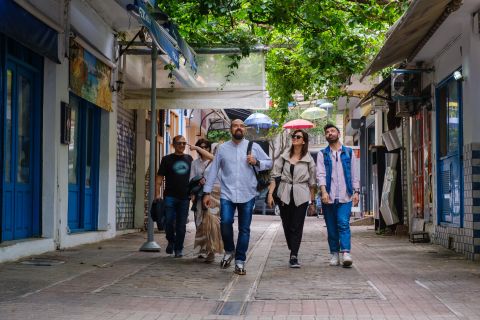
Delve into Greek cuisine and go on a walking tour of Thessaloniki with food tastings and drinks included. Taste local dishes such as koulouri, wander...
Tip from the editors. Use ripe summer tomatoes; supermarket plums lack juice to cook the rice. The potatoes around the base absorb the liquor and are half the dish.
Olympos Naoussa on Nikis Avenue offers a formal weekend brunch in the 1926 building with views of the White Tower and the Thermaikos Gulf. Family-friendly.
Since 1967, barely changed. Kavourmas of Xanthi beef, smoked mackerel with samphire, soutzoukakia of buffalo mince. At Aristomenous 4. Booking recommended.
Why locals goNo web presence, Ano Poli location deters casual visitors, no English menu
The Makedonia Palace Hotel dining room overlooks the Thermaikos Gulf and Mount Olympus. Led by chef Sotiris Evangelou. Tasting menu €70-100.
Book1-2 weeks ahead
Palia Athina serves the reliable Greek taverna repertoire for around 12 euros per person: moussaka, stifado, and simple grills with domestic wine.
More cities are in research. Want gemista covered somewhere specific? Tell us where you want to eat.