


History
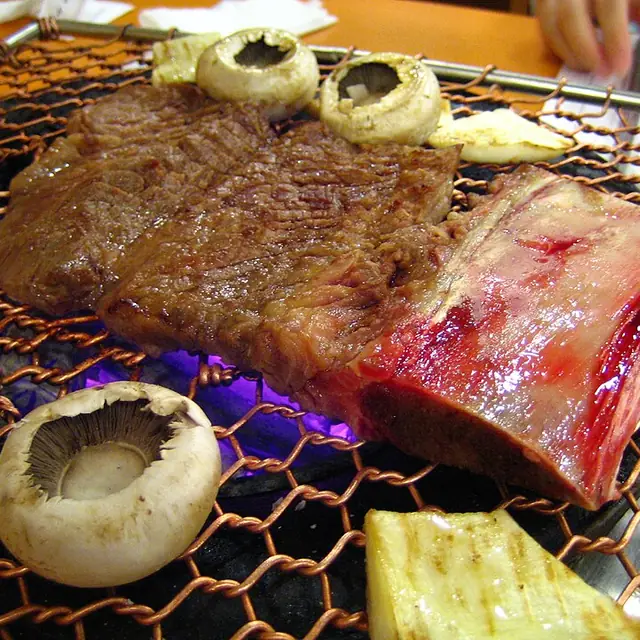
Galbi (short ribs) has been part of Korean food culture since at least the Goryeo dynasty, when beef became associated with ceremonial and celebration food. The marinade of soy sauce, Asian pear, garlic, ginger, sesame oil and sugar is a Joseon-era development recorded in court cooking texts. Suwon in Gyeonggi Province is historically associated with the most generous galbi cut: the claim is that Suwon galbi is cut longer and thicker than anywhere else in Korea. The post-war premium galbi tradition was codified by restaurants like Byeokje Galbi, which began sourcing top 1% graded hanwoo cattle and doing in-house butchery in the 1980s.
Book a food experience
Tours, tastings and classes that match this page, bookable on GetYourGuide.
Common allergens: Soy in marinade, Sesame in marinade
Make it at home
Ingredients
- 800g beef short ribs (flanken cut), scored to the bone
- 4 tablespoons soy sauce
- 2 tablespoons sugar
- 1 Asian pear, grated (or 1 kiwi as substitute)
- 4 cloves garlic, minced
- 1 teaspoon fresh ginger, grated
- 2 tablespoons sesame oil
- 1 tablespoon mirin
Method
- Score the ribs through to the bone in a crosshatch pattern to allow the marinade to penetrate.
- Combine all marinade ingredients. The pear contains bromelain enzymes that tenderise the meat.
- Marinate the ribs for at least 3 hours, preferably overnight in the refrigerator.
- Grill over high direct charcoal heat. Cook until caramelised and slightly charred at the edges, about 4 to 5 minutes per side.
- Rest for 2 minutes before serving. Cut between the bones to serve individual ribs.
Tip from the editors. The grated Asian pear is not optional: it tenderises and sweetens. If unavailable, kiwi works as an enzyme substitute but use half the quantity.
Where to eat galbi (grilled short ribs)
Galbi (Grilled Short Ribs) in Seoul
Byeokje Galbi ★ 4.5
In the Michelin Guide and on 50Best Discovery, Byeokje Galbi has served premium charcoal-grilled hanwoo short ribs since 1986, handling its own butchery.
OrderGalbi (short ribs) over charcoal.
TipBook the private room for groups; the galbi course includes side dishes and a naengmyeon to close.
Maple Tree House ★ 4.2
Maple Tree House in Itaewon serves premium hanwoo (Korean beef) and Jeju black pork belly over charcoal in a polished room frequented by international guests.
OrderAged hanwoo sirloin, cooked tableside over charcoal and served with perilla wraps.
TipArrive at opening on weekends to skip the queue; the staff will cook for you if you prefer.
More places near Byeokje Galbi and Maple Tree House
Not on this list, but close by, nearest first. Every one is in our guide with its address, hours and what to order.
- Plant Cafe and Kitchen Vegan, about 2.1 km away
- EID Halal Korean Food Halal Korean, about 2.1 km away
- Maple Tree House Itaewon Korean Bbq, about 2.3 km away
- Legume Vegan Fine Dining, about 2.4 km away
- Tartine Bakery Hannam (Brunch) Brunch, about 2.6 km away
More cities are in research. Want galbi (grilled short ribs) covered somewhere specific? Tell us where you want to eat.