History

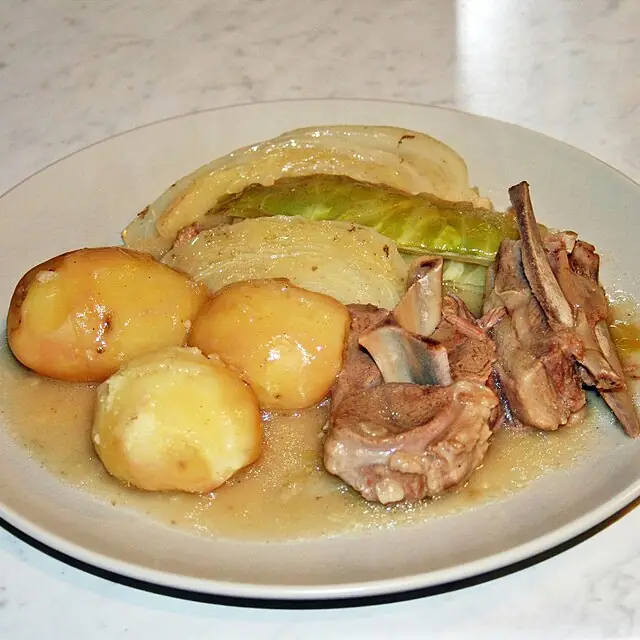
Fårikål has been celebrated annually on Fårikål Day in late September since 1972, when Norwegians began voting it the national dish.

Common allergens: Celery

Where to eat fårikål

Fårikål in Oslo

Asylet ★ 4.1

Traditional Norwegian$$gronland

Asylet on Grønland in Oslo's old town is the wood-panelled 1730 merchant-yard timber building, one of the city's oldest, serving kjottkaker, lutefisk and reindeer in a year-round Christmas-cosy room.

Signature: Kjottkaker with mash, Reindeer stew

Order: Kjottkaker with brown sauce and lingonberry; reindeer stew in winter.

Tip: The courtyard runs late spring through summer; the back-bar fireplace is the winter seat.

Engebret Café ★ 4.3

Traditional Norwegian$$$kvadraturen

Engebret Café at Bankplassen 1 is Oslo's oldest continuously operating restaurant, founded 1857 by Engebret Christoffersen, in a 1760s listed building where Ibsen, Bjørnson, Grieg and Munch all had regular tables.

Signature: Lutefisk in season, Reindeer fillet

Order: Lutefisk in the November-December season; reindeer fillet year-round.

Tip: Open from 17:00 weekdays; the lutefisk season runs through Advent and books out by mid-November.

Stortorvets Gjæstgiveri ★ 4.0

Traditional Norwegian$$$sentrum

Stortorvets Gjæstgiveri at Grensen 1 occupies a 1699 listed building one corner from Stortorvet square, with a la carte Norwegian classics, a courtyard for summer and the most-booked lutefisk room from October to Christmas.

Signature: Lutefisk in winter, Smorbrod platter

Order: Lutefisk plate October to Christmas; smorbrod at the cafe in summer.

Tip: The courtyard runs May to September; lutefisk season books out by November.

More cities are in research. Want fårikål covered somewhere specific? Tell us where you want to eat.

Browse all dishes →