
History

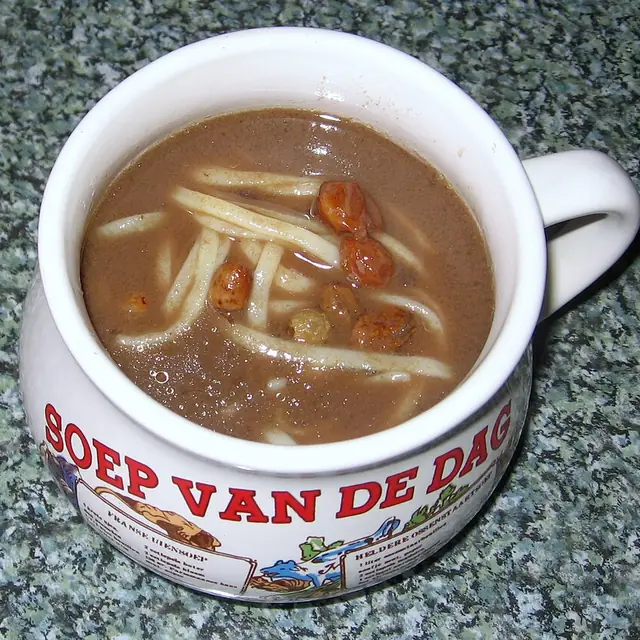
Czernina is the most Wielkopolska of all dishes and the most polarising of all Polish soups. The dish dates to at least the 17th century, when blood-thickened soups were common across Slavic Europe, and survived in Greater Poland after they faded elsewhere. The sweet-sour balance from vinegar and dried plums or pears distinguishes the Poznań version. In folk tradition, a serving of czernina was the signal a suitor's marriage proposal had been declined.

Common allergens: Gluten, Eggs

Where to eat czernina

Czernina in Poznań

Hyćka ★ 4.5

Why locals love it: On the Śródka side of the river, this Wielkopolska room is the city's most local regional kitchen but tourists rarely cross from Stary Rynek to find it.

Tip: Book by phone a day ahead and ask for the small room upstairs.

Podkoziołek ★ 3.9

Greater Poland regional€€stary-rynek

Podkoziołek on Stary Rynek in Poznań is a Wielkopolska restaurant opposite the Koziołki, with handmade pierogi, plendze, czernina and golonka in a vaulted dining room with regular live music.

Signature: Plendze, Pierogi, Golonka

Order: Plendze (Greater Poland potato pancakes) with mushroom sauce.

Tip: Time your visit to 12:00 to catch the Koziołki, the mechanical goats above the town hall, butting heads.

Ratuszova ★ 3.9

Modern Polish€€stary-rynek

Ratuszova on Stary Rynek 55 in Poznań is a modern-Polish room in a historic tenement, in business since 1954, with roast duck, czernina and game on a seasonal menu.

Signature: Kaczka pieczona z jabłkami, Czernina, Dziczyzna

Order: Roast duck with apples and red cabbage.

Tip: Sit in the vaulted cellar room for the proper Stary Rynek atmosphere; the upstairs is brighter but less characterful.

More cities are in research. Want czernina covered somewhere specific? Tell us where you want to eat.

Browse all dishes →