History
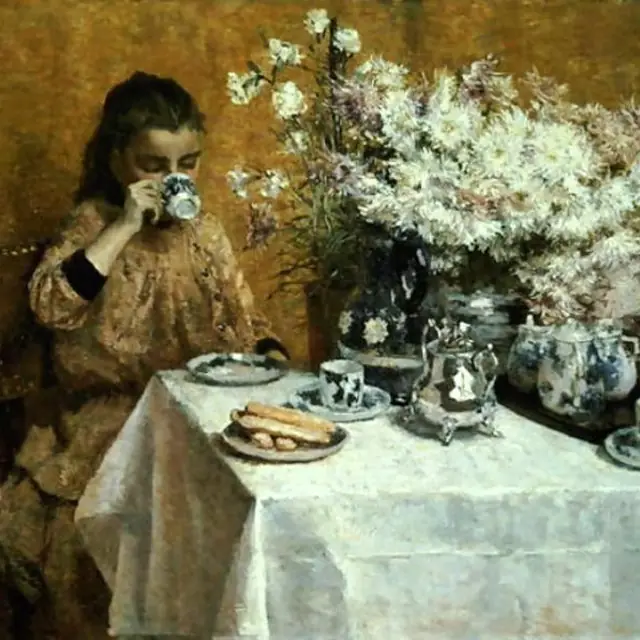
Anna, the seventh Duchess of Bedford, is credited with inventing afternoon tea around 1840 to bridge the gap between lunch and a late dinner. The Ritz on Piccadilly began serving formal afternoon tea in 1906 in the Palm Court, and Brown's Hotel, Claridge's, The Savoy, Fortnum and Mason and The Lanesborough have served it continuously since the Edwardian era. The orthodox order: a pot of loose-leaf tea, three finger sandwiches (cucumber, smoked salmon, egg mayonnaise), warm scones with clotted cream and strawberry jam, a tiered stand of patisserie. Booking opens months ahead at the marquee rooms.
Make it at home
Yield Serves 4Hands-on 1 hrTotal 1 hr 30 minDifficulty Intermediate
Ingredients
- For scones: 450g self-raising flour, 100g unsalted butter (cold, cubed), 50g caster sugar, 1 tsp baking powder, 2 large eggs, 200ml whole milk, pinch salt
- 300g Cornish or Devon clotted cream
- 200g strawberry jam
- For sandwiches: 8 slices brown bread (crusts off), 8 slices white bread (crusts off), 1 cucumber (thinly sliced, salted, drained), 200g smoked salmon, 80g cream cheese, 4 eggs (boiled, mashed with 30g mayonnaise), butter for spreading
- For tea: 8 tsp loose-leaf Earl Grey, Darjeeling or English Breakfast
Method
- Heat oven to 220C. Rub butter into flour, sugar, baking powder and salt until breadcrumb texture.
- Whisk eggs into milk. Pour into dry mix, bring together quickly with a knife. Do not over-knead.
- Roll to 3cm thick, cut into 5cm rounds. Place on parchment, brush with milk.
- Bake 12 to 14 minutes until risen and gold. Cool on a rack 10 minutes.
- Butter brown bread, layer thin cucumber, top with second slice. Cut into fingers, crusts off.
- Spread cream cheese on white bread, top with smoked salmon, second slice. Cut into fingers.
- Mix mashed egg with mayo, spread on brown bread, top, cut into fingers.
- Warm the teapot, add loose-leaf tea, pour over boiling water (90C for green/oolong; full boil for black). Steep 4 minutes.
- Plate: sandwiches on bottom tier, scones (split, warm, jam first then clotted cream on top, by the Cornish tradition; cream first then jam by the Devon school) on middle, cakes on top.
Tip from the editors. The Cornish way is jam first, cream on top. The Devon way is cream first, jam on top. Don't get into the argument with a Cornishman.
This is the TableJourney editorial recipe, modelled on the canonical bistro / counter version. The first place to try the dish in its city of origin is below.