40 editor-picked indonesian restaurants across 9 cities.
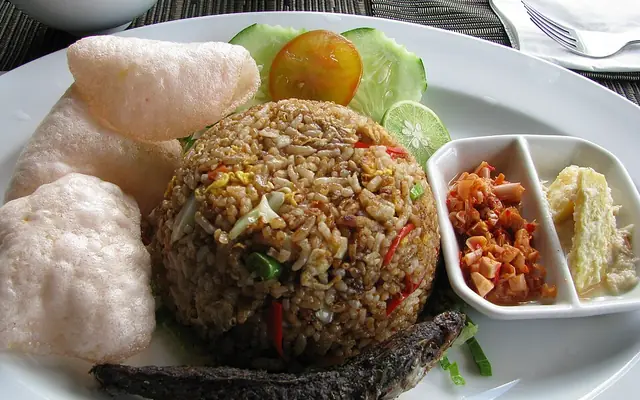
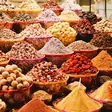
Photo: shankar s. from Dubai, united arab emirates · CC BY 2.0
Indonesian cuisine is the food of the world's largest archipelago (17,000 islands, 1,300 ethnic groups, 700 languages), and the diversity of regional kitchens is enormous. There is no single Indonesian cuisine; there is Padang from West Sumatra, Javanese from Central and East Java, Balinese, Sundanese from West Java, Manado from North Sulawesi, Batak from North Sumatra, Acehnese from the northwestern tip, and dozens of smaller regional traditions. What unites them is rice as the universal staple (eaten three times a day across all regions), the sambal culture (dozens of regional chile-paste varieties, each tuned to specific dishes), and the heavy use of aromatics (lemongrass, galangal, kaffir lime leaf, turmeric, candlenut, palm sugar, coconut milk).
The defining dishes that travel across regions are rendang (the Minangkabau slow-cooked dry beef curry from West Sumatra, voted CNN's World's Best Food in 2011 and 2017), nasi goreng (the ubiquitous fried rice, almost the national dish), satay (skewered grilled meat with peanut sauce, the Javanese version being the canonical one), gado-gado (the Javanese vegetable salad with peanut sauce), nasi padang (the rijsttafel-style Padang restaurant format where 10 to 20 small dishes arrive at once and you pay for what you eat), and the deep nasi campur (mixed-rice) tradition where rice is served with multiple small accompanying dishes. Sambal (chile paste) is the universal condiment, with dozens of regional varieties: sambal ulek (the simplest, raw chile and salt), sambal terasi (with shrimp paste), sambal matah (the Balinese raw chile-and-shallot relish), sambal kecap (with sweet soy).
The rijsttafel tradition (literally 'rice table' in Dutch) was the colonial-era format for serving Indonesian food at scale: a parade of 20 to 40 small dishes around a central rice pile, designed to showcase the diversity of the archipelago's kitchens. Today the rijsttafel is more a Dutch-Indonesian diaspora tradition than a present-day Indonesian one, but the underlying nasi campur format is alive across the country.
Book a food experience
Tours, tastings and classes from the cities on this page, bookable on GetYourGuide.
Taste the delicious cheeses of Henri Willig at a cheese-tasting experience in the heart of old Amsterdam, and sample different kinds of cheese served...
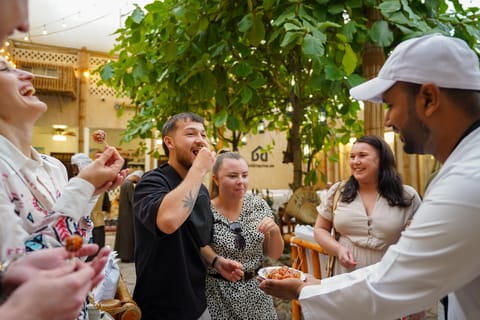
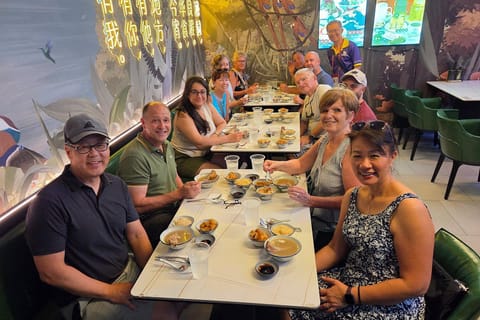
Arrive hungry and discover Singapore's hawker culture through 9 authentic tastings, including Bak Kut Teh, Carrot Cake, Chicken Rice and Satay, while...
Restaurant Blauw in Amsterdam's Oud-Zuid runs the most consistent rijsttafel in the city, twenty-plus dishes laid across a long table, near Vondelpark.
OrderThe full Blauw rijsttafel, twenty-plus small plates with rice and sambals.
TipBook a fortnight ahead for weekends. Two seatings a night, the early one is quieter.
Begawan Biji cooks Indonesian heritage dishes over fire on regenerative rice-field grounds in Bayad village near Ubud, Bali, as a farm-to-table restaurant.
SignatureMansur Raja nasi goreng, Tuna satay Gorontalo, Bali heritage pork satay
Indonesian restaurant on the Springweg specialising in rijsttafel, the multi-dish rice table. A Michelin Bib Gourmand venue; rijsttafel also offered vegan.
OrderThe full rijsttafel, also available in a vegan version
A tiny owner-run Indonesian kitchen in Delfshaven where Albert and Marjolein cook one rotating dish a day, served in three portion sizes. Booking recommended.
TipThe kitchen runs one dish a day in three sizes.
Bali on Brüsseler Platz in Cologne's Belgisches Viertel serves authentic Indonesian and Balinese dishes in a romantic basement with home-style cooking.
OrderBabi guling, the Balinese roast pork, and the sayur lodeh coconut vegetable stew
TipThe basement room is intimate and warmly lit; book ahead for a table on weekend evenings.
Restaurant Blauw in Amsterdam's Oud-Zuid runs the most consistent rijsttafel in the city, twenty-plus dishes laid across a long table, near Vondelpark.
OrderThe full Blauw rijsttafel, twenty-plus small plates with rice and sambals.
TipBook a fortnight ahead for weekends. Two seatings a night, the early one is quieter.
Begawan Biji cooks Indonesian heritage dishes over fire on regenerative rice-field grounds in Bayad village near Ubud, Bali, as a farm-to-table restaurant.
SignatureMansur Raja nasi goreng, Tuna satay Gorontalo, Bali heritage pork satay
Sangsaka is Kieran and Yunika Morland's modern Indonesian restaurant in Seminyak, Bali, cooking Javanese family recipes over wood fire on a back street.
Nusantara by Locavore cooks regional dishes from across Indonesia in Ubud, Bali, from Kupang smoked pork belly to Aceh lamb curry, at lunch and dinner.
SignatureSmoked pork belly with Kupang sambal, Mud crab from Samarinda, Lamb curry from Aceh
Indonesian restaurant on the Springweg specialising in rijsttafel, the multi-dish rice table. A Michelin Bib Gourmand venue; rijsttafel also offered vegan.
OrderThe full rijsttafel, also available in a vegan version
A tiny owner-run Indonesian kitchen in Delfshaven where Albert and Marjolein cook one rotating dish a day, served in three portion sizes. Booking recommended.
TipThe kitchen runs one dish a day in three sizes.
A long-running Indonesian rijsttafel address in Hillegersberg, open since 1995, with a garden terrace and a kitchen that balances classic Javanese stews.
OrderThe full Javanese rijsttafel with extra sate ajam.
TipBook a terrace table on a summer evening and pre-order the rijsttafel so the dishes land in the right order.
Bali on Brüsseler Platz in Cologne's Belgisches Viertel serves authentic Indonesian and Balinese dishes in a romantic basement with home-style cooking.
OrderBabi guling, the Balinese roast pork, and the sayur lodeh coconut vegetable stew
TipThe basement room is intimate and warmly lit; book ahead for a table on weekend evenings.
An Indonesian warung on Gouvernestraat serving rijsttafel, gado-gado, and babi pangang. Located in Centrum. Order the rijsttafel for two and the satay ayam.
OrderRijsttafel for two and the satay ayam.
TipOrder the rijsttafel for two even if dining solo; it costs the same and gives a fuller spread.
Warung Bayu in Cologne's Brabanter Strasse serves traditional Balinese curries and vegetarian specialties; crispy pork and black sauce chicken lead the menu.
OrderCrispy pork belly with spicy black bean sauce, or the fragrant Balinese chicken curry
TipAffordable lunch and dinner; the vegetarian dishes are among the best Balinese cooking in the city.
The most aggressive and spice-rich cooking in Indonesia. Rendang (the dry-cooked beef in coconut milk and 30+ spices), gulai (the wet curry), dendeng balado (chile-marinated beef), ayam pop (white-poached chicken). Served as nasi padang: small dishes brought to the table; you eat what you want and pay accordingly. The format is exported to nasi padang restaurants across Indonesia.
Java (Central, East, Sundanese West)
The most varied regional kitchen. Sundanese (West Java) leans fresh vegetables and lighter cooking (karedok, the raw-vegetable version of gado-gado; pepes, fish in banana leaf). Central Javanese (Yogyakarta, Solo) is sweeter (gudeg, the jackfruit stew with palm sugar). East Javanese (Surabaya) is bolder with shrimp paste (rawon, the black beef soup with kluwek nut). Satay is the universal Javanese street food.
Bali
Hindu-influenced, lighter on beef (still cattle-revering) and heavier on duck and pork. Babi guling (suckling pig, the Bali signature), bebek betutu (duck wrapped in banana leaf with spice paste and slow-roasted), lawar (chopped meat-and-vegetable mix), sambal matah (the Balinese fresh-chile relish). The most distinctive regional cuisine outside the major archipelagos.
Sulawesi (Manado, Makassar)
Manado cooking is the spiciest in Indonesia, with chile-heavy dishes (cakalang fufu, smoked skipjack tuna; ayam rica-rica, the chile chicken). Makassar (Bugis) leans heavily on coconut, palm sugar, and fish (pallumara, ikan bakar). The eastern-Indonesian seafood-and-chile tradition.
Sumatra (Acehnese, Batak)
Acehnese is Indian-influenced with curries (kari kambing, mie aceh). Batak (North Sumatra) is one of the few non-Muslim regional cuisines (animist and Christian Batak), with strong pork dishes (saksang, na niura) and the andaliman (Batak pepper, related to Sichuan peppercorn).
Defining indonesian dishes
Rendang
Minangkabau slow-cooked dry beef curry from West Sumatra, simmered for 4 to 6 hours in coconut milk and a paste of galangal, lemongrass, turmeric, ginger, garlic, shallot, chile, candlenut, and dozens of other spices until the liquid evaporates and the meat is dark and crusted. Voted CNN's World's Best Food twice (2011, 2017).
Nasi Goreng
Indonesian fried rice, made with kecap manis (sweet soy sauce), shallot, garlic, chile, often shrimp paste, served topped with a fried egg, krupuk (prawn crackers), pickled cucumber, and chicken or shrimp. The unofficial national dish, eaten at every level from street stall to hotel breakfast.
Sate (Satay)
Skewered grilled meat with peanut or kecap dipping sauce. Sate ayam (chicken, the most common), sate kambing (goat), sate lilit (Balinese minced-meat sate wrapped on lemongrass stalk), sate padang (West Sumatran sate with yellow turmeric sauce). The Javanese sate is the canonical one; Indonesian origin, exported across Southeast Asia.
Gado-Gado
Javanese vegetable salad with steamed and raw vegetables (long beans, cabbage, bean sprouts, potato, hard-boiled egg, tofu, tempeh), dressed with a peanut sauce. The Indonesian version of a composed salad; popular across the islands.
Nasi Padang
The West Sumatran restaurant format where 10 to 20 small dishes (rendang, gulai, dendeng, sayur nangka, sambal ijo) arrive at the table simultaneously; you eat what you want and pay only for what you consume. The format itself is Padang-canonical and exported across Indonesia. Plates are typically tilted to indicate availability.
Sambal
The universal Indonesian chile paste, in dozens of regional varieties. Sambal ulek (raw chile and salt, the simplest), sambal terasi (with shrimp paste), sambal matah (Balinese raw chile-shallot-lemongrass), sambal kecap (with sweet soy), sambal hijau (green chile), sambal bajak (fried with spice paste). Every regional cuisine has its own dominant sambal.
Gudeg
Central Javanese (Yogyakarta) jackfruit stew slow-cooked with palm sugar, coconut milk, garlic, shallot, candlenut, and bay leaf for several hours until brown and sweet. Served with rice, chicken, egg, krecek (spicy cattle skin), and sambal.
Babi Guling
Balinese suckling pig stuffed with a spice paste (turmeric, galangal, lemongrass, kaffir lime, chile, garlic, candlenut), spit-roasted over coconut husks until the skin is glassy-crisp. The defining Balinese ceremonial dish; Ibu Oka in Ubud is the famous warung.
Mie Goreng
Indonesian fried egg noodles with kecap manis, garlic, shallot, chile, often with chicken, shrimp, or vegetables, topped with a fried egg. The noodle parallel to nasi goreng.
Bakso
Beef-and-tapioca meatballs in clear broth, often served with rice noodles, fried tofu, vegetables, and sambal. The defining Indonesian street-food noodle soup; a former Obama-administration favorite that put it briefly on the global food-press radar.
How to order
At a warung (small Indonesian restaurant), the order is rice with multiple accompanying dishes (nasi campur format). Order 4 to 6 small dishes for two people (one meat, one vegetable, tempeh or tofu, sambal, krupuk), with rice. At a Padang restaurant, you do not order; the small dishes arrive and you eat what you want, paying only for what you consume. At a streetside satay stall, order by the count (10 sticks of chicken with rice cake). Sambal is on the table; ask for the specific one if you want it (sambal ulek for raw heat, sambal kecap for sweet-spicy).
The rookie mistakes: assuming all Indonesian food is spicy (Javanese cooking can be quite mild; Sundanese is fresh and gentle; the heat lives in the sambals, which you control), eating with the left hand (the right hand is the eating hand across Muslim Indonesia; the left is unclean), refusing krupuk (the prawn cracker is a standard accompaniment and not optional), confusing Indonesian satay with Malaysian or Thai satay (the Indonesian version is the original; Malaysian and Thai versions evolved from it), and assuming nasi goreng is the most authentic Indonesian dish (it is the most ubiquitous, but rendang, gudeg, or babi guling are deeper regional cooking). Tip 10 percent in Bali; nothing in most other places.
What to drink with it
Indonesian Bintang beer is the universal pour, especially in Bali (where alcohol restrictions are loosest). Bir Bintang and Anker for the working-class table. Indonesian arak (the rice-based spirit, especially the Bali tradition) for the strong stuff. Es teh manis (sweet iced tea) is the universal non-alcoholic option; es jeruk (citrus over ice with lime juice) for refreshing. Es campur and es cendol for sweet drinks. Kopi tubruk (the unfiltered ground-coffee with sugar) is the working coffee. The Muslim majority means alcohol is restricted in most regions (Sumatra, parts of Java, Aceh) and easier in Bali (Hindu) and the major hotels. Wine pairing with Indonesian food is challenging; sweet German Riesling, off-dry Gewurztraminer, and high-acid sparkling handle the chile-sweet balance.
Where to eat it
Jakarta is the most concentrated Indonesian-food city, with Plataran Menteng, Kaum (the modern Indonesian flagship across Jakarta and Bali), Lara Djonggrang, Tugu Kunstkring, and the Padang restaurant clusters in the Sabang street area. Bali for Balinese: Naughty Nuri's for satay, Ibu Oka in Ubud for babi guling, Bumbu Bali, Mozaic Restaurant Gastronomique, Locavore (Asia's 50 Best). Yogyakarta for gudeg at Gudeg Yu Djum. Padang for the source rendang. Manado for the chile cooking. Outside Indonesia, Amsterdam holds the deepest rijsttafel tradition (Sama Sebo, Tempo Doeloe, Sampurna; the Indonesian community is Dutch-historic), Sydney and Melbourne have strong Indonesian scenes (Bali Stik, Java Spice), Singapore has nasi padang at Sinar Pagi, London has Bali Bali in the West End, and New York has Bali Cafe.
A short history
Indonesian cuisine took its modern shape across many layers: indigenous Austronesian rice cultivation (4,000+ years), Indian Hindu-Buddhist trade (curries, the spice paste tradition), Arab-Muslim trade (the kambing-and-lamb tradition, the Islamic dietary framework), Chinese trade (noodles, soy sauce, tofu, the Hokkien-influenced street food), Portuguese colonization brief (chile arrival in the 16th century), Dutch colonization 1602 to 1949 (the rijsttafel format, kecap manis as an industrialized condiment), and the post-1945 Indonesian republic that codified the national-dish trio of rendang, nasi goreng, and sate.
Frequently asked
Is Indonesian food the same as Malaysian food?
They share a Malay-archipelago base and many dishes (rendang, satay, nasi goreng, gado-gado have Malaysian parallels), but Indonesian cooking is more diverse (17,000 islands versus Malaysia's peninsula-plus-Borneo), with deeper regional specialization, and the West Sumatran (Padang) and Javanese kitchens are more spice-aggressive than typical Malaysian. The Dutch colonial influence (kecap manis, the rijsttafel format) is Indonesia-specific.
Why is rendang considered the world's best food?
CNN Travel ran a global food readers' poll in 2011 and 2017, and rendang topped both. The dish is the apex of the Minangkabau slow-cooking tradition: 4 to 6 hours of reduction concentrates the coconut milk and the spice paste into a dark, dry, intensely flavored crust around the beef. The technique is one of the most labor-intensive in Asian home cooking; a serious rendang cannot be rushed or replicated quickly.
What is the rijsttafel?
Dutch for 'rice table'; a colonial-era format invented in Dutch plantation society in the 19th century. It presents 20 to 40 small Indonesian dishes around a central rice pile, designed to showcase the diversity of the archipelago in one meal. The format is now largely a Dutch-Indonesian diaspora tradition (Amsterdam's Sama Sebo and Tempo Doeloe are the lineage rooms); contemporary Indonesia uses smaller nasi campur formats more often.








.jpg)