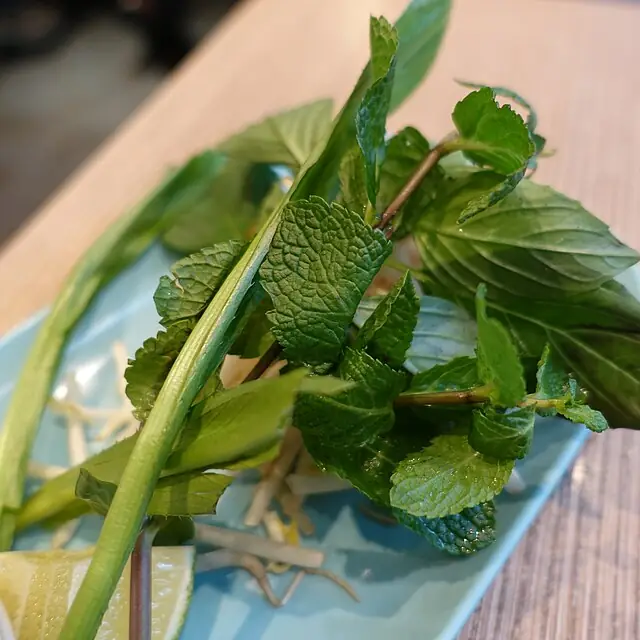
Pho ★ 4.8
San Jose's Vietnamese corridor on Story Road produces some of California's most consistent bowls: deep marrow broth, fresh herbs and thin-sliced beef.
Where: Pho Ha Noi, Pho 90 Degree
Price: $13-18
The plates that define San Jose: what they are, and where to eat the canonical version.
The plates that define San Jose. what they are, where they came from, and where to eat the canonical version.
San Jose's Vietnamese corridor on Story Road produces some of California's most consistent bowls: deep marrow broth, fresh herbs and thin-sliced beef.
Where: Pho Ha Noi, Pho 90 Degree
Price: $13-18
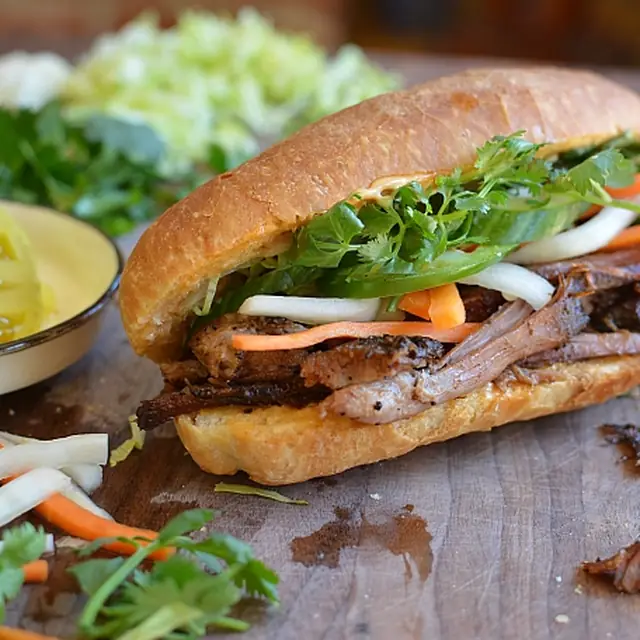
San Jose's Vietnamese bakeries stuff baguettes with pate, pickled daikon and sliced pork in a form that has barely changed since the community arrived in 1975.
Where: Pho Ha Noi, Com Tam Dat Thanh
Price: $4-9
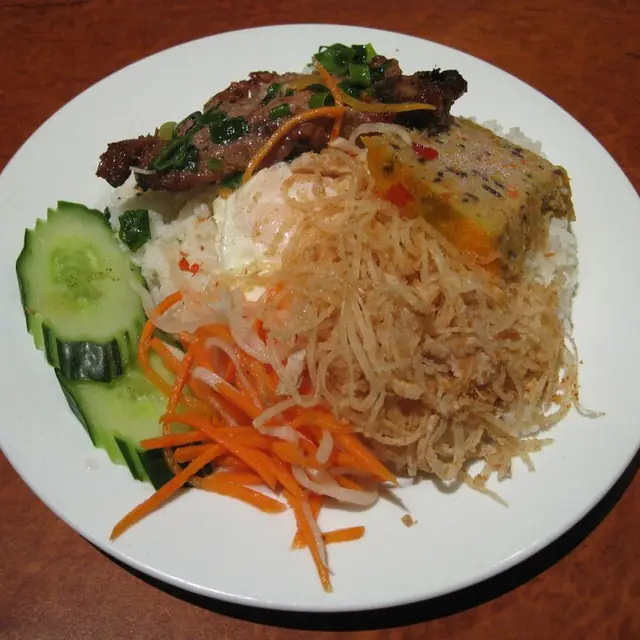
Broken rice from South Vietnam, plated with grilled pork chop, shredded pork skin, a fried egg and a bowl of nuoc cham, is San Jose's working lunch.
Where: Com Tam Dat Thanh
Price: $10-15
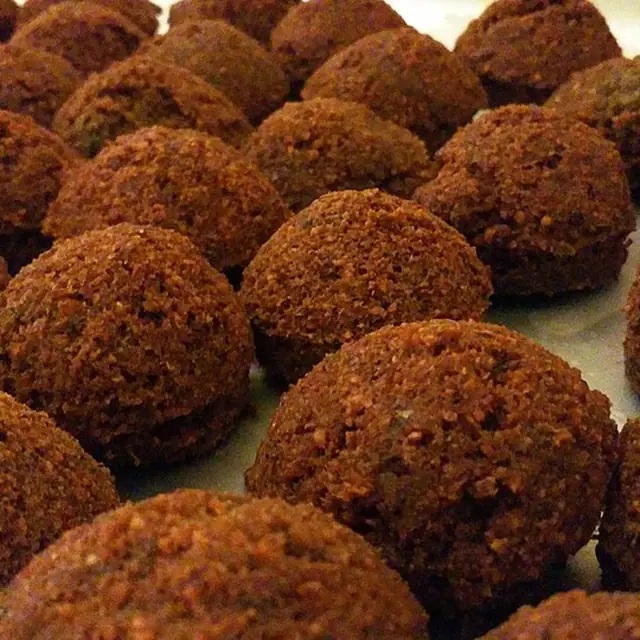
Falafel's Drive-In on Stevens Creek has served its own falafel tradition since 1966: crispy patties in a soft pita with tahini, tomato and a choice of hot sauce.
Where: Falafel's Drive-In
Price: $8-14
The taco trucks of East San Jose, many family-owned since the 1970s, serve carne asada and al pastor on hand-made corn tortillas with onion, cilantro and salsa roja.
Where: La Victoria Taqueria San Carlos, Adelita's Taqueria
Price: $3-5 per taco
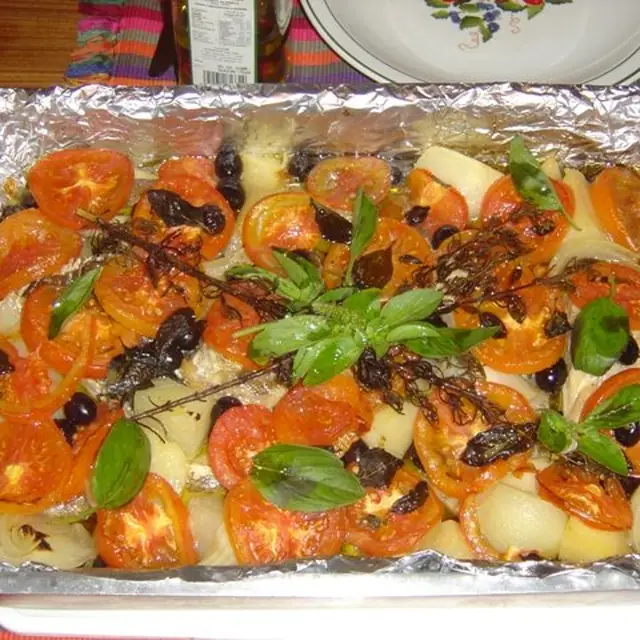
Adega on Alum Rock Avenue brings Portugal's salt cod tradition, codified during the Age of Discovery from the 1400s onward, to San Jose in preparations that change with the tasting menu but always anchor the kitchen.
Where: Adega
Price: $35-55
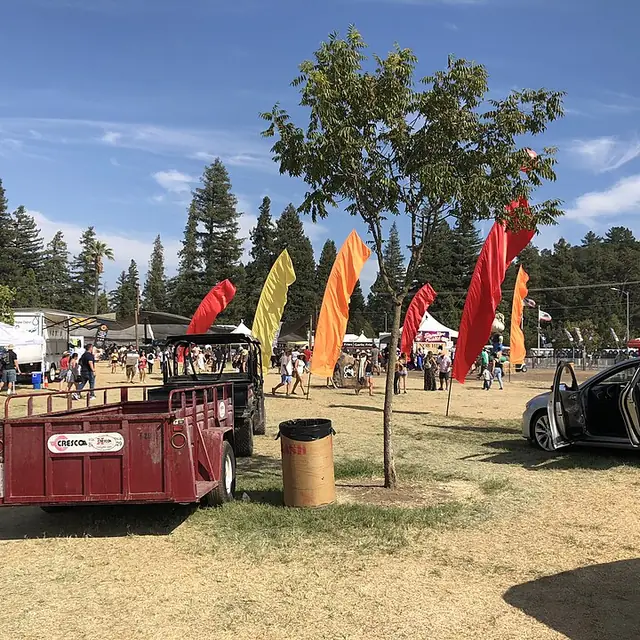
Gilroy, 30 minutes south of San Jose, produces most of California's garlic harvest, and roasted-garlic preparations reach every level of South Bay cooking.
Where: Original Joe's, Back A Yard Caribbean Grill Downtown
Price: $5-15
Japantown San Jose, one of three surviving historic US Japantowns, draws locals to its izakayas and ramen counters on N 6th Street for shareable plates and draft beer.
Where: Kaita Restaurant, Minato Japanese Restaurant
Price: $8-16 per plate
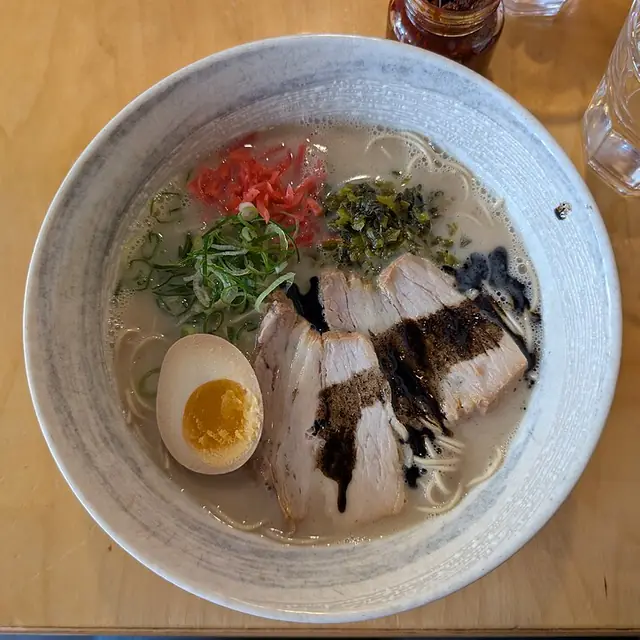
Kumako Ramen on Jackson Street in Japantown has built a reputation as San Jose's most consistent tonkotsu bowl: cloudy pork-bone broth, housemade noodles and a soy-marinated egg.
Where: Kumako Ramen Japantown
Price: $14-19
La Victoria Taqueria's fluorescent-orange tomatillo salsa, made to a recipe unchanged since the 1960s, defines a San Jose street food tradition unique to this restaurant.
Where: La Victoria Taqueria San Carlos
Price: $5-11
Before Silicon Valley, the Santa Clara Valley was orchard and vineyard country. Wineries in Morgan Hill and Gilroy still draw San Jose diners for weekend tastings.
Where: Ozumo Santana Row, District
Price: $18-45 per glass
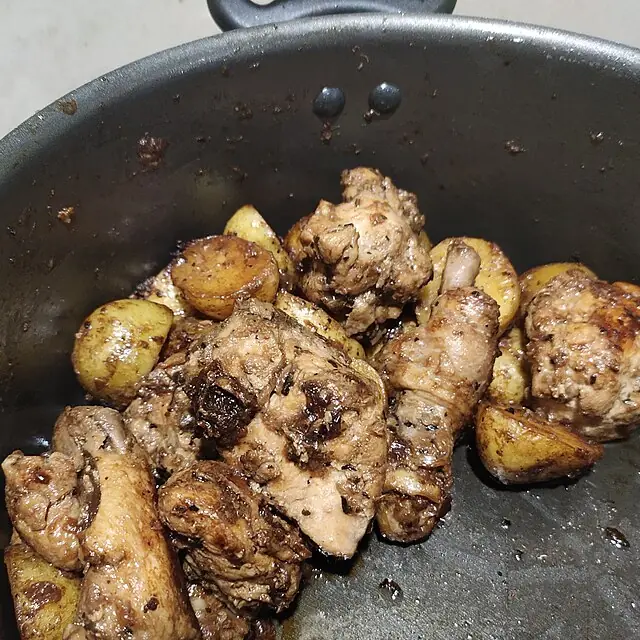
San Jose has one of the largest Filipino populations in the United States, and chicken adobo, the national dish, appears at Filipino potlucks and community gatherings across the East Side and Berryessa neighborhoods.
Price: $13-18
San Jose's Vietnamese corridor on Story Road produces some of California's most consistent bowls: deep marrow broth, fresh herbs and thin-sliced beef.
History: Vietnamese refugees who arrived in San Jose after 1975 brought pho north from Saigon and built the Little Saigon corridor on Story Road into the largest Vietnamese commercial district in California. By the 1990s Story Road had more pho shops per mile than anywhere outside Vietnam, and the broth style here leans toward the southern Vietnamese clear-but-rich tradition rather than the cloudier northern style.
Where to try it: Pho Ha Noi, Pho 90 Degree
Watch out for: Gluten
San Jose's Vietnamese bakeries stuff baguettes with pate, pickled daikon and sliced pork in a form that has barely changed since the community arrived in 1975.
History: The French left Indochina with two lasting food contributions: the baguette and the taste for liver pate. Vietnamese bakers absorbed both and created banh mi, adding pickled carrots, daikon, cilantro and chilli to build a sandwich unlike anything in either France or traditional Vietnam. San Jose's Little Saigon corridor became one of the earliest and largest banh mi markets outside Vietnam, with counters on Story Road selling sandwiches for under two dollars through the 1980s.
Where to try it: Pho Ha Noi, Com Tam Dat Thanh
Watch out for: Gluten, Dairy
Broken rice from South Vietnam, plated with grilled pork chop, shredded pork skin, a fried egg and a bowl of nuoc cham, is San Jose's working lunch.
History: Com tam literally means broken rice, referring to the fractured grains that were historically considered inferior to whole rice and sold cheaply to Saigon's working class. Street vendors and rice-plate shops adopted it as a low-cost, filling base for grilled meats and garnishes, and it became a staple of southern Vietnamese street food culture. When Vietnamese refugees arrived in San Jose after 1975, com tam became a daily staple in East San Jose, with plates served from early morning to mid-afternoon as a breakfast and lunch dish.
Where to try it: Com Tam Dat Thanh
Watch out for: Gluten, Eggs
Falafel's Drive-In on Stevens Creek has served its own falafel tradition since 1966: crispy patties in a soft pita with tahini, tomato and a choice of hot sauce.
History: Falafel's Drive-In opened on Stevens Creek Boulevard in 1966, predating the California fast-food falafel wave by decades. The owners developed a crisper, flatter patty profile than Middle Eastern originals and built a devoted following among San Jose State students and West Side locals. The restaurant has changed little since 1966: the same drive-in format, the same recipe, the same orange-accented signage. It became the unofficial falafel benchmark for the South Bay.
Where to try it: Falafel's Drive-In
Watch out for: Gluten, Sesame
The taco trucks of East San Jose, many family-owned since the 1970s, serve carne asada and al pastor on hand-made corn tortillas with onion, cilantro and salsa roja.
History: East San Jose's Mexican community, which grew rapidly through farm-worker migration from the 1940s through the 1970s, brought the taquero tradition north from Jalisco, Michoacan and Oaxaca. Loncheras and taco trucks began appearing on Alum Rock Avenue and Story Road in the late 1960s, serving construction workers and cannery employees who needed fast, filling food. The trucks evolved into institutions: some families have run the same spots for three generations, and the spit-roasted al pastor preparation remains unchanged.
Where to try it: La Victoria Taqueria San Carlos, Adelita's Taqueria
Adega on Alum Rock Avenue brings Portugal's salt cod tradition, codified during the Age of Discovery from the 1400s onward, to San Jose in preparations that change with the tasting menu but always anchor the kitchen.
History: Bacalhau, dried and salted codfish, has been the defining protein of Portuguese cuisine since the 15th-century Age of Discovery, when Portuguese sailors needed non-perishable protein for voyages to Brazil, Africa and India. Today Portugal claims over 365 bacalhau preparations, one for every day of the year. San Jose has a long Portuguese community history, rooted in the Azorean immigration waves of the 1950s to 1970s when dairy workers and fishermen settled in the South Bay. Adega's chefs David Costa and Jessica Carreira brought the ingredient to the fine-dining level when the restaurant earned its Michelin star.
Where to try it: Adega
Watch out for: Fish
Gilroy, 30 minutes south of San Jose, produces most of California's garlic harvest, and roasted-garlic preparations reach every level of South Bay cooking.
History: The Santa Clara Valley and Pajaro Valley corridor around Gilroy became the garlic capital of the United States in the 20th century, building on a Chinese immigrant farming tradition that began in the 1880s. The Gilroy Garlic Festival, launched in 1979 by writer Don Christopher and local growers, turned the crop into a regional identity: it now draws 100,000 visitors annually and has inspired garlic versions of dishes from ice cream to pizza. San Jose restaurants routinely source directly from Gilroy farms, and the festival's garlic bread and garlic fries have become templates that spread through every class of South Bay cooking.
Where to try it: Original Joe's, Back A Yard Caribbean Grill Downtown
Japantown San Jose, one of three surviving historic US Japantowns, draws locals to its izakayas and ramen counters on N 6th Street for shareable plates and draft beer.
History: San Jose's Japantown was established in the late 1800s when Japanese farm workers and merchants settled along N 5th and 6th Streets. After Executive Order 9066 forced Japanese-Americans into internment camps in 1942, the community returned after the war to find their neighbourhood partially dispersed, but rebuilt it as a cultural anchor. The izakaya tradition, pubs with small plates and sake, took root in Japantown through the 1970s and 1980s as a social format that combined the community centre function with the pub. Today's Japantown izakayas draw diners from across Silicon Valley.
Where to try it: Kaita Restaurant, Minato Japanese Restaurant
Watch out for: Gluten, Soy, Shellfish
Kumako Ramen on Jackson Street in Japantown has built a reputation as San Jose's most consistent tonkotsu bowl: cloudy pork-bone broth, housemade noodles and a soy-marinated egg.
History: Tonkotsu ramen, the pork-bone broth style from Fukuoka, arrived in the United States through Japanese-American communities on the West Coast in the 1980s. San Jose's Japantown, one of the oldest surviving Japanese-American communities in the country, adopted ramen as its everyday lunch format, with counters on Jackson Street that served tech workers and local residents alike. The tonkotsu style, with its rich, collagen-thick broth and straighter noodles, became the dominant Japantown style and set the flavour expectation for South Bay ramen.
Where to try it: Kumako Ramen Japantown
Watch out for: Gluten, Soy, Eggs
La Victoria Taqueria's fluorescent-orange tomatillo salsa, made to a recipe unchanged since the 1960s, defines a San Jose street food tradition unique to this restaurant.
History: La Victoria Taqueria opened on San Carlos Street in Downtown San Jose and became famous for a proprietary orange-coloured tomatillo and chile sauce that customers now drench over everything on the menu. The sauce, sometimes called salsa naranja, is bottled and sold at the counter and shipped to former San Jose residents across the country. It became the defining condiment of San Jose's Mexican food scene, referenced by locals as a marker of genuine SJ identity. The taqueria's late hours, serving until 03:00, made it the default post-bar stop for Downtown nightlife.
Where to try it: La Victoria Taqueria San Carlos
Before Silicon Valley, the Santa Clara Valley was orchard and vineyard country. Wineries in Morgan Hill and Gilroy still draw San Jose diners for weekend tastings.
History: The Santa Clara Valley was California's premier wine region before Silicon Valley development converted most of its agricultural land to suburbs and office parks in the 1950s through 1980s. The region, known in the 19th century as the Valley of Heart's Delight, had hundreds of vineyards and orchards. A handful of wineries survived, particularly in the hills around Morgan Hill, Gilroy and the Santa Cruz Mountains, and have built reputations for Rhone-style blends, Zinfandel and Chardonnay. San Jose diners making the 30-minute drive to Guglielmo Winery or Kirigin Cellars are following a tradition older than the tech industry.
Where to try it: Ozumo Santana Row, District
Watch out for: Sulfites
San Jose has one of the largest Filipino populations in the United States, and chicken adobo, the national dish, appears at Filipino potlucks and community gatherings across the East Side and Berryessa neighborhoods.
History: The Philippines' national dish predates Spanish colonisation, though the name 'adobo' is Spanish for seasoning. Filipino cooking uses vinegar and soy sauce as preservation and flavouring agents rather than the oil-based Spanish adobo. San Jose has had a significant Filipino community since the mid-20th century, with major immigration waves following the Philippine Nurses Act of 1948 and the Immigration Act of 1965. By the 2020s San Jose had the largest concentration of Filipino-Americans in any US city outside Hawaii, and chicken adobo anchors Filipino family cooking across East San Jose and Berryessa.
Watch out for: Soy

Day trip · 9 hours
Explore and relish the enchanted day trip to California's famous wine country on this full-day tour of Napa and Sonoma County.

2 hours
Learn how to make your own nigiri and seafood rolls from scratch in this hands-on class with Chef Elham. Cook spicy edamame, prep sushi rice, and roll it with a variet...

2 hours
Cook a 3-course Chinese-Californian meal in San Jose. Make dragon cauliflower, pineapple chicken and rainbow fried rice with Chef Parsati.
San Jose's signature dishes include Pho, Banh mi, Com tam, California-style falafel wrap, East San Jose taco. See our signature dishes chapter for where to eat each.