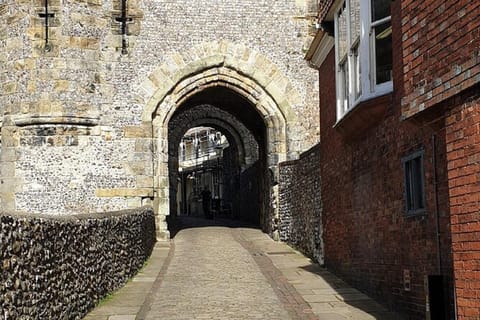
Guided tour · 10 hours
Southampton: Cruise Ship Pickup Private Tour
We offer unique private tours. Using a luxury vehicle. We can collect you from London conduct a tour and drop you at your cruise ship or Airport.
from$1,314 Check dates
How Rochester came to eat the way it does: the people, migrations and accidents that shaped the plate.
How Rochester came to eat the way it does: the people, migrations and accidents that shaped the plate.
Rochester earned the nickname Flour City by 1838, when it was the largest flour-producing city in the United States. The Genesee River's waterfalls powered more than twenty mills grinding wheat into flour for eastern markets. The Erie Canal, completed in 1825, gave Rochester access to Great Lakes grain and Atlantic ports, cementing the city's role as the nation's first significant industrial food production center. When the wheat belt moved west, the Flour City era ended, but the milling infrastructure shaped Rochester's industrial identity and the founding of Wegmans decades later.
C. Wilhelm and Josephine Zweigle opened a butcher shop on the corner of Joseph Avenue and Kelly Street in Rochester in 1880. Their descendant operation became famous for two products: red hots, a snappy beef-and-pork frankfurter in natural casing, and white hots, an uncured veal-and-pork version descended from German Weisswurst. Zweigle's white hots became a Rochester culinary identity marker distinct from the rest of New York State. The fifth-generation family business still operates out of Plymouth Avenue.
John Wegman opened the Rochester Fruit and Vegetable Company as a small produce cart in 1916, founding what would grow into one of America's most admired supermarket chains. By the 1930s the family had opened a large grocery at 44 Rochester markets, pioneering prepared foods sections, in-store bakeries, and eventually cooking schools. Rochester serves as Wegmans' headquarters and innovation lab; the Pittsford location features an in-store flour mill reviving the Flour City heritage.
Alexander Tahou, a Greek immigrant, opened West Main Texas Hots in 1918 at 320 W. Main Street in Rochester. His son Nick gave the restaurant its current name and developed the Garbage Plate: a base of home fries or macaroni salad topped with meat sauce, your choice of cheeseburgers, white hots, or red hots, plus mustard and raw onion. Nick Tahou Hots trademarked the Garbage Plate name in 1991; many Rochester restaurants sell plate variants under other names. The original counter has operated continuously since 1918.
Chicken French, an egg-battered chicken cutlet in a lemony white wine or sherry sauce, became a Rochester Italian-American standard in the 1970s. The dish is widely attributed to the now-closed Brown Derby restaurant on Monroe Avenue but was adopted by dozens of Italian-American restaurants across the metro area. It appears on menus across Rochester that have no Italian connection, having become a city-specific comfort dish as distinct to Rochester as the Garbage Plate.
Rohrbach Brewing Company opened in 1991 as Rochester's first craft brewery, establishing the city's brewing revival. Three Heads Brewing, Swiftwater Brewing, Strangebird, Genesee Brew House's pilot program, and a wave of brewpubs followed over the next two decades. Genesee Brewing, which has operated since 1878, relaunched its Brew House as a pilot craft taproom, giving the city's oldest operating brewery a craft-beer face. Rochester now supports over a dozen independent breweries within Monroe County.
Rochester sits at the northern gateway to the Finger Lakes wine region, home to over 100 wineries producing Riesling, Gewurztraminer, Cabernet Franc, and Pinot Noir. As Finger Lakes wine gained national recognition through the 2010s, Rochester developed its own urban wine culture: Living Roots Wine and Co opened as the city's first urban winery in the Neighborhood of the Arts, sourcing from both the Finger Lakes and South Australia. Carnegie Cellars and a wave of curated wine bars brought Finger Lakes bottles to neighborhood tables across the city.
Guided tour · 10 hours
We offer unique private tours. Using a luxury vehicle. We can collect you from London conduct a tour and drop you at your cruise ship or Airport.
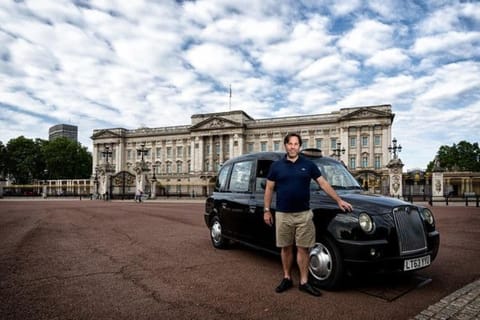
Private tour · 3 hours
Embark on a captivating journey through the heart of London in the comfort of a modern black cab. Visit the city’s most iconic landmarks. Enjoy up to 50 of Londons top sights

Private tour · 2 hours
Discover gorgeous fascinating Rochester on this in-depth 2hr walking tour with a qualified local Blue Badge guide. Learn about its long & surprising importance in Engl...