The plates that define Key West. what they are, where they came from, and where to eat the canonical version.

Signature dishes

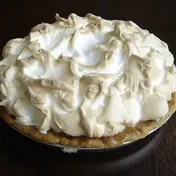
Key lime pie ★ 4.9

A no-bake custard of sweetened condensed milk, egg yolks and key lime juice set in a graham or pastry crust, finished with meringue or whipped cream. Key West's argument in dessert form.

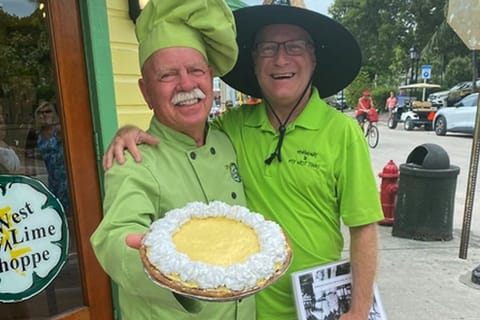
Where: Kermit's Key West Key Lime Shoppe, Key West Key Lime Pie Co, Blue Heaven, Moondog Cafe & Bakery, Old Town Bakery

Price: $8-12 a slice

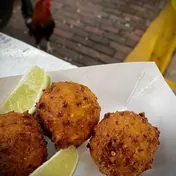
Conch fritters ★ 4.8

Ground queen conch folded into a peppery batter with onion and sweet pepper, dropped into hot oil and served with a key lime or mustard dipping sauce. The Bahamian dish that named the island's people.

Where: The Conch Shack, Conch Republic Seafood Company, Louie's Backyard

Price: $12-18

Cracked conch ★ 4.6

Conch pounded thin, dredged and flash fried until the edges curl, served with lime and a sharp sauce. The other half of Key West's conch repertoire, and the harder one to cook well.

Where: Conch Republic Seafood Company, B.O.'s Fish Wagon

Price: $18-26

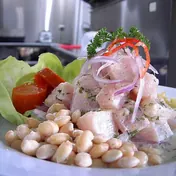
Conch ceviche ★ 4.6

Raw conch diced small and cured in key lime and citrus juice with onion, pepper and tomato until the meat turns opaque and firm. The raw-bar counterpart to the fritter, and the cleaner way to taste the mollusc.

Where: Half Shell Raw Bar, Thirsty Mermaid

Price: $16-22

Key West pink shrimp ★ 4.8

Tortugas pink shrimp, sweeter and firmer than the Gulf browns, boiled in seasoned water and served peel-and-eat with drawn butter and lime. Menus call them pink gold for a reason.

Where: Conch Republic Seafood Company, Half Shell Raw Bar, Hogfish Bar & Grill, Eaton Street Seafood Market

Price: $18-30

Cuban mix ★ 4.8

Roast pork, ham, Swiss, pickle and mustard pressed flat in Cuban bread until the crust shatters. Key West calls it a mix, not a Cubano, and it is a grocery-counter lunch rather than a restaurant plate.

Where: 5 Brothers Grocery & Sandwich Shop, Sandy's Cafe, Cuban Coffee Queen

Price: $10-15

Cafe con leche ★ 4.7

Dark Cuban espresso whipped with sugar into a foam, then let down with hot steamed milk and drunk at a walk-up window. Order a buchi if you want it neat and small.

Where: 5 Brothers Grocery & Sandwich Shop, Sandy's Cafe, Cuban Coffee Queen

Price: $3-6

Hogfish sandwich ★ 4.7

Fried hogfish on Cuban bread with Swiss, mushrooms and caramelised onions. A reef fish that only reaches restaurant tables through spearfishing, and the sandwich a Stock Island bar was built around.

Where: Hogfish Bar & Grill, Cafe Sole

Price: $22-32

Yellowtail snapper ★ 4.7

The Keys reef fish that appears on every serious Key West menu, usually pan-sautéed whole or filleted and finished with a fruit salsa, a citrus butter or a curry. Delicate, sweet and easy to overcook.

Where: Cafe Marquesa, Seven Fish, The Flaming Buoy Filet Co

Price: $32-46

Bollos ★ 4.5

Black-eyed pea fritters, the peas soaked and ground raw with garlic, onion and scotch bonnet, then dropped into hot oil. A Cuban street snack that Key West adopted and very nearly lost.

Where: 5 Brothers Grocery & Sandwich Shop

Price: $4-8

Grits and grunts ★ 4.4

Small fried fillets of white grunt served over cooked grits, eaten at breakfast. The Depression-era Conch household meal, now more often found in Key West's history than on its menus.

Price: Rarely on menus

Florida spiny lobster ★ 4.6

Clawless Caribbean spiny lobster, all tail meat, split and grilled or steamed with butter. Season opens on 6 August and Key West throws a festival at it later that month.

Where: A&B Lobster House, Conch Republic Seafood Company, Eaton Street Seafood Market

Price: $38-60

Key lime pie

A no-bake custard of sweetened condensed milk, egg yolks and key lime juice set in a graham or pastry crust, finished with meringue or whipped cream. Key West's argument in dessert form.

History: Nobody has documented who baked the first one. The Curry Mansion in Key West credits Aunt Sally, the cook for salvage millionaire William Curry (1821-1896), with making the pie in the late 1800s. A competing account, held by local historians, gives it to Key West sponge fishermen, who carried tinned sweetened condensed milk to sea and combined it with egg yolks and key lime juice, the acid setting the custard without an oven. Both stories are told locally as fact and neither is proven; the first written recipes only appear in the 1930s. Florida made key lime pie the official state pie on 1 July 2006.

Where to try it: Kermit's Key West Key Lime Shoppe, Key West Key Lime Pie Co, Blue Heaven, Moondog Cafe & Bakery, Old Town Bakery

Watch out for: Dairy, Eggs, Gluten

Conch fritters

Ground queen conch folded into a peppery batter with onion and sweet pepper, dropped into hot oil and served with a key lime or mustard dipping sauce. The Bahamian dish that named the island's people.

History: Bahamian settlers, many arriving from the Abacos and Eleuthera through the 19th century, brought conch to Key West along with the word Conch itself, still the local term for anyone born on the island. Conch was cheap protein hauled from the flats. Florida's fishery could not survive the demand: harvest in Key West alone reached 250,000 conch a year in the 1960s, and after a moratorium in 1978 the state banned all queen conch harvest in 1985. Every fritter sold in Key West today is made from imported meat, mostly from Honduras, Belize and Jamaica, which is why menus say Bahamian style rather than local.

Where to try it: The Conch Shack, Conch Republic Seafood Company, Louie's Backyard

Watch out for: Shellfish, Gluten, Eggs

Cracked conch

Conch pounded thin, dredged and flash fried until the edges curl, served with lime and a sharp sauce. The other half of Key West's conch repertoire, and the harder one to cook well.

History: Cracked refers to the mallet work, not the batter: Bahamian cooks beat the muscle until the fibres break down, which is the only way to get a tender result from a mollusc built to live inside a fortress. The technique arrived with Bahamian settlers in the 1800s and stayed on Key West menus long after the local fishery closed. Since Florida's 1985 harvest ban the meat has been imported from the Caribbean, and the difference between a good plate and a bad one is entirely in the pounding. Conch Republic Seafood Company serves it with an orange horseradish marmalade; B.O.'s Fish Wagon fries it in a driftwood shack at Caroline and William.

Where to try it: Conch Republic Seafood Company, B.O.'s Fish Wagon

Watch out for: Shellfish, Gluten

Conch ceviche

Raw conch diced small and cured in key lime and citrus juice with onion, pepper and tomato until the meat turns opaque and firm. The raw-bar counterpart to the fritter, and the cleaner way to taste the mollusc.

History: The Bahamian version is called conch salad and is chopped to order on the dock, the shell opened, the meat scored and the lime squeezed in front of you. Key West raw bars adapted it into a ceviche served in a glass, a form that also travelled up from the Cuban and wider Caribbean tradition of curing seafood in acid. Half Shell Raw Bar on the Margaret Street docks calls its version the ultimate treat and has built a reputation on it. Since the 1985 Florida harvest ban the conch is imported, so the citrus, not the provenance, is what distinguishes one kitchen's bowl from another's.

Where to try it: Half Shell Raw Bar, Thirsty Mermaid

Watch out for: Shellfish

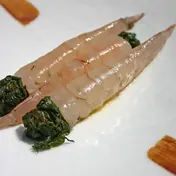
Key West pink shrimp

Tortugas pink shrimp, sweeter and firmer than the Gulf browns, boiled in seasoned water and served peel-and-eat with drawn butter and lime. Menus call them pink gold for a reason.

History: Vast beds of pink shrimp were found in Gulf waters off Key West in 1949, and the seaport filled with trawlers almost overnight in what the island still calls the pink gold rush. Hundreds of boats worked out of the Bight through the 1950s and 1960s, and the fleet reshaped the waterfront that is now the Historic Seaport. Catches fell in the 1980s and the last dealers left the Bight by 1989, moving the working fleet across to Stock Island, where it still lands shrimp today. The Florida Keys Seafood Festival at Truman Waterfront Park each February is run by the fishermen themselves.

Where to try it: Conch Republic Seafood Company, Half Shell Raw Bar, Hogfish Bar & Grill, Eaton Street Seafood Market

Watch out for: Shellfish, Dairy

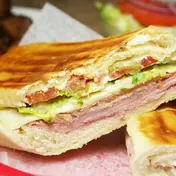
Cuban mix

Roast pork, ham, Swiss, pickle and mustard pressed flat in Cuban bread until the crust shatters. Key West calls it a mix, not a Cubano, and it is a grocery-counter lunch rather than a restaurant plate.

History: Cuban cigar workers crossed from Havana to Key West from the 1860s and made the island a cigar capital before the industry moved on to Tampa. What stayed behind was the food: the pressed sandwich, the coffee window, the bakery bread. In Key West the sandwich is ordered as a mix, and the places that make it best are corner groceries rather than restaurants. 5 Brothers Grocery has pressed them at Southard and Grinnell since 1978 and is the counter the island sends you to for a mix, and Sandy's Cafe works from a window attached to a working laundromat on White Street.

Where to try it: 5 Brothers Grocery & Sandwich Shop, Sandy's Cafe, Cuban Coffee Queen

Watch out for: Gluten, Dairy, Mustard

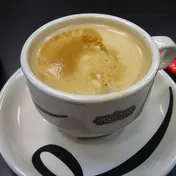
Cafe con leche

Dark Cuban espresso whipped with sugar into a foam, then let down with hot steamed milk and drunk at a walk-up window. Order a buchi if you want it neat and small.

History: The coffee window came over with the cigar workers and never left. Key West drinks it Cuban style: the sugar is beaten into the first drops of espresso to make the espumita, the sweet crema that sits on top, and the whole thing is served at a hatch onto the street rather than at a table. 5 Brothers Grocery pours it at Southard and Grinnell alongside the sandwich counter, Sandy's Cafe opens its White Street window at 05:00, and Cuban Coffee Queen has grown from one muralled window by the Bight into several sites plus its own roastery.

Where to try it: 5 Brothers Grocery & Sandwich Shop, Sandy's Cafe, Cuban Coffee Queen

Watch out for: Dairy

Hogfish sandwich

Fried hogfish on Cuban bread with Swiss, mushrooms and caramelised onions. A reef fish that only reaches restaurant tables through spearfishing, and the sandwich a Stock Island bar was built around.

History: Hogfish is taken by spear rather than net or hook, which keeps it local, seasonal and expensive; the name comes from the long pig-like snout the fish uses to root along the sea floor. The Hogfish Bar & Grill sits on the Safe Harbor docks on Stock Island beside the working fleet, and is built around one item: the Killer, fresh hogfish with mushrooms and Swiss cheese on Cuban bread, priced at $25 in 2026. Cafe Sole on Southard Street has served hogfish since it opened in 1995, plated rather than sandwiched, which is the fine-dining end of the same fish.

Where to try it: Hogfish Bar & Grill, Cafe Sole

Watch out for: Fish, Gluten, Dairy

Yellowtail snapper

The Keys reef fish that appears on every serious Key West menu, usually pan-sautéed whole or filleted and finished with a fruit salsa, a citrus butter or a curry. Delicate, sweet and easy to overcook.

History: Yellowtail runs the reef line off the Keys year round and has been the local restaurant fish since long before the shrimp boats arrived. It is what Key West kitchens reach for when a menu says local catch, and each of the island's dining rooms treats it as a signature: Cafe Marquesa serves it crisp with shoestring potatoes, Seven Fish finishes it with a Thai curry sauce, and The Flaming Buoy Filet Co pairs it with banana salsa. The variation between those three plates is a fair summary of how Key West cooks: Caribbean fruit, Asian heat and old-school technique on the same fish.

Where to try it: Cafe Marquesa, Seven Fish, The Flaming Buoy Filet Co

Watch out for: Fish, Dairy

Bollos

Black-eyed pea fritters, the peas soaked and ground raw with garlic, onion and scotch bonnet, then dropped into hot oil. A Cuban street snack that Key West adopted and very nearly lost.

History: Bollos, or bollitos, came to Key West with the Cuban cigar-working community and were once cried through the streets from carts, the way they had been in Havana. Keys Weekly calls the bollo the most original Key West food. They are not a cooked-bean fritter: the peas are soaked and then ground raw, so the texture is light and slightly grainy rather than mashed. The vendors have gone and only a handful of counters still make them, 5 Brothers Grocery among them. Chef Norman Van Aken published a Key West version in My Key West Kitchen, which is the recipe most home cooks work from.

Where to try it: 5 Brothers Grocery & Sandwich Shop

Grits and grunts

Small fried fillets of white grunt served over cooked grits, eaten at breakfast. The Depression-era Conch household meal, now more often found in Key West's history than on its menus.

History: A grunt is a small reef fish that makes an audible grunting noise by grinding its teeth. Anyone with a line could catch one off a Key West dock, and grits were cheap, so the pair became the everyday Conch breakfast through the early 20th century and especially through the Depression. The dish is a marker of Key West identity rather than a restaurant speciality: Stetson Kennedy titled his book of Key West folklore Grits and Grunts. It is rarely on a menu today, which makes it the dish visitors are most likely to have to cook themselves.

Watch out for: Fish, Dairy

Florida spiny lobster

Clawless Caribbean spiny lobster, all tail meat, split and grilled or steamed with butter. Season opens on 6 August and Key West throws a festival at it later that month.

History: Spiny lobster carries no claws, so the eating is entirely in the tail, and the Keys fishery works traps rather than pots. Florida sets the regular season from 6 August to 31 March, with a two-day sport season on the last consecutive Wednesday and Thursday of July that fills the Keys with boats. Key West Lobsterfest has marked the opening each August since the 1990s, reaching its 28th edition in 2026, with a lobster boil and a street fair across the lower blocks of Duval. Restaurant menus mark the same calendar: order it in autumn, not in June.

Where to try it: A&B Lobster House, Conch Republic Seafood Company, Eaton Street Seafood Market

Watch out for: Shellfish, Dairy

Signature Dishes in Key West, FAQ

What food is Key West known for?

Key West's signature dishes include Key lime pie, Conch fritters, Cracked conch, Conch ceviche, Key West pink shrimp. See our signature dishes chapter for where to eat each.

← Back to Key West food guide