What is in season in Charleston. and what to order when the market changes.
Spring
- South Carolina strawberries: South Carolina strawberries open the spring market in April and run through May; you-pick farms in Mt Pleasant and Awendaw feed the Charleston Farmers Market on Saturday mornings.
- Vidalia onions and spring alliums: Vidalia onions from neighbouring Georgia (April through early September) and South Carolina spring onions hit Charleston Farmers Market and FIG's pantry in April.
- Asparagus and spring greens: Lowcountry asparagus and spring greens run March through May; Husk and Chez Nous use them on the daily-changing menu through the season.
- Soft-shell crab: Lowcountry soft-shell crab season opens late April and runs through early summer; Hank's Seafood and 167 Raw run them as nightly specials.
Summer
- Wild South Carolina shrimp: South Carolina shrimp season runs May through August for browns and September through December for whites; ask for wild Carolina shrimp at the Charleston Farmers Market dockside stalls.
- South Carolina peaches: South Carolina is the second-largest US peach producer; peaches run June through August at Charleston Farmers Market, with July the peak month for Cherokee and McLeod orchard fruit.
- Heirloom tomatoes: Lowcountry tomato season runs June through August, peaking in July. Cherokee Purple and German Johnson dominate Charleston Farmers Market and Husk's tomato sandwich week.
- Sweet corn and okra: South Carolina sweet corn and okra peak July through September; FIG, Husk and Lewis Barbecue work them into the summer menu in succotash, slaws and stews.
- Watermelon and Carolina Gold rice: Watermelon peaks July and August across the Lowcountry; Carolina Gold rice, the state heritage grain, is harvested late summer through October.
Autumn
- Lowcountry oysters: South Carolina wild oyster season opens October 1 and runs through April; the tradition is to eat oysters only in months with an R. Bowens Island and 167 Raw run weekly oyster roasts.
- Sweet potatoes: South Carolina sweet potatoes ripen September through November; the Beauregard and Jewel varieties anchor fall menus at Husk, FIG and Edmund's Oast.
- Apples and muscadine grapes: Upstate South Carolina apples and Lowcountry muscadines arrive September through November; Charleston Farmers Market stocks cider, jellies and fresh fruit through autumn.
- Collards and turnips: Cool-weather collards, turnip greens and mustard greens come back to Charleston Farmers Market in October and run through winter; the Hominy Grill tradition lives on at Husk and Bertha's.
Winter
- Oyster roasts: Lowcountry oyster roast season peaks December through February; Bowens Island and the South Carolina Aquarium hold communal-table roasts most weekends, the classic Charleston winter outdoor meal.
- Citrus from Florida and south Georgia: Satsuma mandarins and Meyer lemons appear at Charleston Farmers Market from December; brought up from south Georgia and Florida, they anchor the city's winter pastry counters.
- Hoppin' John and Sea Island red peas: Hoppin' John, the Sea Island red pea and Carolina Gold rice combination, is the canonical New Year's Day Lowcountry plate; Anson Mills and Marsh Hen Mill supply the heritage ingredients.
- Winter root vegetables: Carrots, beets and rutabagas dominate Charleston Farmers Market November through February; Husk and Chez Nous run them into roasted vegetable sides and braises through the cold months.
Seasonal: tours, tastings and classes in Charleston
Guided tour · 2 hours
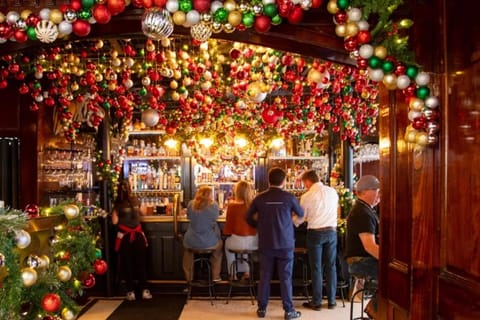
Immerse yourself in Charleston's nightlife on this holiday craft beer and cocktails tour, celebrating the city’s festive spirit, rich history, and unmistakable Southern charm.
Guided tour · 2.5 hours
Explore Charleston's City Market in the historic downtown district on a guided foodie walking tour. Learn about the city's history while enjoying tastings of Lowcountr...
Guided tour · 2.5 hours
Experience the flavors of Charleston with the help of local guides. Delve into over 300 years of culinary history as you taste your way through the historic city center.
See all 166 bookable experiences in Charleston