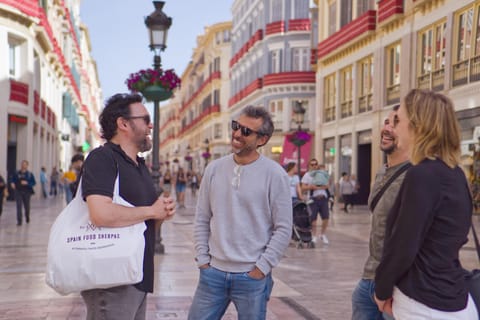
Guided tour · 3.5 hours
Málaga: Wine & Tapas Tour
Take a culinary tour through Málaga and enjoy the exceptional flair of Spain. Sample some fine wines of the regions and a few original tapas creations.
from€69 Check dates
Also: Food History in Malaga
How Málaga came to eat the way it does: the people, migrations and accidents that shaped the plate.
How Málaga came to eat the way it does: the people, migrations and accidents that shaped the plate.
Málaga was founded by Phoenicians around 770 BC as a fishing and salting port, and the Romans industrialised it. The city exported garum, a prized fermented fish sauce, and salted fish across the empire from factories whose ruins still sit under the modern centre.
Under Moorish rule Málaga became famous for its Pedro Ximénez and Moscatel vineyards, dried fruit and raisins. The muscatel grape planted across the Axarquía in this period still defines Málaga's barrel-aged sweet wines and its World Agricultural Heritage raisin trade today.
From the 19th century Málaga's fishing villages of El Palo and Pedregalejo turned beached boats into grills, threading sardines onto cane skewers over driftwood embers. The espeto became the city's defining ritual and spread along the whole Costa del Sol coastline.
Guided tour · 3.5 hours
Take a culinary tour through Málaga and enjoy the exceptional flair of Spain. Sample some fine wines of the regions and a few original tapas creations.
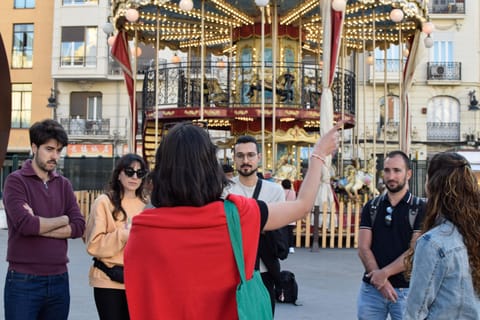
Guided tour · 3.5 hours
Savour 10+ Andalusian tastings in Malaga’s Old Town. Explore Atarazanas Market, taste local sweets, seafood, and wine, and discover the city’s vibrant food culture wit...
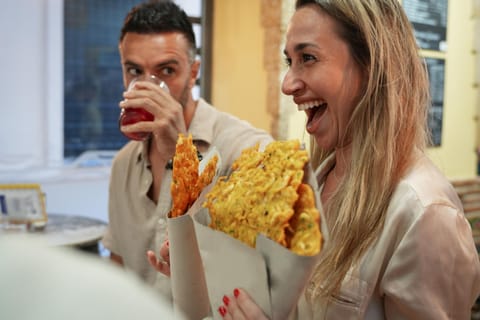
Guided tour · 3 hours
Discover Málaga on a 3-hour tapas crawl through 4 unique local bars. Taste around 10 dishes with 4 drinks while experiencing the city’s food culture, hidden gems and i...