The plates that define Lagos: what they are, where they came from, and where to eat the canonical version.
Signature dishes
-
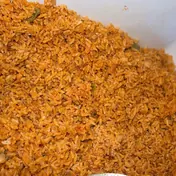
Jollof Rice
Jollof is rice cooked in one pot in a pureed tomato and Scotch bonnet sauce. In Lagos it is the go-to party dish, and Nigerian cooks use parboiled rice so the grains do not turn mushy.
Where to try it: Jevinik Restaurant, The Nest Lagos, Mama Cass, Mood Lagos
The name comes from the Wolof people, and food historian Fran Osseo-Asare traces the dish to the area of the Jolof Empire, where rice was grown. Its tomatoes and peppers suggest the present form is no older than the 19th century. In the 2010s the rivalry with Ghana over the best jollof became the Jollof wars. Party jollof, cooked outdoors over a wood fire, is prized for its smoky flavour and crusty bottom pot.
-
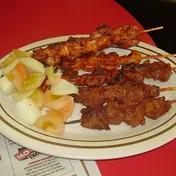
Suya
Suya is thin-sliced beef, goat or chicken on skewers, rubbed with yaji, a Hausa spice mix of chili, ginger and ground peanut cake, and smoke-grilled. In Lagos it is sold from late evening to midnight.
Where to try it: Ikoyi Glover Court Suya, Bukka Hut, Sooyah Bistro, Lagoon Breeze
Suya is a traditional Hausa dish of northern Nigeria, made by men called mai suya, and it has become a Nigerian national dish. In Lagos it is eaten in clubs and bars with a bottle of cold beer. A popular joke says its real flavour comes from the night and the old newspaper it is wrapped in, so buy it from a street corner between 9 pm and 11 pm. OkayAfrica calls University of Suya, at 62 Allen Avenue, the suya capital of Lagos.
Watch out for: Peanuts (in yaji)
-
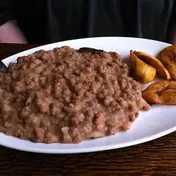
Ewa Agoyin
Ewa agoyin is beans cooked until very soft and mashed, with a stew of dried chilies, onion, ginger, crayfish powder and palm oil. It is eaten with Agege bread, often for breakfast.
The dish is Yoruba and eaten across Yorubaland in Togo, Nigeria and Benin; its proper name is ewa aganyin, and agoyin is a common spelling. Its sauce is known for caramelized onions that give it a sweet taste. With Agege bread, a loaf that originated in Agege in Lagos State, it is a staple breakfast across many Nigerian states and a popular street food. It is similar to adalu, made with beans and corn.
Watch out for: Crustaceans (crayfish), Gluten (in Agege bread)
-

Agege Bread
Agege bread is a sweet, yeasted white wheat loaf from Agege in Lagos State, baked in lidded rectangular pans like a Pullman loaf and sold by street vendors and in markets across Nigeria.
The loaf is named after Agege, a town in Lagos State, and spread from there to other parts of the country. Its Wikipedia entry credits Amos Stanley Wynter Shackleford, a Jamaican who migrated to Lagos in the 20th century, with introducing the bread to Nigeria. It is the usual partner for ewa agoyin, the mashed beans in pepper sauce eaten for breakfast, and is commonly sold on the street.
Watch out for: Gluten (wheat flour)
-
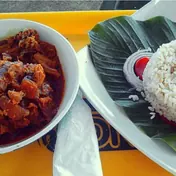
Ofada Rice with Ayamase
Ofada rice is an unpolished local rice named after Ofada in Ogun State, eaten with ayamase, a dark green stew of green peppers with meat, fish and eggs, or with the red ofada sauce.
Where to try it: The Nest Lagos, Mama Cass
Ofada rice is usually a blend that includes African rice, which is harder to polish, so some bran stays on the grain and strengthens the flavour. It is priced above other rice and has been seen as a status symbol served at classy parties, yet it is also sold as street food wrapped in ewe eran leaves. Ayamase is a Yoruba stew popular at owanbe parties, and ofada rice is one of the dishes Lagos is known for.
Watch out for: Fish, Egg, Crustaceans (crayfish in ofada stew)
-
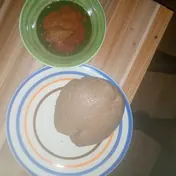
Amala with Ewedu and Gbegiri
Amala is a Yoruba swallow made from yam flour, cassava flour or unripe plantain flour, stirred into a smooth brown dough and served with ewedu and gbegiri, a soup of black-eyed beans.
Where to try it: Mood Lagos, The Nest Lagos
Amala isu, made from dried yam that turns the dough brown, is the most common type, and amala lafun uses cassava flour. The dish originated with the Yoruba of southwestern Nigeria, and amala and ewedu are among the dishes Lagos is known for. Gbegiri is made with brown beans, smoked fish, crayfish and palm oil, and in Ogbomoso, where it is held in great respect, people celebrate a Gbegiri Day.
Watch out for: Fish (in gbegiri), Crustaceans (crayfish in gbegiri)
-
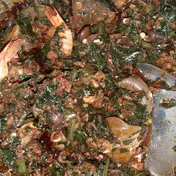
Efo Riro
Efo riro is a Yoruba vegetable soup of leafy greens such as soko and tete, cooked with peppers, onions, palm oil, crayfish, stockfish and meat, and eaten with iyan, eba, amala or fufu.
Where to try it: Ile Iyan by PODs
Efo riro is a native food of the Yoruba of South West Nigeria. It was traditionally prepared with locally grown vegetables, meat, fish and a mixture of spices, and the choice of greens and proteins still varies with taste and what is available. It is a staple in Yorubaland, served at home and at traditional ceremonies, and its popularity has spread across Nigeria and beyond, with many variations.
Watch out for: Fish (stockfish), Crustaceans (crayfish)
-
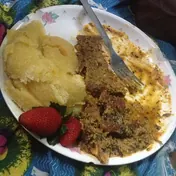
Egusi Soup with Eba
Egusi soup is thickened with ground melon seeds and cooked with vegetables and meat. In Lagos it is eaten with eba, a stiff dough made by soaking garri, a fermented cassava flour, in hot water.
Where to try it: Jevinik Restaurant, Mood Lagos
Egusi are the protein-rich seeds of cucurbit plants such as squash, melon and gourd, dried and ground, and a major ingredient in West African cooking. Eba is made by soaking garri, a granular flour of fermented cassava, in hot water and kneading it with a wooden baton until it is smooth. The Lagos Wikipedia entry names eba and egusi first among the indigenous delicacies the city is known for.
-
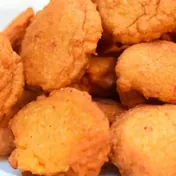
Akara
Akara are fritters of peeled black-eyed peas ground with pepper and onions, beaten to aerate them and deep-fried in small balls, sold on Lagos streets early in the morning or late at night.
Akara originated with the Yoruba of Nigeria, Benin and Togo, and enslaved Yoruba took it to Brazil, where it became acarajé in Bahia; the Brazilian name is said to come from a phrase meaning come and eat akara, the call of women selling it on the street. Akara fried in palm oil is called akara elepo, but vegetable oil is more common for street akara. It is eaten with bread, custard or ogi.
Watch out for: Egg (in some recipes)
-
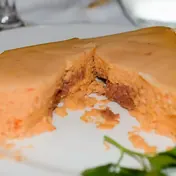
Moin Moin
Moin moin is a steamed pudding of washed, peeled and ground beans with onions, fresh red peppers and spices, often with fish, eggs or crayfish, set in ewe eran or banana leaves.
Where to try it: Jevinik Restaurant, Mama Cass
A protein-rich Yoruba food, moin moin is eaten across Yorubaland and by Brazilians of Yoruba descent, who call it abará. Its pyramid shape comes from the broad ewe eran leaf folded into a cone in the palm. In Lagos it is eaten as a snack or as a side to jollof rice, and rather than being sold on street corners it is usually hawked by sellers who wrap it in banana leaves or tin foil.
Watch out for: Fish, Egg, Crustaceans (crayfish)
-
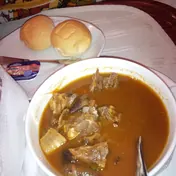
Pepper Soup
Pepper soup is a light, watery and spicy soup of goat, fish, chicken or tripe cooked with chili peppers, scent leaves and calabash nutmeg, and in Nigeria it is often paired with a cold beer.
Where to try it: Jevinik Restaurant, Natives Restaurant, Mood Lagos
Pepper soup is eaten in Nigeria and Cameroon, and its flavour goes beyond heat, with nutty, bitter, woodsy and floral notes. It is served as an appetizer at official gatherings but is more popular at pubs, and in Nigeria it is a feel good dish of leisure spots. Riverine people treat it as a delicacy, and some West Africans believe the soup has medicinal qualities.
Watch out for: Fish, Crustaceans (shrimp in some versions)
-
Frejon
Frejon is a pudding of black beans cooked slowly overnight and mixed with coconut milk, eaten on Good Friday with fish stew, peppered snail and garri Ijebu, above all on Lagos Island.
The name comes from the Portuguese feijão, beans. In Nigeria frejon is eaten especially by Yoruba who returned from Brazil at the abolition of the slave trade and settled in the Brazilian Quarters on Lagos Island. Because meat and dairy are forbidden on Good Friday, it goes with fried fish and peppered snail, and it is also served at weddings. Some cooks add pepper, crayfish, tomatoes or sugar.
Watch out for: Coconut, Fish and molluscs (in the fish stew and snail served with it)
Signature Dishes in Lagos, FAQ
What food is Lagos known for?
Lagos's signature dishes include Jollof Rice, Suya, Ewa Agoyin, Agege Bread, Ofada Rice with Ayamase. See our signature dishes chapter for where to eat each.