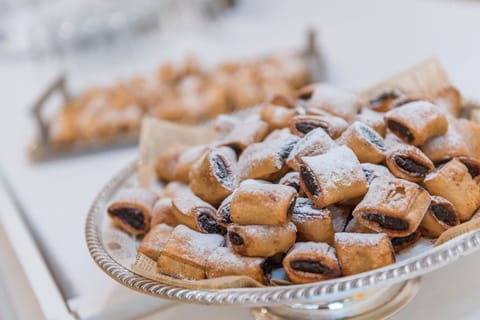
How Mdina came to eat the way it does: the people, migrations and accidents that shaped the plate.
Key eras
-
Phoenician Ann and Roman Melite (8th century BC onward)
A Phoenician colony known as Ann was established around the 8th century BC on the plateau where Mdina stands, and the Romans later renamed the town Melita. Greco-Roman Melite was larger than present-day Mdina, and a north-western part of Rabat was in the Roman city until its medieval retrenchment.
-
Arab period and the refounding of Madīnah (to the 11th century)
Mdina was reduced to its present size during the period of Byzantine or Arab rule and was refounded in the 11th century as Madīnah, from which its name derives. Arab and Italian, specifically Sicilian, foods exerted a strong influence on Maltese cooking.
-
The Knights of St John and the Silent City (from 1530)
The Order of St John made Birgu its capital in 1530, and Mdina has never regained its earlier importance. The Knights hailed from many European countries, particularly France, Italy and Spain, and the stuffat tal-fenek rabbit stew quite possibly began as symbolic resistance to their hunting restrictions.
Taste it todayStuffat tal-Fenek -
British garrison (20th century)
The British military presence meant a market of a garrison and their families. During the mid-20th century soldiers stationed in nearby Mtarfa gathered at Rabat's Is-Serkin pastizzerija, which they nicknamed Crystal Palace after an area of London.
Immigrant influences
- Arab
- Arab foods exerted a strong influence on Maltese cooking, and the name Mdina itself comes from the Arabic word madīnah, meaning town or city.
- Sicilian and Italian
- Italian influences are strong, and special occasions bring timpana, a rich pasta baked in a pastry case, along with ricotta-filled kannoli.
- French, Provençal and Spanish
- The Knights brought French, Italian and Spanish influence, and aljotta, a fish broth with garlic, herbs and tomatoes, is the Maltese adaptation of bouillabaisse.
- British
- English mustard, Bovril, HP Sauce and Worcestershire sauce remain a subtle but pervasive presence in Maltese cooking.
Signature innovations
- Stuffat tal-fenek, the rabbit stew often identified as the national dishTaste it todayStuffat tal-Fenek
- Pastizzi, folded down the middle for ricotta and down the side for peas so the filling can be told apartTaste it todayPastizzi
- Qagħaq tal-għasel, honey and treacle rings made for Christmas and now baked all year roundTaste it todayQagħaq tal-Għasel
- Ġbejna tan-nagħaġ, the first registered Geographical Indication for a Maltese food productTaste it todayĠbejna
Book food experiences in Mdina