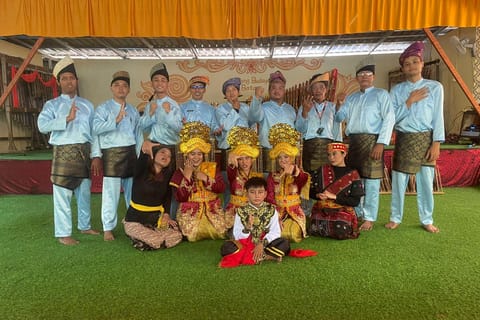
How Batam came to eat the way it does: the people, migrations and accidents that shaped the plate.
Key eras
-
Orang Laut and the sea (from 231 CE)
The first recorded inhabitants of Batam were the Orang Laut, Malays known from the year 231 CE, nomads who depend on the sea for their livelihood. The Orang Darat, remnants of a pre-Malay population, live in the interior forests of Rempang.
-
Belakang Padang and the fishing islands (before the 1970s)
Before Batam grew, the nearby island of Belakang Padang was the district centre for the small islands around it, and its people lived mainly from fishing. In the 1960s the Indonesian government kept a petroleum logistics base on Sambu Island.
-
Industrial island (1970s onwards)
A 1973 presidential decree made Batam an industrial zone, meant to become an Indonesian version of Singapore, and Japanese engineers who came in the 1970s gave Nagoya its name. The Jakarta Post noted that in the early industrial years there were few places to eat and cooking relied on fish, shrimp, squid and gonggong.
Taste it todayGonggong -
Migrant city and Singapore visitors (2000s onwards)
Two thirds of Batam's people are migrants, and in 2000 Malays made up 26.78%, Javanese 17.61%, Batak 14.97%, Minangkabau 14.93% and Chinese 6.28%. In 2014, 58.8% of foreign tourists came from Singapore, and Love Seafood calls its crab, lobster and spicy steamboat favourites of Batam residents and Singapore guests.
Immigrant influences
- Malay
- Malay cooking gives Batam nasi lemak, rice cooked with coconut milk and pandan leaves, and makan berhidang, a meal set out on trays under a tudung saji cover, served with lakse, mie lendir and luti gendang.
- Chinese
- Hokkien, Cantonese, Teochew and Hainanese are spoken in Batam, and bak kut teh, rib soup in a herbal broth, is a city dish. A story credits a Chinese traveller with naming gonggong: gong is Hokkien for foolish.
- Javanese
- Mie lendir is said to have been first made and sold from a cart by a Javanese trader, Pak Sailun, around 1960, and Martabak Sari Eco in Nagoya sells martabak in the style of Tegal.
- Minangkabau
- Minangkabau made up 14.93% of Batam's people in 2000. Restoran Sederhana, which has served Masakan Padang since 1972, runs branches in Nagoya and Harbour Bay.
- Anambas islanders
- Mie tarempa takes its name from Tarempa, a small town in the Anambas Regency, and luti gendang, a bread filled with fish floss, is also an Anambas dish now sold in Batam coffee shops.
- Middle Eastern traders
- The Jakarta Post writes that prata and martabak originate from the Middle East and have long been staples of Batam cuisine, eaten with coffee and teh tarik.
Signature innovations
- Nasi dagong: Nasi dagong stands for nasi daging gonggong, a local creation of rice with sauteed spicy gonggong, usually wrapped in banana leaves; near the Grand Mosque in Batam Centre a wrap costs IDR 10,000 to 20,000.Taste it todayNasi dagong
- Modern bingka bakar: Bingka bakar, a baked Malay cake of flour, eggs, coconut milk and sugar, now comes in chocolate, cheese and sesame flavours; the tourism ministry calls Bingka Bakar Nayadam the pioneer of the modern style.Taste it todayBingka bakar
- Bilis molen: Bilis molen wraps seasoned anchovies in thin dough and fries them until crunchy, a variation on the molen snack that travels well as a souvenir.
- Gonggong in every seafood set: Gerai Nelayan 2M at Kampung Tua Mentarau began in 2015 with three tables and now seats up to 800; gonggong is in every seafood package, at about Rp 75,000 per person.Taste it todayGonggong
Book food experiences in Batam