
The plates that define Quito: what they are, where they came from, and where to eat the canonical version.
Signature dishes
-
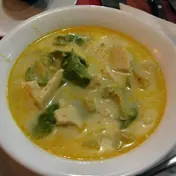
Locro de papa
Locro de papa is a thick potato soup finished with cheese, and the Ministry of Tourism's gastronomic map names it the dish of Quito and Pichincha. Achiote lists locro de papas on its menu.
Where to try it: Achiote
The original lokru was a simple recipe of peeled potatoes cooked in water heated on the tullpa, a stone hearth, and with the Spanish presence cow's milk and cheese were added. Chef Juan Sebastián Gallardo says Quito's food roots go back more than 10,000 years, which may be why locro is the best known dish of the city.
Watch out for: Milk (cheese)
-
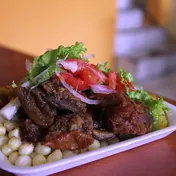
Fritada
Fritada is braised pork from the highlands, cooked in water, orange juice, onion, garlic and cumin until the liquid is gone and the meat browns in its own fat. Achiote lists fritada among its dishes.
Where to try it: Achiote
Wikipedia dates the dish to the colonial era. It is generally served with llapingachos or boiled potatoes, mote, pickled onions and tomato, and fried ripe plantains. Vistazo lists fritada among the traditional foods easy to find in Quito's popular eateries.
-
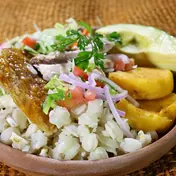
Hornado
Hornado is roast pork with crisp skin, served with potato tortillas, and achiote is the ingredient that sets it apart from its Spanish ancestor.
Its history starts in the 16th century, when the Spanish brought pigs to a continent that had none, and it descends from the cochinillo of Segovia roasted in a wood oven. The Ecuadorian version is rubbed with chicha, onion, garlic and cumin, and uses achiote. Vistazo says the hornado joins Spanish pork with a tortilla made from local potatoes.
Book food experiences in Quito
-
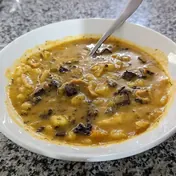
Yahuarlocro
Yahuarlocro is a traditional stew of the Ecuadorian Andes made with lamb's entrails, usually served with fried lamb blood, avocado and pickled red onion rings.
The name comes from the Kichwa word for blood, and the dish is especially linked to Guayllabamba, a rural parish of Quito where El Comercio says locro and yahuarlocro are the local specialities.
Watch out for: Offal and blood
-
Encebollado
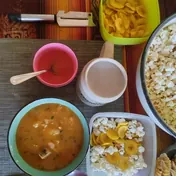
Encebollado is an onion-dressed fish stew served with boiled cassava and pickled red onion, and Floresta Brava in La Floresta lists it at $3.
Where to try it: Floresta Brava
Price: $3
Wikipedia calls it a national dish and says it is most popular on the coast, so in Quito it is a coastal arrival. Restaurants that sell only encebollado start serving in the early morning, and it is popular after a night of drinking as a cure for a hangover.
Watch out for: Fish
-
Cuy asado
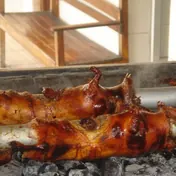
Cuy asado is roast guinea pig, a highland meat in Quito, and Lammhaus in La Floresta raises its own cuyes and lists cuy on the grill menu.
Where to try it: Lammhaus
Cuy is the Andean name for the guinea pig, raised for meat. Vistazo names cuy asado among the dishes that tell Quito's story, and Primicias lists cuy with potatoes in peanut sauce among Sangolquí's typical plates.
-
Papas con cuero
Papas con cuero is a potato dish cooked with pork skin, and the poet Julio Pazos calls it properly from Quito.
Like many national dishes it began with leftovers: the Spanish threw away the pig's skin, Indigenous cooks took it in and added it to their potato dishes, and El Comercio notes that about 500 potato varieties grew in what is now Ecuador in pre-Hispanic times.
-
Mote con cosas finas
Mote con cosas finas is hominy served with a mince of white onion, yellow peas, red beans, carrot and mapahuira, a combination the researcher Julio Pazos credits to Quito.
Although mote is identified with the cooking of Cuenca, Pazos holds that Quito made its own invention by using the grain with the cosas finas, and mapahuira is the mix of fat and spices that Wikipedia describes for fritada.
-
Colada morada
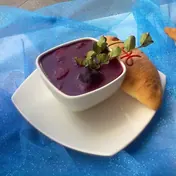
Colada morada is a thick purple drink of corn flour, typical Ecuadorian fruits and spices, drunk with t'anta wawa bread dolls on 2 November, All Souls' Day.
Wikipedia traces it to pre-Columbian times, with the Quitu-Cara culture named as an example, and says the Spanish brought wheat, from which the t'anta wawa was made. It is usually sold in October and November.
Watch out for: Gluten (wheat in the t'anta wawa bread)
-
Canelazo
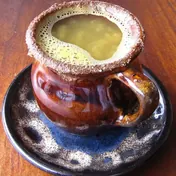
Canelazo is a hot drink made from aguardiente, sold by street vendors during holidays and especially popular during the Fiestas de Quito and Christmas.
Wikipedia says the drink's origins go back to Colombia but it has long been drunk across the Andes. In Quito the Fiestas de Quito bring two smells to the popular dances, skewered meat and canelazo.
Watch out for: Alcohol


Signature Dishes in Quito, FAQ
What food is Quito known for?
Quito's signature dishes include Locro de papa, Fritada, Hornado, Yahuarlocro, Encebollado. See our signature dishes chapter for where to eat each.