

History
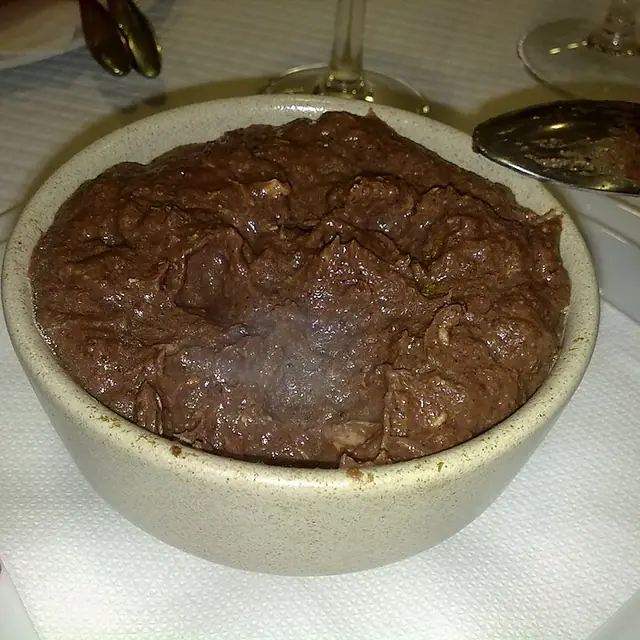
Sarrabulho is one of the oldest surviving dishes of the Minho, documented in monastery records from the 17th century as a way to use the full pig after the November slaughter. The thick corn-flour base absorbs the blood from the fresh slaughter, producing a dark, iron-rich porridge. The dish is made at Bisaro-pig slaughter time (November to January) but is served year-round at Braga tascas. Cruz Sobral and Restaurante Tia Isabel are the two custodian addresses, both making it from scratch on Saturdays with fresh Bisaro blood from farms north of the city.
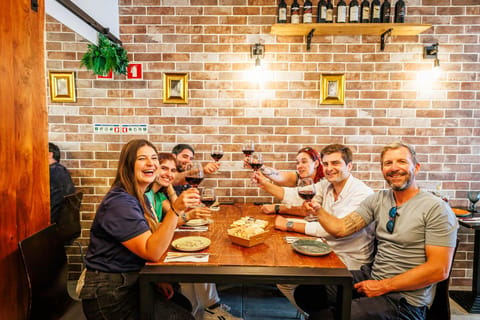
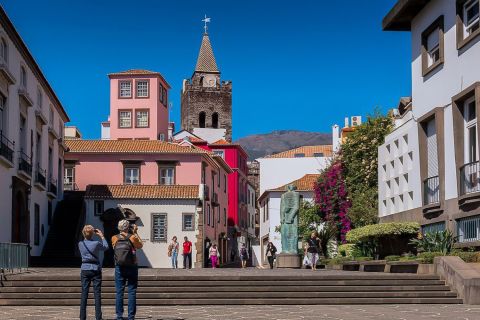
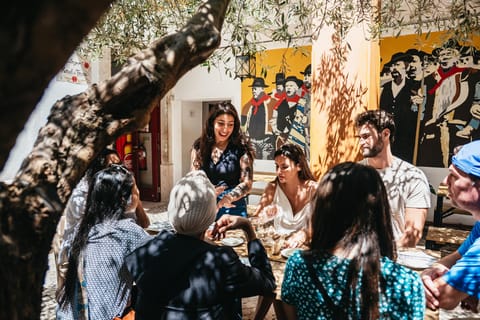
Book a food experience
Tours, tastings and classes from the cities on this page, bookable on GetYourGuide.
Common allergens: Gluten, Egg
Make it at home
Ingredients
- 400g fine maize flour (broa flour)
- 300ml fresh pork blood (from a butcher who slaughters; or canned pigs blood)
- 300g pork shoulder, diced small
- 200g chourica, sliced into coins
- 150g presunto (smoked ham), diced
- 100g pork liver, trimmed and finely diced
- 2 onions, finely chopped
- 6 garlic cloves, minced
- 100ml olive oil
- 1 tablespoon cumin seeds
- 1 tablespoon sweet paprika
- 1 tablespoon wine vinegar
- Salt and black pepper
- 1.5 litres water or light pork stock
Method
- Brown the pork shoulder and liver in olive oil over high heat. Set aside.
- In the same pan, soften onions and garlic until golden. Add chourica and presunto; fry 3 minutes.
- Add cumin and paprika; stir 1 minute. Return the pork and liver to the pan.
- Pour in the stock and simmer covered for 45 minutes until the pork is tender.
- Whisk the maize flour into 500ml cold water until smooth. Pour into the simmering meat pan in a steady stream, stirring continuously.
- Stir the pork blood into the pan. Season with vinegar, salt and pepper.
- Continue stirring over low heat for 15 to 20 minutes until the porridge is thick, dark and glossy.
- Serve in deep bowls with crusty broa bread and a glass of vinho verde.
Tip from the editors. Stir without stopping once the maize flour goes in or it forms lumps. The dish should be dark brown when the blood is fully incorporated and cooked through.
Where to eat papas de sarrabulho
Papas de Sarrabulho in Braga
Restaurante Tia Isabel ★ 4.4
The popular Sunday restaurant of Braga locals: roast kid, stuffed bacalhau and papas de sarrabulho at honest prices away from the tourist centre.
OrderPapas de sarrabulho with bread and a vinho verde at the family table for under €13.
TipSunday lunch fills by 12:30; reserve by phone. Weekday lunch is more relaxed and the same full menu applies, often at slightly faster service.
Cruz Sobral ★ 4.4
Operating since 1926 and run by the Cruz Sobral family's third and fourth generations. The kitchen in Campo das Hortas slow-cooks everything.
Why locals goHidden behind a gate in Campo das Carvalheiras without signage, run by the same family since 1926, with no social media presence.
TipNo reservation system: arrive at noon and wait for a table with the regulars. Sunday lunch 12:00-15:30 only. Cash preferred.
Casa Garrafinha de Jeremias ★ 4.3
An unfashionable family table in Gondizalves with Saturday sarrabulho, bacalhau pataniscas and Braga-style cod. Locals visit weekly without reservation.
Why locals goLocated in a residential back lane in Gondizalves far from the tourist circuit, with no visible exterior signage and a cash-only policy.
TipSaturday sarrabulho sells out by 14:00. The restaurant has been at the same address since 1989 and the family has not needed to advertise since 1992.
More cities are in research. Want papas de sarrabulho covered somewhere specific? Tell us where you want to eat.