


History
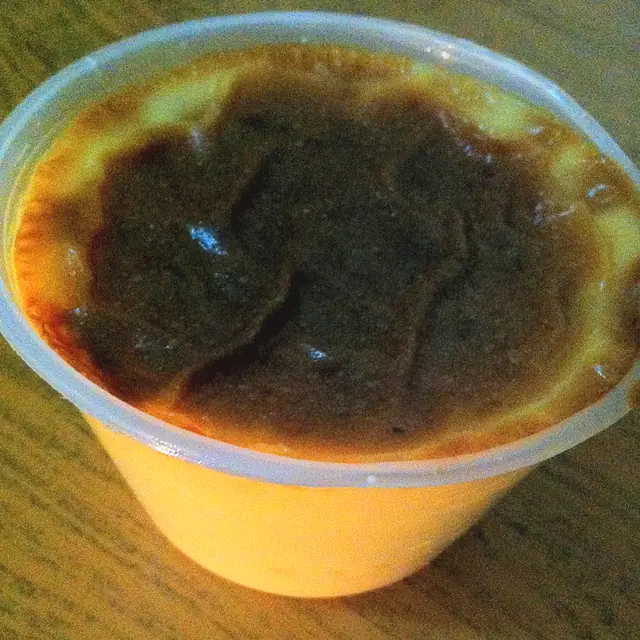
Jericalla is a Guadalajara invention attributed to a 17th-century Spanish nun at the Hospicio Cabanas orphanage, who developed it as a nutritious dessert for malnourished children. The name derives from the Spanish region of Jerica in Castellon. The dish is custard set in individual ramekins, then torched on top for the caramelised crust. Mercado Corona and Mercado San Juan de Dios stalls have served the canonical version for decades; modern Tapatio bakeries and dessert counters also produce it daily.
Book a food experience
Tours, tastings and classes from the cities on this page, bookable on GetYourGuide.
Common allergens: Eggs, Dairy
Make it at home
Ingredients
- 1 L whole milk
- 1 cinnamon stick
- 1 vanilla pod, split (or 2 tsp vanilla extract)
- 200 g caster sugar, plus 2 tbsp for topping
- 6 large egg yolks
- 2 whole eggs
- Pinch of salt
Method
- Preheat oven to 160 C (320 F).
- Heat the milk with the cinnamon stick and vanilla pod over low heat until just simmering. Remove from heat and let infuse 10 minutes.
- In a bowl, whisk the egg yolks, whole eggs, sugar and salt until pale.
- Slowly pour the warm milk into the eggs, whisking constantly to temper.
- Strain the mixture into a jug to remove cinnamon and vanilla seeds.
- Divide among 6 ramekins, place in a bain-marie and bake 45 minutes until just set.
- Cool, then chill for at least an hour.
- Sprinkle with caster sugar and torch the top until caramelised; serve immediately.
Tip from the editors. The caramelised top is non-negotiable. A kitchen torch is the easiest tool; under a hot grill works but watch closely.
Where to eat jericalla
Jericalla in Guadalajara
Jericallas Mercado Corona ★ 4.0
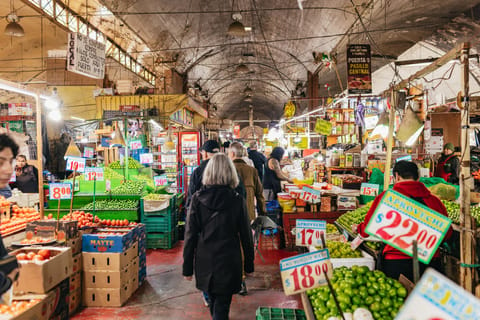
Jericallas Mercado Corona in Guadalajara is the Avenida Hidalgo market stalls for jericalla, the canonical Tapatio caramel-custard dessert at 25 to 50 pesos.
TryJericalla
La Chata ★ 4.5
La Chata in Guadalajara is the Centro Historico fonda on Avenida Corona since 1942, Jalisco home cooking from pozole to mole on a daily-changing menu.
SignaturePollo en mole, Carne en su jugo, Pozole rojo
Cafe Madrid ★ 4.0
Cafe Madrid in Guadalajara is the Avenida Juarez breakfast diner since 1955, a Centro favourite for huevos divorciados and chilaquiles under 150 pesos.
TryHuevos divorciados
More cities are in research. Want jericalla covered somewhere specific? Tell us where you want to eat.