
Cologne
Guided tour · 2 hours
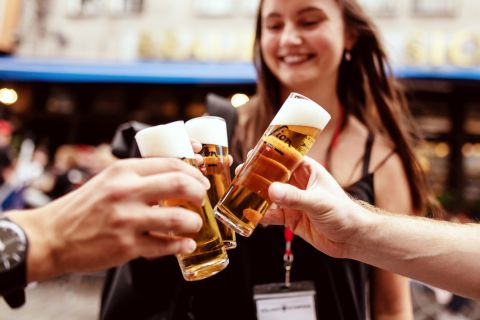
Cologne: Brewery Tour with 3 Kölsch Beer Tastings
Experience Cologne's famous brewing culture and old town on this popular brewery tour. Immerse yourself in the exciting, humorous, and bizarre...
from€28Check dates
Eisbein is the Berlin pork-knuckle classic: a cured-and-boiled hind leg served with sauerkraut, pease pudding and boiled potatoes. The dish defines the city's heavy-winter tavern grammar.
Where to eat it: 3 restaurants across 1 city.
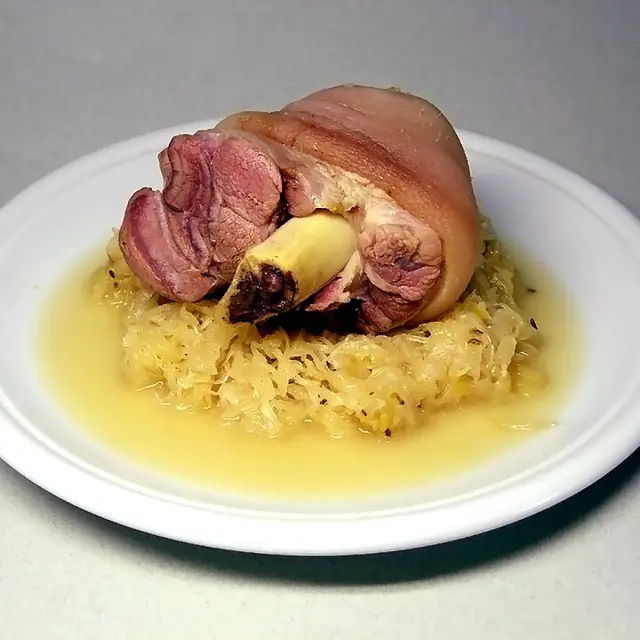
Eisbein has been on Berlin tavern menus since the 17th century, when the city's pork-curing economy on the Spreewald edge supplied salt-cured hind legs to working-class kneipen. The boiled (not roasted) preparation is the Berlin specific, distinct from the southern German Schweinshaxe (roasted). The dish was the Prussian soldier's evening meal in barracks across the 18th and 19th centuries. In the GDR, Eisbein was the Sunday family dish at HO-Gaststaetten. Today it survives at traditional taverns like Zur Letzten Instanz (since 1621), Max und Moritz and Henne. Pease pudding (Erbsenpueree) and Sauerkraut are the non-negotiable sides.
Tours, tastings and classes from the cities on this page, bookable on GetYourGuide.
Guided tour · 2 hours
Experience Cologne's famous brewing culture and old town on this popular brewery tour. Immerse yourself in the exciting, humorous, and bizarre...
Guided tour · 1h 30m
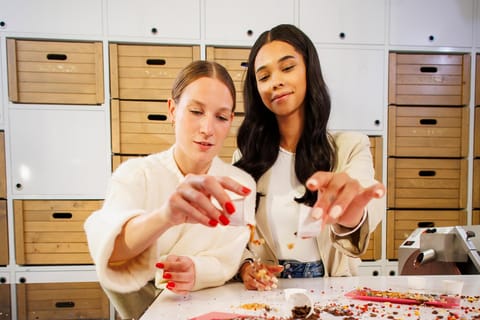
Take a guided tour of the Chocoversum in Hamburg and discover how sweet chocolate is made. Taste the chocolate at various stages of production and...
Guided tour · 2.5 hours
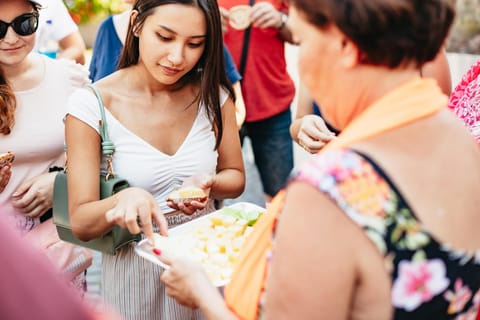
Enjoy a guided tour of the Viktualienmarkt in Munich and taste delicious regional foods as well as international delicacies. Enjoy the bustling life...
Guided tour · 1h 30m
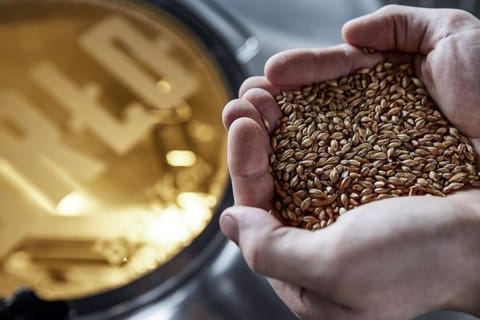
Visit a craft brewery in Berlin and embark on a guided tour of the unique facility housed in recycled containers. Discover how beer is made and try a...
Tip from the editors. Soak the knuckle overnight to remove excess salt; cured pork knuckle is otherwise inedibly salty.
Max und Moritz on Berlin's Oranienstrasse has cooked Prussian tavern classics since 1902 in the original ceramic-tiled dining room; the Klopse and rouladen.
OrderThe Koenigsberger Klopse with caper-cream sauce; the beef rouladen with red cabbage in winter.
TipClosed Monday lunch. The original 1902 dining room is the seating to book; phone two weeks out.
Henne Alt-Berliner Wirtshaus in Kreuzberg runs its single dish, a half-roasted milk-fed chicken with kraut salad and rye bread, through the evening.
TryHalf a milk-fed roast chicken with kraut salad
Lutter und Wegner on Berlin's Gendarmenmarkt has cooked traditional Wiener Schnitzel since 1811; the wood-panelled room runs Sunday classics and the long.
OrderThe Wiener Schnitzel with cucumber-potato salad; the Berlin sauerbraten in winter.
TipSunday lunch from 12:00 is the easier seating than weekday dinner. Book two weeks ahead by phone.
More cities are in research. Want eisbein covered somewhere specific? Tell us where you want to eat.