


Rome
2.5 - 3 hours
Rome: Pasta & Tiramisu Class with Fine Wine by the Vatican
Discover the secrets to making authentic homemade pasta and tiramisu from a local chef. The cooking class takes place in a locally loved restaurant,...
from€35Check dates
Cassata siciliana is a cake of sweetened sheep's-milk ricotta, chocolate drops and sponge, covered in marzipan and candied fruit; it began as a sweet of Sicilian nuns reserved for Easter.
Where to eat it: 3 restaurants across 1 city.
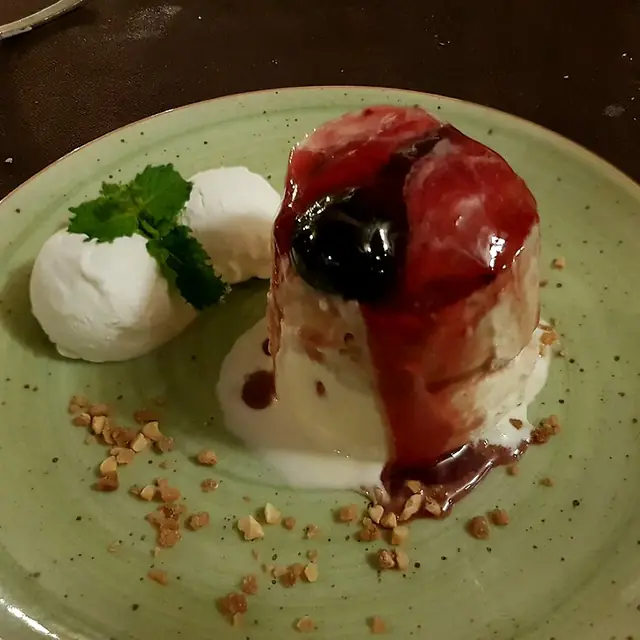
A widespread but unproven opinion traces cassata to Arab rule in Sicily; the word is first documented in the 14th century. The oldest form is a pastry shell filled with sweetened ricotta and baked, the cassata al forno still made around Palermo. Marzipan, said to be an invention of the nuns of the Martorana convent, later replaced the shell, and the Spanish brought chocolate. The glaze and candied fruit decoration was introduced in 1873 by the Palermo pastry chef Salvatore Gulì, according to Italian Wikipedia.
Tours, tastings and classes from the cities on this page, bookable on GetYourGuide.
2.5 - 3 hours
Discover the secrets to making authentic homemade pasta and tiramisu from a local chef. The cooking class takes place in a locally loved restaurant,...
3 hours
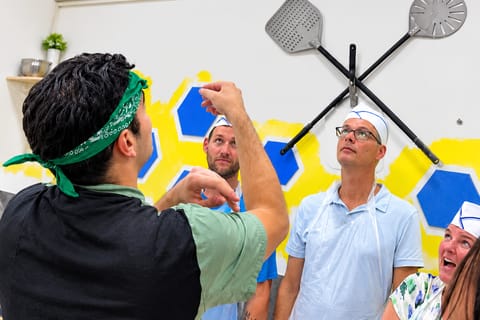
Roll up your sleeves and discover the flavors of Naples by making authentic pizza and creamy tiramisù with a passionate local chef. Cook, laugh, eat,...
Day trip · 12 hours
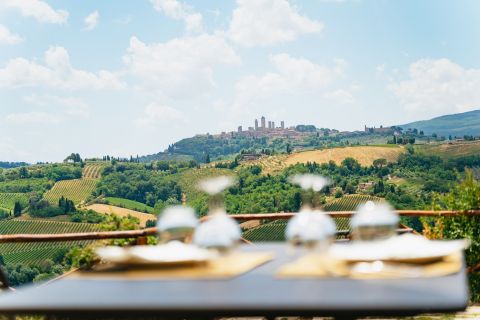
Discover the Chianti vineyards and medieval architecture of Siena, San Gimignano, and Pisa on a full-day tour. Depart from Florence and explore...
Common allergens: Gluten, Dairy, Eggs, Nuts
Tip from the editors. Sheep's-milk ricotta is structurally different from cow; if you can only find cow ricotta, drain it overnight in a cheesecloth-lined sieve to lose extra liquid.
Pasticceria Costa, at Via Gabriele D'Annunzio 15, sells Cassata Siciliana Barocca, buccellato and frutta martorana, with another shop at Via Maqueda 174.
Worth the queueCassata Siciliana Barocca
TipHome delivery in Palermo is free for orders over €40, and standard shipping is free over €100.
Antico Caffe Spinnato on Via Principe di Belmonte in Palermo is a meeting place to spend time in company, in a relaxing and convivial atmosphere.
OrderCannoli, cassate or almond sweets from the Sicilian pasticceria.
TipA second Spinnato shop on Piazza Castelnuovo serves its specialities from breakfast to aperitif.
Buatta Cucina Popolana cooks authentic home recipes in Palermo and Turin, on ancient recipes and traditional methods, at Via Vittorio Emanuele 176.
TipThe restaurant also takes events: an informal buffet or a dinner served at the table, with customised menus of Sicilian tradition.
More cities are in research. Want cassata siciliana covered somewhere specific? Tell us where you want to eat.