

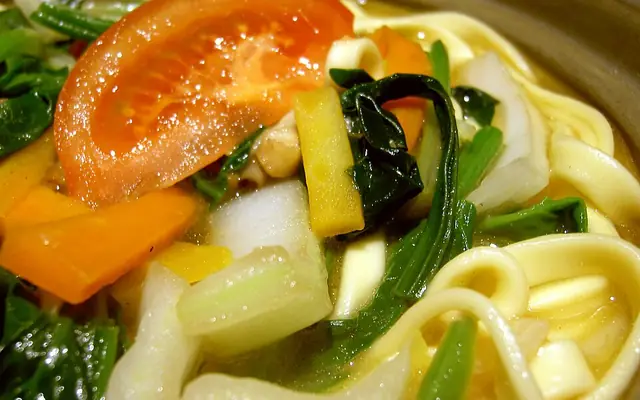
Tibetan cuisine is the food of the Tibetan Plateau and the Himalayan diaspora, shaped by the constraints of high altitude (most of Tibet sits above 4000 meters), short growing seasons, and the centrality of barley, dairy, and yak. The defining grammar is calorie-dense, warming, and built around a few intensely worked staples rather than wide ingredient variety. The fragility of fresh vegetables at altitude means much of the traditional diet relies on dried, preserved, or seasonally available produce.
The two staples are tsampa (roasted barley flour, the universal Tibetan grain) and yak butter (the everyday dairy fat). Tsampa is mixed with butter tea or water into a paste, eaten as the morning meal and often as the only solid meal of a working day for nomadic herders. Butter tea (po cha) is brewed from black tea bricks, salt, and yak butter, churned together until creamy; the salt-and-butter combination provides electrolytes and calories that water-only tea would not at altitude. A working Tibetan herder may drink 30 to 50 cups of butter tea per day.
Yak (and the related crossbreed dzo) provides meat, milk, butter, cheese, and the everyday textile fiber. Yak meat is dried in long strips (sha kampo) and eaten as a snack or rehydrated into stews. Other staples include chura (dried cheese, especially hard chura kampo), thukpa (noodle soup), momos (dumplings, possibly the most globally famous Tibetan dish), and chang (a barley beer). The cuisine is not vast in dish count but is unusually well-adapted to its environment, and the codified portion of the cuisine includes the monastic Buddhist culinary tradition that historically governed temple kitchens.
Book a food experience
Tours, tastings and classes from the cities on this page, bookable on GetYourGuide.

Top picks
The best-scored Tibetan place in each of 7 cities.
Tibet Momo ★ 4.6
Tibet Momo at Aachener Strasse 11 in Cologne's Belgisches Viertel has 12 seats, no signage and no reservations; handmade Tibetan dumplings at a hidden.
Why locals goTwelve seats, no outdoor signage, no social media presence; easy to walk past entirely.
Lhasa Fast Food ★ 4.5
Lhasa Fast Food is a Tibetan restaurant at 76-03 37th Ave, Queens, NY 11372, in Jackson Heights.
Bodja ★ 4.2
Bodja Teahouse, at Rue de Stassart 104, serves Tibetan momos, veggie specialties from around the world and tea or coffee, with everything made in house.
OrderTibetan momos, the dumplings, or a cup of bodja, the Tibetan salted butter tea.
Why locals goA Tibetan teahouse where the team makes everything itself, named after the Tibetan word for salted butter tea.
TipIt serves lunch and dinner Monday to Saturday and dinner only on Sunday, from 17:00 to 23:00.
Yak and Yeti Himalayan Restaurant ★ 4.1
Yak and Yeti runs Nepali and Tibetan cooking in Anchorage's midtown Northern Lights corridor, with beef momos, tandoori chicken and Himalayan curries.
SignatureBeef momos, Tandoori chicken
Le Sherpa ★ 4.0
Le Sherpa on Rue du Taur near Saint-Sernin is the Himalayan dining room with Nepalese and Tibetan tasting menus, momos and dal bhat in a tight small space.
BookWalk-in ahead
TipWalk-ins usually OK weeknights; book ahead Friday and Saturday. The momos and dal bhat are the canonical orders.
Tee Dee ★ 3.9
Tee Dee has served Tibetan momos, thukpa and breakfast shabalay in Delhi's Majnu ka Tilla colony since 1991, a fixture for the neighborhood.
OrderA plate of pork momos with a bowl of thukpa.
TipIt opens at 09:00 for breakfast bowls of thukpa; later in the day the menu runs to shabaley, tingmo, double fried pork and devil momos.
Bites of Tibet ★ 3.9
Bites of Tibet is an unassuming cafe on Subhash Marg in C-Scheme, Jaipur, known for Tibetan-style ramen bowls with vegetables or chicken, open 11:00 to 23:00.
OrderThe Tibetan-style ramen bowl, ordered with vegetables or with chicken.
TipTravel + Leisure Asia puts a meal at about ₹800 for two; the cafe is in the Suryodaya Apartment lane off Subhash Marg.
Find a place
Tibet Momo ★ 4.6
Tibet Momo at Aachener Strasse 11 in Cologne's Belgisches Viertel has 12 seats, no signage and no reservations; handmade Tibetan dumplings at a hidden.
Why locals goTwelve seats, no outdoor signage, no social media presence; easy to walk past entirely.
Lhasa Fast Food ★ 4.5
Lhasa Fast Food is a Tibetan restaurant at 76-03 37th Ave, Queens, NY 11372, in Jackson Heights.
Bodja ★ 4.2
Bodja Teahouse, at Rue de Stassart 104, serves Tibetan momos, veggie specialties from around the world and tea or coffee, with everything made in house.
OrderTibetan momos, the dumplings, or a cup of bodja, the Tibetan salted butter tea.
Why locals goA Tibetan teahouse where the team makes everything itself, named after the Tibetan word for salted butter tea.
TipIt serves lunch and dinner Monday to Saturday and dinner only on Sunday, from 17:00 to 23:00.
Yak and Yeti Himalayan Restaurant ★ 4.1
Yak and Yeti runs Nepali and Tibetan cooking in Anchorage's midtown Northern Lights corridor, with beef momos, tandoori chicken and Himalayan curries.
SignatureBeef momos, Tandoori chicken
Le Sherpa ★ 4.0
Le Sherpa on Rue du Taur near Saint-Sernin is the Himalayan dining room with Nepalese and Tibetan tasting menus, momos and dal bhat in a tight small space.
BookWalk-in ahead
TipWalk-ins usually OK weeknights; book ahead Friday and Saturday. The momos and dal bhat are the canonical orders.
Tee Dee ★ 3.9
Tee Dee has served Tibetan momos, thukpa and breakfast shabalay in Delhi's Majnu ka Tilla colony since 1991, a fixture for the neighborhood.
OrderA plate of pork momos with a bowl of thukpa.
TipIt opens at 09:00 for breakfast bowls of thukpa; later in the day the menu runs to shabaley, tingmo, double fried pork and devil momos.
Bites of Tibet ★ 3.9
Bites of Tibet is an unassuming cafe on Subhash Marg in C-Scheme, Jaipur, known for Tibetan-style ramen bowls with vegetables or chicken, open 11:00 to 23:00.
OrderThe Tibetan-style ramen bowl, ordered with vegetables or with chicken.
TipTravel + Leisure Asia puts a meal at about ₹800 for two; the cafe is in the Suryodaya Apartment lane off Subhash Marg.
Tibetan by city







Regional variations
Central Tibet (Lhasa, U-Tsang)
The most refined regional tradition, with the deepest restaurant scene and a strong vegetarian Buddhist monastic kitchen. Momos in the refined Lhasa style (smaller, more delicate), thukpa, and the central Tibetan butter tea variant.
Amdo (eastern Tibet, now in Qinghai)
Strong noodle tradition. Hand-pulled noodles in the Lanzhou-influenced style; closer to Chinese northwestern cooking. The yak yogurt and lamb dishes of nomadic herders.
Kham (southeastern Tibet)
Spicier and more meat-heavy. Stronger Sichuan-Han Chinese influence in the modern era. The Kham regional cuisine adds chile to dishes that central Tibetan cuisine keeps mild.
Tibetan diaspora (Nepal, India, North America)
Dharamshala (the seat of the Tibetan government-in-exile) and Nepal's Boudha district hold the most concentrated diaspora cuisine. The diaspora introduced Indian and Nepali influences (more chile, more curry-style stews); momos in diaspora are often bigger and spicier than the Tibetan originals.
Defining Tibetan dishes
- Momo
- Steamed or fried dumplings filled with yak meat, beef, or vegetable (potato-cabbage being the common vegetarian). Folded into pleated half-moons or knot shapes. Served with a tomato-chile-Sichuan-peppercorn dipping sauce (sepen). The most globally known Tibetan dish.
- Thukpa
- Noodle soup with vegetables, meat (yak, beef, or chicken), and hand-pulled noodles. The everyday Tibetan main meal. Then thuk is the Bhutanese variant; thenthuk is hand-torn noodle pieces in a broth.
- Tsampa
- Roasted barley flour, the Tibetan staple grain. Mixed with butter tea, water, or yogurt into a paste and eaten with the hands. The everyday breakfast and trail food.
- Butter Tea (Po Cha)
- Brewed black tea from compressed tea bricks, churned with yak butter and salt. Drunk throughout the day; provides calories, salt, and warmth at altitude. An acquired taste for visitors.
- Sha Phaley
- Pan-fried bread filled with seasoned beef, onion, and cabbage. The Tibetan answer to a meat pie. Common at festivals and as a casual hand-held meal.
- Chura Kampo
- Hard-dried yak cheese, eaten as a chew. Stored for months and rehydrated by holding in the mouth; gradually softens over an hour.
- Chang
- Barley (or millet, or rice) beer. Lightly fermented, slightly sour, served warm or cold. The everyday Tibetan alcoholic drink; not legally exported, found only in Tibet and the diaspora communities.
- Tingmo
- Steamed flower-shaped bread. Served alongside spicy curries or stews; the soft texture absorbs sauce. The Tibetan rice-substitute on noodle-and-bread days.
- Shabaley
- Deep-fried meat-filled bread, similar to sha phaley but with thicker dough and more frying. A festival food.
- Gyuma
- Tibetan blood sausage made from yak or beef blood, ground meat, rice, and onion, stuffed into intestine and boiled or steamed.
How to order
At a Tibetan restaurant in the diaspora (Dharamshala, Boudha in Kathmandu, New York's Jackson Heights, Toronto's Parkdale), the standard order is momos to start (10 per person), one thukpa or thenthuk per person, and shared side dishes (sha phaley, tingmo with a curry). Specify steamed (more traditional) or fried momos. The sepen dipping sauce is intense; sample first. Butter tea is an acquired taste; sweet milk tea is the diaspora alternative. Tipping 10-15% is standard at diaspora restaurants; in Tibet itself, tipping is uncommon. Eat with the hands and bread when bread is the staple; chopsticks or fork-and-spoon when noodles. The rookie mistakes are ordering only momos (the cuisine is wider than just dumplings), refusing butter tea on principle (it is an experience to try at least once), and treating Tibetan as a Nepali or Indian cuisine subset (it is its own tradition with distinct grammar).
What to drink with it
Butter tea is the default Tibetan pair; the salt-and-butter combination handles the heavy meat-and-grain cooking. Sweet milk tea (chai) is the diaspora alternative. Chang (barley beer) for an alcoholic option; warm in winter, cold in summer. Outside Tibet, the diaspora restaurants often pair with Indian or Nepali beer (Tuborg, Gorkha, Everest). Plain hot water with lemon is common at upscale Tibetan restaurants. The cuisine does not have a wine pairing tradition; if attempted, off-dry whites and light reds handle the milder meat dishes.
Where to eat it
Lhasa holds the deepest in-country Tibetan food scene, with the Barkhor area and the Jokhang vicinity hosting the best traditional restaurants. Outside Tibet, Dharamshala (McLeodganj) in India is the global Tibetan capital; the restaurants of the Tibetan government-in-exile area have been the modern reference standard for 60 years. Kathmandu's Boudha district (around the Boudhanath stupa) holds the densest Tibetan food cluster outside India. New York's Jackson Heights, Queens, has the largest Tibetan diaspora in the US. Toronto's Parkdale neighborhood has the largest in Canada. The Bay Area, Minneapolis, and Zurich also hold strong Tibetan-diaspora food scenes.
A short history
Tibetan cuisine took shape across centuries of high-altitude agricultural adaptation, with barley domesticated on the Tibetan Plateau as early as 3500 BCE. The arrival of Buddhism from India (8th century) introduced vegetarian monastic traditions, and the 7th-century Tang dynasty trade with China introduced tea, which became central to the cuisine. The 1959 Tibetan diaspora following Chinese annexation dispersed the cuisine across India, Nepal, North America, and Europe; the modern Tibetan restaurant tradition often originates in Dharamshala rather than Lhasa.
Frequently asked
Why is butter tea served with salt instead of sugar?
At high altitude, dehydration and salt depletion are real concerns. Butter tea evolved as a calorically dense, hydrating, and electrolyte-replenishing drink for Tibetan herders and travelers. Sweet tea would not address the salt depletion. Outside Tibet, sweet milk tea is more common because the altitude concern does not apply.
Are Tibetan momos the same as Chinese dumplings?
They share the dumpling form but differ in filling, fold, and dipping sauce. Tibetan momos use yak or beef with onion, cumin, and ginger; they are pleated into a knot or half-moon. Chinese jiaozi or baozi use different fillings, folds, and accompanying sauces. Nepali momos (the Newari version) are influenced by Tibetan momos but use chicken or buffalo and a more chile-heavy sauce.
Is Tibetan food spicy?
Generally no. Central Tibetan cuisine uses minimal chile; the warming spices are cumin, ginger, and Sichuan peppercorn in modest quantities. Kham-region Tibetan cuisine (closer to Sichuan) uses more chile. Diaspora Tibetan cuisine, influenced by Indian and Nepali cooking, often increases chile to match local taste.
More cities are in research. Want Tibetan covered somewhere specific? Tell us where you want to eat.