
The plates that define Shenzhen: what they are, where they came from, and where to eat the canonical version.
Signature dishes
-
Shajing oysters (沙井蚝) ★ 4.8
Shajing oysters from Bao'an District are fat and creamy white with a tender, smooth texture; they are eaten raw, barbecued or steamed, or fried into oyster pancakes.
Oyster farming in Shajing, Bao'an District, dates back to the Song Dynasty, and Shajing calls itself the earliest artificial oyster farming area in the world, a 'millennium oyster township'. Legend says that about 200 years ago a wooden boat loaded with tiles sank near Shajing and locals soon found large fat oysters growing on the tiles; since then they have raised oysters in the sea, moving them to deeper water to grow fatter before harvest. The oystermen's practices are an intangible cultural heritage, and the Golden Oyster Festival has been held in Shajing every December since 2004.
Watch out for: Shellfish (oysters)
-
Guangming pigeon (光明乳鸽) ★ 4.6
Guangming pigeon is young pigeon boiled, marinated and deep-fried until the skin is crispy and the meat juicy; Shenzhen Daily calls it the city's most popular signature dish.
Guangming Guest House (光明招待所), in the northwest of Shenzhen, has served the dish since 1983, and it is counted among the city's three major culinary attractions. Backed by Asia's largest pigeon farm, the kitchen uses only pigeons with a growth period of 25 to 28 days. The secret of the dish is the marinade, passed down for nearly 40 years and made from more than 20 herbs simmered together, each in a strict ratio adjusted through the seasons to keep the taste the same.
-
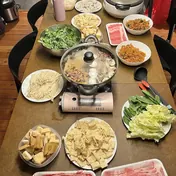
Coconut chicken hot pot (椰子鸡) ★ 4.6
Free-range chicken slowly cooked in fresh coconut water, often as a hot pot: eat the chicken with a dip of soy sauce, lime juice and sand ginger, then cook vegetables and seafood in the broth.
Coconut chicken was born in Shenzhen but has close ties to Hainan, and there are two stories of its origin. In one, a Shenzhen restaurant owner, back from playing ball in Hainan, had the idea of stewing chopped Wenchang chicken in green coconut water. In the other, a Southeast Asian overseas Chinese who came to Shenzhen in the 1990s opened a restaurant at the Wenjindu port in Luohu and brought in green coconuts and Wenchang chicken from his ancestral Hainan. The city now has over 1,000 coconut chicken restaurants.
Watch out for: Soy (dipping sauce)
Book food experiences in Shenzhen
Check dates and prices
Powered by GetYourGuide-
Pork stomach soup with chicken (猪肚包鸡) ★ 4.3
A Hakka hot pot of a whole chicken stuffed inside a pig's stomach, stewed, sliced and served in a mildly spicy, thick, peppery soup in which vegetables are cooked afterwards.
Shenzhen Daily describes this Hakka dish as originating from Shenzhen, and the city's expat guide calls it a Hakka dish from around the Shenzhen region. Before Shenzhen became a special economic zone in 1980 the area was mainly Hakka and Cantonese, and Hakka food leans on pork, tofu, soy sauce and rice, salty and fragrant without being spicy. The Hakka were farmers used to long days in the fields, so their cooking had to be hearty and heavy enough to fuel a hard day's work.
-
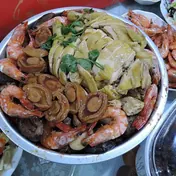
Poon choi (盆菜), the basin feast ★ 4.5
Poon choi is a festival meal of many layers of meat, seafood and vegetables cooked and served in one huge basin; the biggest feed dozens of people and cost thousands of yuan.
By tradition poon choi dates from the late Song dynasty, when the young emperor fled south from the Mongols and locals cooked their best food for him and his army, serving it in large wooden washbasins. Xiasha Village in Futian traces its banquet back about 800 years, to Southern Song troops who were fed homemade food from a large pot by villagers near Shenzhen Bay. The Xiasha feast was listed as provincial intangible heritage in 2009, and the Shenzhen Museum shows a diorama of a poon choi banquet.
-
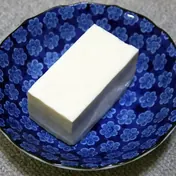
Hakka stuffed tofu (酿豆腐) ★ 4.4
One of the best known Hakka dishes: square pieces of tofu stuffed with pork, mushrooms or shrimp, then braised in a rich sauce, served at Hakka restaurants across the city.
Where to try it: East Mountain Tea Cabin, Xingning Ke Jia Cai Guan (Meicun Road)
The dish is said to come from the Hakka migration from northern China to the south: finding no flour to make dumplings for their festivals, the Hakka used tofu instead, and their word nyong, the act of stuffing, gave the dish its name. Shenzhen's sizeable Hakka population brought it to the city, where East Mountain Tea Cabin, cooking Hakka food in Bao'an since 1995, braises stuffed tofu, and Xingning Ke Jia Cai Guan on Meicun Road ships its artisan tofu from Xingning for a pork-stuffed version.
Watch out for: Soy
-
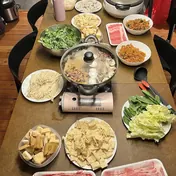
Chaoshan beef hot pot (潮汕牛肉火锅) ★ 4.4
Thin slices of different beef cuts are dipped briefly in a clear broth, often sweetened with corn and carrots, and eaten with shacha sauce: Chaoshan's answer to spicy Sichuan hot pot.
Chaoshan beef hot pot comes from the Chaoshan region of Guangdong and stands apart from other Chinese hot pots for its clear broth, usually made from beef bones and sometimes chicken. It is served with roughly seven cuts of beef and dips such as shacha sauce, soy sauce, garlic and chilli. Teochew migrants were among those who came to Shenzhen from all around Guangdong after the special economic zone opened in 1980, and Chaoshan cooking, known for seafood, now runs from banquet rooms to budget snack shops in the urban villages.
Watch out for: Soy
-
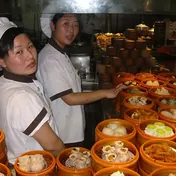
Cantonese dim sum ★ 4.5
Small Cantonese plates, mostly steamed and served in bamboo steamers with tea, from shaomai and char siu bao to chicken feet, spring rolls and pan-fried dumplings.
Where to try it: Zhuo Yue Xuan, The Gar, Yan Ting, Five Sen5es
Dim sum grew out of yum cha, small meals with tea that travellers took in Guangzhou's teahouses from the tenth century, and the custom of 'one bowl with two pieces', two small items to go with the tea. Cantonese is the main cuisine of Shenzhen, and its Cantonese dining rooms serve dim sum at lunch: Zhuo Yue Xuan at the Four Seasons in Futian has a dim sum lunch, The Gar on the Sand River golf course makes mantis shrimp dumplings, and Yan Ting at the St. Regis in Bao'an makes a giant har gow filled with shrimps and shrimp roe.
Watch out for: Wheat (gluten), Shellfish (shrimp fillings), Soy
-
Chang fen rice rolls (肠粉) ★ 4.4
Chang fen is a thin sheet of steamed rice batter rolled around shrimp, beef, pork or egg and dressed with seasoned soy sauce, eaten at breakfast or as dim sum.
Rice noodle rolls are believed to come from Guangdong, where they became part of breakfast culture and the dim sum table; there is no official record of their history, and most cookbooks date the first ones to the 1930s. In Guangzhou the dish was called laai cheung, 'pulled intestines', because the roll is pulled by hand.
Watch out for: Soy, Shellfish (shrimp filling), Egg (egg filling)
Signature Dishes in Shenzhen, FAQ
What food is Shenzhen known for?
Shenzhen's signature dishes include Shajing oysters (沙井蚝), Guangming pigeon (光明乳鸽), Coconut chicken hot pot (椰子鸡), Pork stomach soup with chicken (猪肚包鸡), Poon choi (盆菜), the basin feast. See our signature dishes chapter for where to eat each.