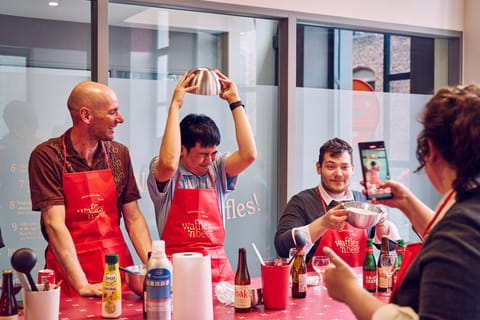

The plates that define Ghent: what they are, where they came from, and where to eat the canonical version.
Signature dishes
-
Waterzooi van Vis ★ 4.7
Waterzooi van vis is Ghent's oldest civic dish: white-broth fish stew with North Sea catch, leeks, carrots and potatoes simmered in a cream-enriched vegetable stock, served in deep bowls with crusty bread.
Where to try it: 't Klokhuys, Amadeus Gent 1, Pakhuis
Price: €18-26
Waterzooi dates to medieval Ghent when the Leie and Schelde rivers ran through the city and freshwater fish were the available protein. The name combines 'water' and 'zooien', a dialect verb for simmering. By the 15th century waterzooi was the dish of Ghent's guild feasts. The original recipe used freshwater fish; as rivers were diverted and city growth reduced the catch, cooks shifted to chicken (waterzooi van kip), but the fish version is the authentic Ghentian one. Every brasserie from the Graslei to the Patershol serves a version.
Watch out for: Fish, Dairy, Gluten
-
Stoverij met Frites ★ 4.6
Stoverij met frites is the canonical Ghent pub dish: beef slow-braised in Flemish dark beer with onion and bay leaf, darkened with a mustard-spread slice of bread on top, served over a cone of double-fried frites.
Where to try it: 't Klokhuys, Amadeus Gent 2, Pakhuis
Price: €16-24
Stoverij is the Ghent dialect name for the Flemish beef-and-beer braise known elsewhere as carbonade flamande. The dish uses dark Flemish ales and is distinguished from the Bruges and Antwerp versions by the use of Ghent mustard from Tierenteyn-Verlent in the bread crust on top. Every brown cafe in Ghent serves it; the version at 't Klokhuys uses Gruut amber for the braise. The dish is at its most authentic when eaten in the Patershol or the Vrijdagmarkt brasseries.
Watch out for: Gluten, Dairy, Mustard
-
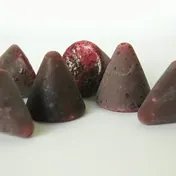
Cuberdon (Gentse Neuzen) ★ 4.5
The cuberdon is a pointed purple sugar-gum cone in violet-raspberry syrup, produced in East Flanders: firm on the outside, liquid at the core, and sold from competing stalls on the Groentenmarkt since the 19th century.
Where to try it: Cuberdon Stalls at Groentenmarkt, Bobonne Cuberdon, De Echte Gentse Neuzen
Price: €1-2 per piece
The cuberdon was developed by a Ghent apothecary in the early 1800s as a sugar-and-gum pastille. The violet flavour and pointed cone shape became the Ghent standard. The stalls near the Groentenmarkt are famously competitive; the two main vendors have a standing rivalry for the best recipe that Ghent locals follow closely. The sweet is often called 'Gentse neuzen' (Ghent noses) for the shape of the cone. Bobonne Cuberdon in the old town is the principal artisan producer.
Watch out for: None typically (check specific batch)
Book food experiences in Ghent
-
Tierenteyn Ghent Mustard ★ 4.6
Ghent mustard from Tierenteyn-Verlent is drawn fresh from a wooden barrel in the 1790 Groentenmarkt shop: sharper and more aromatic than any industrial version, used in stoverij and across Flemish kitchens.
Where to try it: Tierenteyn-Verlent Mustard Shop
Price: €3-8 per jar
Tierenteyn-Verlent has occupied the same shop on the Groentenmarkt since 1790, making Ghent mustard from Belgian mustard seeds ground on traditional stone wheels. The shop has survived revolutions, industrial food production and two world wars without changing the recipe. The mustard's distinctive character comes from the stone grinding, which keeps the seeds cooler than industrial rollers, preserving the volatile aromatics. Locals bring their own jars for refills; the shop sells mustard by weight from the barrel.
Watch out for: Mustard
-
Gruut Inferno (Herbal Beer) ★ 4.5
Gruut Inferno is Ghent's herbal amber ale brewed without hops using a medieval gruit recipe of bay laurel, sweet gale and juniper at the Gruut Stadsbrouwerij on Rembert Dodoensdreef.
Where to try it: Gruut Stadsbrouwerij, Het Waterhuis aan de Bierkant
Price: €3-5 per glass
Before hops became universal in northern European brewing around the 12th century, ale was bittered and flavoured with a mixture of herbs called gruit. The Ghent city authority held the exclusive right (gruitage) to supply gruit to local brewers, making it a significant civic monopoly. The modern Gruut Stadsbrouwerij, founded in 2009, revives this pre-hop tradition using historical herb combinations. Gruut Inferno is the brewery's strongest and most aromatic beer, with a bitter-herbal character unlike any hop-bittered ale.
Watch out for: Gluten
-
Vlaamse Asperges (Flemish White Asparagus) ★ 4.5
White asparagus from the Mechelen-Ghent growing belt, poached in salted water and served with browned butter, hard-boiled egg and parsley. The defining Flemish spring vegetable at Ghent brasseries from April to June.
Where to try it: Vrijmoed, Publiek, Bask
Price: €18-28 as a main
White asparagus cultivation in Flanders dates to the 16th century when the sandy soils of the Mechelen-Sint-Katelijne-Waver belt were found to produce the most tender and mildest spears in Belgium. The season lasts only six weeks; the arrival of white asparagus at Ghent's Groentenmarkt signals the start of spring in the city's kitchen calendar. Flemish white asparagus are earthed-up to prevent the sunlight that would make them turn green; the result is sweeter and less fibrous than the green variety. Every Patershol brasserie adds it to the menu in season.
Watch out for: Dairy (Hollandaise), Egg (Hollandaise)
-
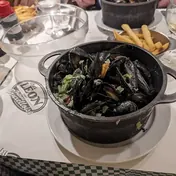
Mosselen met Friet (Mussels with Frites) ★ 4.5
Zeeland mussels steamed in white wine, shallots and parsley then served in the cooking pot alongside double-fried Flemish frites with mayonnaise: the canonical Belgian brasserie dish available in Ghent from late July.
Where to try it: Pakhuis, 't Klokhuys
Price: €20-28
Zeeland mussels arrive at Ghent's Groentenmarkt fishmongers from late July when the first harvest comes in from the Zealand beds in the Netherlands. Mosselen met friet is the Belgian national brasserie dish; in Ghent it is most closely associated with the Pakhuis brasserie at the Schuurkenstraat, which serves it as its headline seasonal dish. The combination of steamed mussels and double-fried frites dates to mid-20th century Belgian brasserie culture, when Zeeland mussels became reliably available to inland Flemish cities by rail.
Watch out for: Shellfish, Dairy, Gluten
-
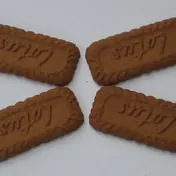
Belgian Speculoos ★ 4.4
Belgian speculoos is a spiced shortcrust biscuit with cinnamon, cardamom, cloves, ginger and dark brown sugar: crispier than the Dutch version, carved from wooden moulds at Ghent bakeries.
Where to try it: The Bakery by Joost Arijs, Himschoot Bakery
Price: €0.50-1.50 per biscuit
Speculoos is the spiced biscuit of the Low Countries, with roots in the 5th December Sinterklaas tradition when biscuits shaped as bishops, windmills and animals were given to children. The Belgian version, produced industrially by Lotus since 1932, is flatter and spicier than the Dutch speculaas. Artisan versions at Ghent's Patisserie Joost Arijs use hand-carved wooden moulds and a house spice blend with higher cinnamon and cardamom ratios. The biscuit is at its peak around Christmas but sold year-round.
Watch out for: Gluten, Dairy, Egg
-
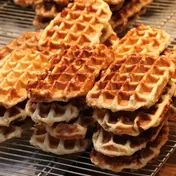
Liege Waffle (Gaufrette de Liege) ★ 4.3
The Liege waffle is a yeast-leavened brioche waffle studded with pearl sugar that caramelises on the iron: chewier and more filling than the Brussels waffle, sold at street stalls and bakeries across Ghent.
Where to try it: Waffles and Beer, Vrijdagmarkt
Price: €2-4
The Liege waffle dates to 18th-century Liege in the Walloon region of Belgium. The recipe uses a brioche dough enriched with eggs and butter, with coarse pearl sugar worked in before pressing on the heated iron. The pearl sugar creates caramelised pockets on the outside. In Ghent the Liege waffle coexists with the Brussels variant at market stalls; the Gentse Feesten street stalls serve both, but the Liege version is more popular for eating while walking.
Watch out for: Gluten, Dairy, Egg
-
Ghent Jenever ★ 4.6
Belgian jenever is the ancestor of gin: a malt-wine spirit redistilled with juniper and botanicals, either served young (jonge jenever) or aged (oude jenever) in ceramic bolleke glasses at specialist jenever bars.
Where to try it: 't Dreupelkot, Het Waterhuis aan de Bierkant
Price: €2-5 per glass
Jenever has been produced in Ghent since the 17th century when Flemish distillers developed malt wine-based spirits flavoured with juniper. The Belgian Jenever received Protected Geographical Indication status from the EU in 2008. Ghent's 't Dreupelkot on the Groentenmarkt is Belgium's most focused jenever bar: 100+ varieties, serving only in ceramic bolleke glasses, with no beer, wine or cocktails. The bar has served solely jenever since it opened in the 1980s.
Watch out for: Gluten (malt base)
-

Belgian Praline Chocolate ★ 4.5
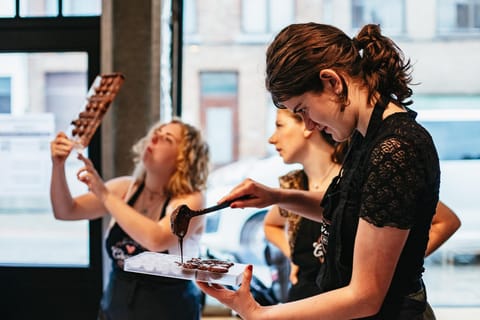
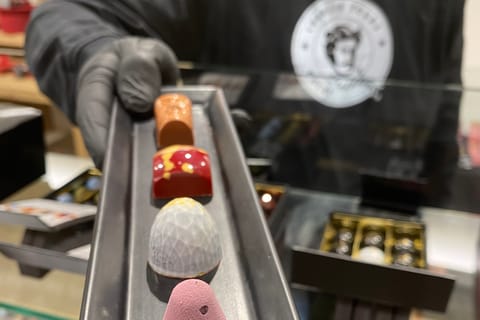
Belgian praline: a shell of dark or milk couverture chocolate encasing a filling of butter ganache, gianduja or praliné cream, made by Ghent chocolatiers including Joost Arijs patisserie on the Vlaanderenstraat.
Where to try it: The Bakery by Joost Arijs
Price: €1.50-4 per praline
The Belgian praline was invented in Brussels in 1912 by Jean Neuhaus, who created the first filled chocolate shell at his pharmacy. The technology spread to Flemish chocolatiers and became the defining Belgian confection. In Ghent, the most technically advanced praline work is at Patisserie Joost Arijs on Vlaanderenstraat, which uses Valrhona and Michel Cluizel single-origin couverture for shells and local cream for ganaches. The Ghent Chocolate and Praline tour offered by local operators visits both industrial and artisan producers.
Watch out for: Dairy, Egg, Tree nuts (common)
-
Belgian Trappist Beer Flight ★ 4.8
A side-by-side tasting of Belgium's five Trappist beers: Westmalle Dubbel and Tripel, Chimay Bleue, Rochefort 10, Orval, and Westvleteren 12.
Where to try it: Het Waterhuis aan de Bierkant, De Dulle Griet Beer Bar, Het Trappistenhuis, De Hopduvel Beer Shop, Dok Noord Beer Hall
Price: €20-50 per flight
The Authentic Trappist Product label was created in 1997 to protect beers brewed within the walls of Cistercian (Trappist) monasteries, under monastic supervision, with profits going to charity. Belgium has five remaining certified Trappist breweries: Westmalle, Chimay, Rochefort, Orval, and Westvleteren; Achel lost its Authentic Trappist Product designation in January 2021 after the last monks left the abbey. Het Waterhuis aan de Bierkant and De Dulle Griet in Ghent are the canonical Trappist tasting venues.
Watch out for: Gluten
Signature Dishes in Ghent, FAQ
What food is Ghent known for?
Ghent's signature dishes include Waterzooi van Vis, Stoverij met Frites, Cuberdon (Gentse Neuzen), Tierenteyn Ghent Mustard, Gruut Inferno (Herbal Beer). See our signature dishes chapter for where to eat each.