
Portland
Day trip · 6.5 hours
Willamette Valley Wine Tour
Visit Oregon’s famous Willamette Valley, one of the best wine regions in the world for Pinot Noir, and the best Pinot Gris in the country. Sip,...
from$145Check dates
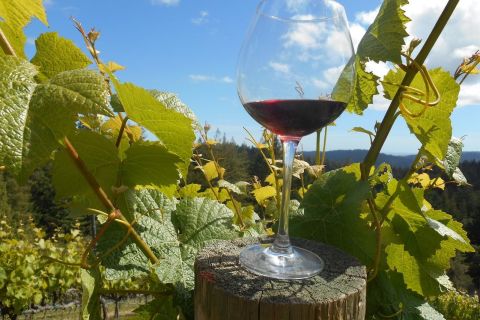
A three-glass tasting of Oregon Pinot Noir from the Willamette Valley, the cool-climate wine country 30 miles south of Portland that the world watches.
Where to eat it: 3 restaurants across 1 city.
The Willamette Valley's modern wine industry traces to 1965 when David Lett (Eyrie Vineyards) planted Pinot Noir in Dundee Hills. By 1979, Lett's South Block won fourth place at the Gault-Millau French Olympics in Paris, tying with Joseph Drouhin's Chambolle-Musigny; Drouhin bought land in Oregon two years later. The Willamette Valley AVA was granted in 1983 and now contains seven sub-AVAs. Portland wine bars (OK Omens, Ava Gene's, Olympia Provisions) all run heavy Willamette Pinot programmes by the glass. Bring a designated driver if you head south on 99W; the cellars are 30 to 45 minutes from downtown.
Tours, tastings and classes that match this page, bookable on GetYourGuide.
Day trip · 6.5 hours
Visit Oregon’s famous Willamette Valley, one of the best wine regions in the world for Pinot Noir, and the best Pinot Gris in the country. Sip,...
Day trip · 3 hours
Enjoy a half-day wine tasting tour and vineyard walk in beautiful Carmel Valley. Take in the scenery and taste some great local wines including...

Guided tour · 2 hours
Choose a 2-hour express or 3-hour full Boston food tour. Taste clam chowder, arancini, brick oven pizza, cannoli, and more while exploring the North...
Guided tour · 2 hours
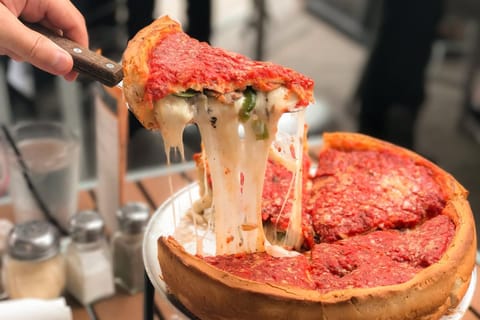
Taste some of Chicago's most iconic foods while walking through one of the Prohibition Era’s most fashionable and notorious gangster-ridden...
Common allergens: Sulphites
Tip from the editors. The temperature is the single most important variable; cellar temperature (14 degrees Celsius), not fridge temperature. Use small Burgundy tulip glasses, not big balloon glasses, for the flight format; the smaller bowl preserves aromatics across an hour-long tasting.
The naturally focused wine room next door to the former Castagna space on SE Hawthorne in Portland, chef Justin Woodward's food, Willamette growers.
PourWillamette Valley Pinot Noir by the glass
WineNatural wine from Oregon and the Old World
FoodPacific Northwest small plates
TipThe bar takes walk-ins; the dining room reserves on Resy. By-the-glass list rotates weekly.
The bar at Ava Gene's on SE Division in Portland, focused on Italian regional pours and Willamette Valley wines, with full kitchen access for walk-ins.
PourEtna Rosso by the glass
WineItalian growers and Willamette Valley
FoodItalian antipasti and pasta
TipOrder the antipasti as a snack with two glasses of wine; the kitchen will plate a smaller portion.
The Olympia Provisions bar in SE Portland, with European wines by the glass paired to house-cured charcuterie boards and choucroute royale. Family-friendly.
PourLoire-Valley Chenin Blanc by the glass
WineEuropean wines and Oregon Pinot
FoodHouse-cured charcuterie and rustic plates
TipWalk-in seating at the bar. The charcuterie board with two glasses is the editorial pick.
More cities are in research. Want willamette valley pinot noir flight covered somewhere specific? Tell us where you want to eat.